
From Living Rooms to Smartphones: How Classic Card Games Connect Generations
Bridging tradition and technology through timeless card play
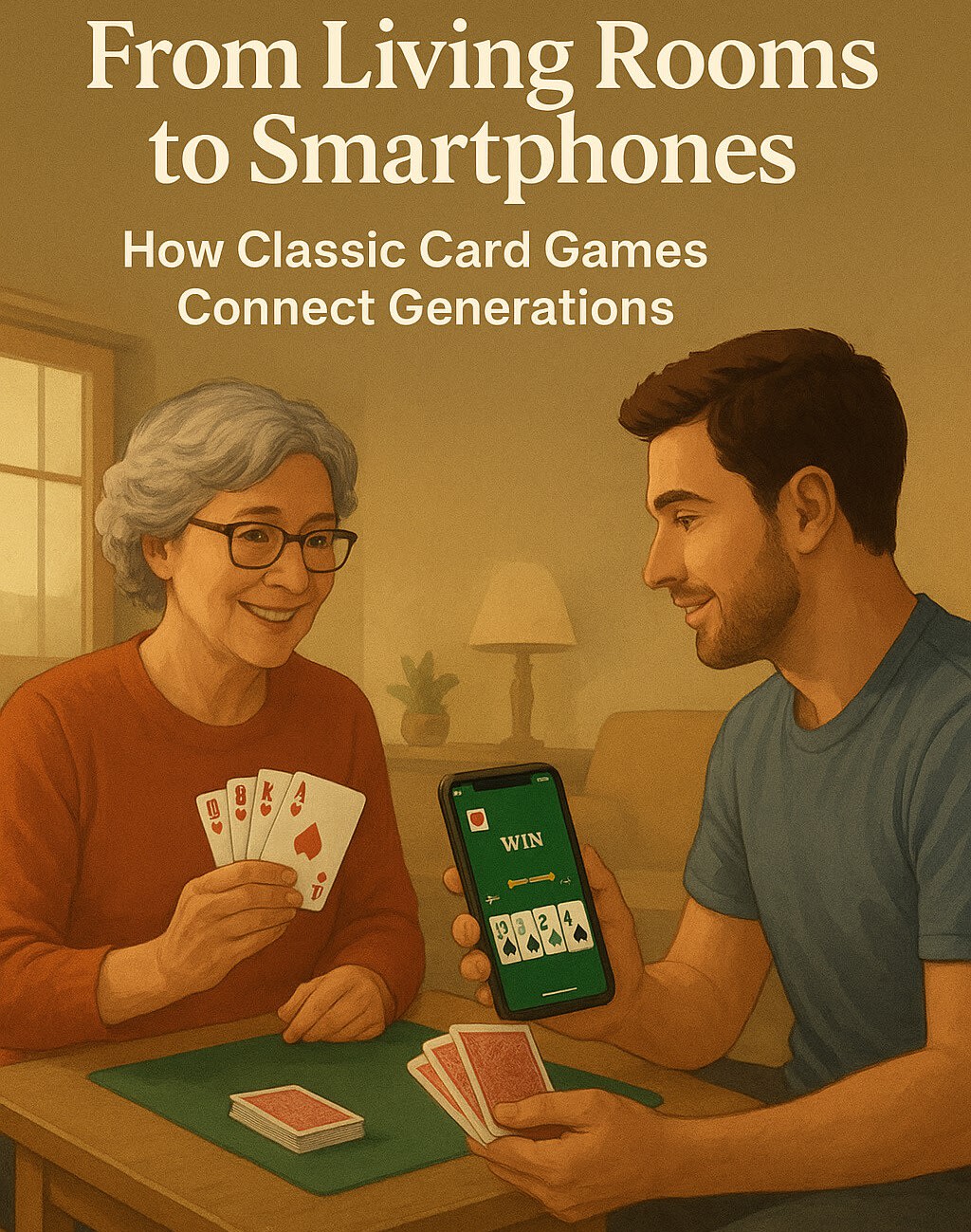
Card games have always held a special place in family traditions and social gatherings. Whether spread across a kitchen table after dinner or played on long summer evenings with friends, the simple act of shuffling cards has sparked laughter, rivalry, and connection for centuries. Today, these very same games live not just in our homes but on the screens we carry everywhere. The shift from living rooms to smartphones has not only modernized how we play but also preserved the sense of togetherness that made card games timeless.
The Timeless Appeal of Classic Card Games
Card games like GIN rummy, bridge, and canasta aren’t just about winning or losing; they are about connection. Generations before us used them as excuses to gather, catch up on life, and share stories. For many, the memory of parents or grandparents patiently teaching the rules is as significant as the game itself.
What makes these games endure is their balance of skill, chance, and interaction. Unlike solitary forms of entertainment, card games thrive on participation and conversation. They build shared experiences—moments of teasing when someone bluffs or excitement when someone lays down the winning hand.
From the Table to the Screen: The Digital Transition
The last two decades have transformed the way we engage with leisure activities, and card games are no exception. With the rise of smartphones and digital platforms, games once tied to physical decks and tables are now accessible anywhere, anytime.
This transition has broadened their reach. Someone who once needed a group of four players can now log into an app and play instantly with people from across the world. Digital versions offer not only convenience but also new formats: tutorials for beginners, variations for advanced players, and even competitive leaderboards for those who thrive on strategy.
Yet, even in digital form, the essence remains the same. Players still feel the joy of outsmarting an opponent, the suspense of waiting for the right card, and the satisfaction of a well-earned win. The platform may change, but the emotional payoff is familiar.
Nostalgia Meets Modern Lifestyle
There’s a unique nostalgia tied to classic card games. Many players step into the digital versions not just for entertainment, but to relive the moments they grew up with. A round of rummy on a smartphone can instantly bring back memories of family gatherings, echoing voices, and the clatter of cards on a wooden table.
This blend of nostalgia and modern convenience explains why card games remain popular despite the flood of new digital entertainment options. In a way, they offer the best of both worlds: a bridge to the past and a fit for today’s fast-paced, mobile lifestyle.
Liverpool Rummy: A Modern Platform for a Classic Tradition
Among the many platforms keeping this tradition alive, Liverpool Rummy stands out. It captures the essence of rummy while adapting seamlessly to digital play. Players can enjoy the same strategies, patterns, and excitement that have made rummy a household favorite, but without the logistical hurdles of gathering everyone in one place.
By digitizing rummy in an intuitive and engaging way, Liverpool Rummy keeps the game relevant for new generations while honoring its history. Younger players can discover it for the first time, while older players can reconnect with a beloved pastime. This continuity is what makes digital platforms more than just convenient—they become cultural connectors across time.
How Card Games Connect Generations
At their core, card games are multigenerational by nature. Grandparents, parents, and children can all sit at the same table—or join the same digital match—and participate on equal footing. Few activities strike this balance, where age is less of a barrier and shared fun takes the lead.
In digital spaces, the potential for connection grows even further. Family members who live apart can log into the same platform and play together despite distance. Friends separated by time zones can still meet over a virtual hand of cards. In an increasingly digital society, these games provide rare opportunities to bond across both generations and geography.
The Cultural Impact of Card Games in a Digital Era
The rise of digital card games reflects a broader cultural trend: the merging of tradition with technology. Unlike some cultural practices that fade in the face of modern life, card games have adapted without losing their essence. They remind us that entertainment doesn’t always have to be flashy or complicated; sometimes, the simplest games carry the deepest significance.
By moving from living rooms to smartphones, card games showcase how traditions can evolve without disappearing. They remain a shared language of play, one that continues to connect people across backgrounds and generations.
Conclusion: A Legacy That Shuffles On
Card games are more than pastimes; they are cultural threads woven through families and communities. Their journey from living rooms to smartphones proves their resilience and timelessness. Digital platforms like Liverpool Rummy are not just updating old traditions but preserving them, ensuring they remain a vibrant part of modern life.
Whether you’re playing face-to-face at a family reunion or challenging someone online, the essence of card games is the same: they bring people together. In a world that often feels fragmented, this simple act of connection may be their most enduring legacy.



Comments
There are no comments for this story
Be the first to respond and start the conversation.