
From Broke to Financial Guru: Real Stories of Millennials Who Mastered Money in 2025
Money Makeover: Budgeting Tips to Transform Your Financial Future

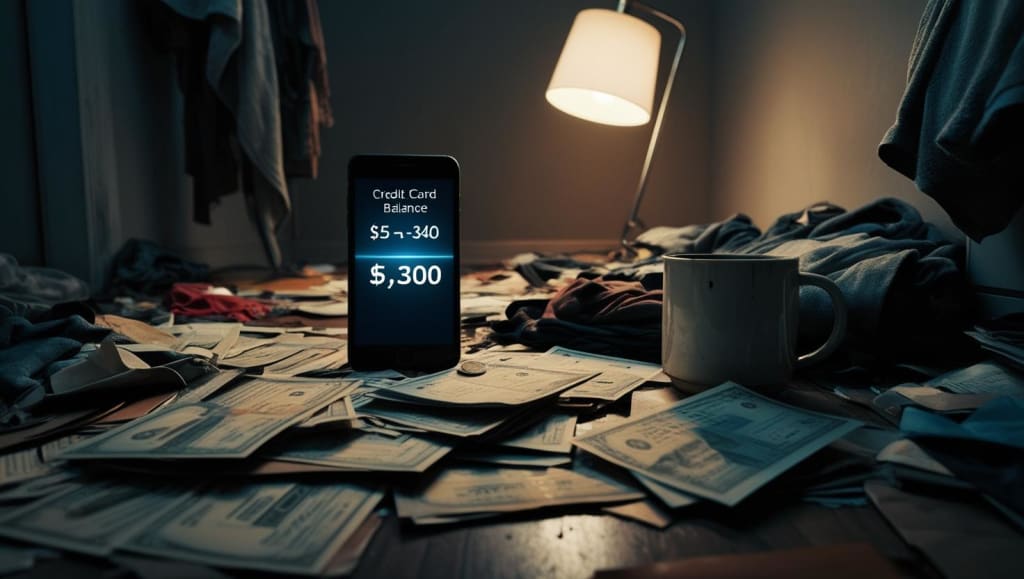
he radiator hissed in my cramped apartment as I sat cross-legged on the floor, surrounded by a fortress of unopened mail. It was a chilly February night in 2024, and I’d just checked my bank account: $19.47. My credit card app, glowing ominously on my phone, showed $5,300 in debt—piled up from impulsive bar tabs, new sneakers, and “just one more” streaming subscription. The air smelled of damp laundry, and my pulse raced with dread. I was 28, a millennial scraping by paycheck to paycheck, and the suffocating stress of it all felt like a vise around my chest. That moment was my rock bottom, the spark that forced me to face my financial mess.
I’d always told myself I’d “get serious” about money later, but “later” was now, and I was sinking. In 2023, the average U.S. credit card debt hit $6,501, and I was right there with my peers, drowning in numbers. Ignoring budgeting had landed me in this hole, broke and ashamed. Creating a budget meant slashing expenses—no more $12 cocktails or last-minute Ubers. The hardest part was breaking my habit of retail therapy, those dopamine hits from online shopping. Facing my mistakes stung, but I was done being a financial trainwreck. I wanted financial freedom, and I was ready to fight for it.
Budgeting Tips That Turned It Around
To climb out of the chaos, I needed budgeting tips that didn’t feel like a prison sentence. Millennials are all about blending tech with hustle, so I leaned into tools that made money management click. Here are three strategies that helped me go from broke to in control:
1. The 50/30/20 Rule
I stumbled across the 50/30/20 rule on a podcast: 50% of your income for needs (rent, bills), 30% for wants (social life), and 20% for savings or debt. My take-home pay was $3,200 a month, so I broke it down: $1,600 for needs, $960 for wants, $640 for debt and savings. This gave me a clear plan. I put $450 toward my credit card debt and saved $190. It wasn’t instant magic, but shaving $2,700 off my debt in eight months felt like reclaiming my future. The structure let me breathe and plan ahead.
2. Tracking Expenses with Goodbudget
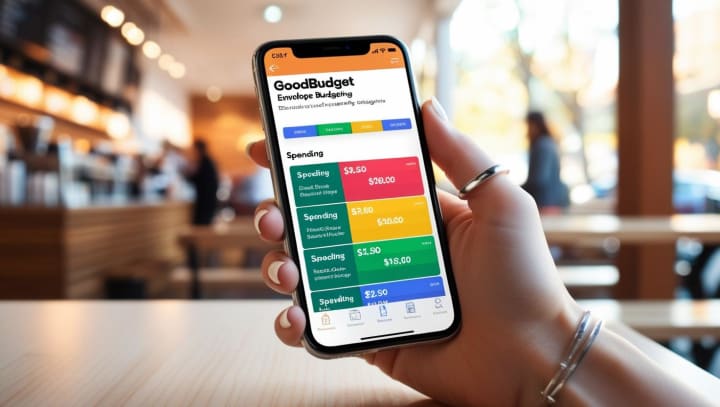
Goodbudget, an app based on the envelope budgeting system, became my financial compass. It lets you allocate money to virtual “envelopes” for different categories, syncing with your bank for real-time tracking. Linking my accounts was a shock—$300 a month on bar tabs was embarrassing. I cut that to $120, funneling $180 to my debt. Goodbudget’s simple interface and spending alerts kept me honest, especially when I was tempted to splurge. Knowing exactly where my money went gave me the confidence to start investing in a low-cost ETF, building wealth slowly but surely.
3. Automating Savings with Ally
Saving felt like a fantasy when every dollar was already spent. Ally, an online bank, changed that with its “surprise savings” feature, automatically transferring small amounts based on my spending patterns. I set a goal for a $1,500 emergency fund. Ally moved $10-$20 a week, and in nine months, I had $1,300 saved without thinking about it. That cushion meant I could cover a car repair without swiping my credit card. Automation was my secret weapon, letting me focus on long-term goals like contributing to a Roth IRA.

The Path to Financial Freedom
These strategies weren’t foolproof. I slipped up—like blowing $200 on a festival ticket and eating instant noodles for two weeks to balance it out. But each mistake made me sharper. The 50/30/20 rule gave me direction, Goodbudget kept me disciplined, and Ally built my safety net. Together, they helped me pay off $4,000 of my credit card debt in a year and save $1,800. More than numbers, they gave me peace of mind. I wasn’t just surviving anymore—I was dreaming again, planning a cross-country move or maybe starting a side hustle.
A 2024 survey found 59% of millennials use budgeting apps to manage money, and it’s no wonder—tools like Goodbudget and Ally make financial freedom feel within reach. Budgeting turned me from a financial disaster into someone who checks their accounts with pride, not fear. I’m not a guru yet, but I’m in control. I celebrate small wins, like hitting a $2,000 savings milestone, and I know I’m building a life I can count on.
You don’t need to be perfect to start. Pick one budgeting tip—try an app, test the 50/30/20 rule, or automate $5 a week. One small step today can change your tomorrow. What’s one money habit you’re ready to change?
About the Creator
Iqbal
Iqbal was a visionary poet
Twitter Down
Twitter Down When a major social media platform like Twitter experiences technical problems, millions of users immediately search for answers. Twitter, also known as X, plays a central role in news sharing, public discussion, and real time updates, so even short disruptions can feel significant. Recently, many users have reported difficulties accessing Twitter, loading timelines, posting content, or using certain features. This has led to widespread questions about whether Twitter is down, why it happens, and what users should expect. This article answers the most common questions people search for and explains the situation clearly.
By America today 3 days ago in 01



Comments
There are no comments for this story
Be the first to respond and start the conversation.