
Dr. Omar Al-Oufi : Advancing Shoulder Surgery and Rehabilitation Programs
Dr. Omar Al-Oufi: Advancing Shoulder Surgery and Rehabilitation

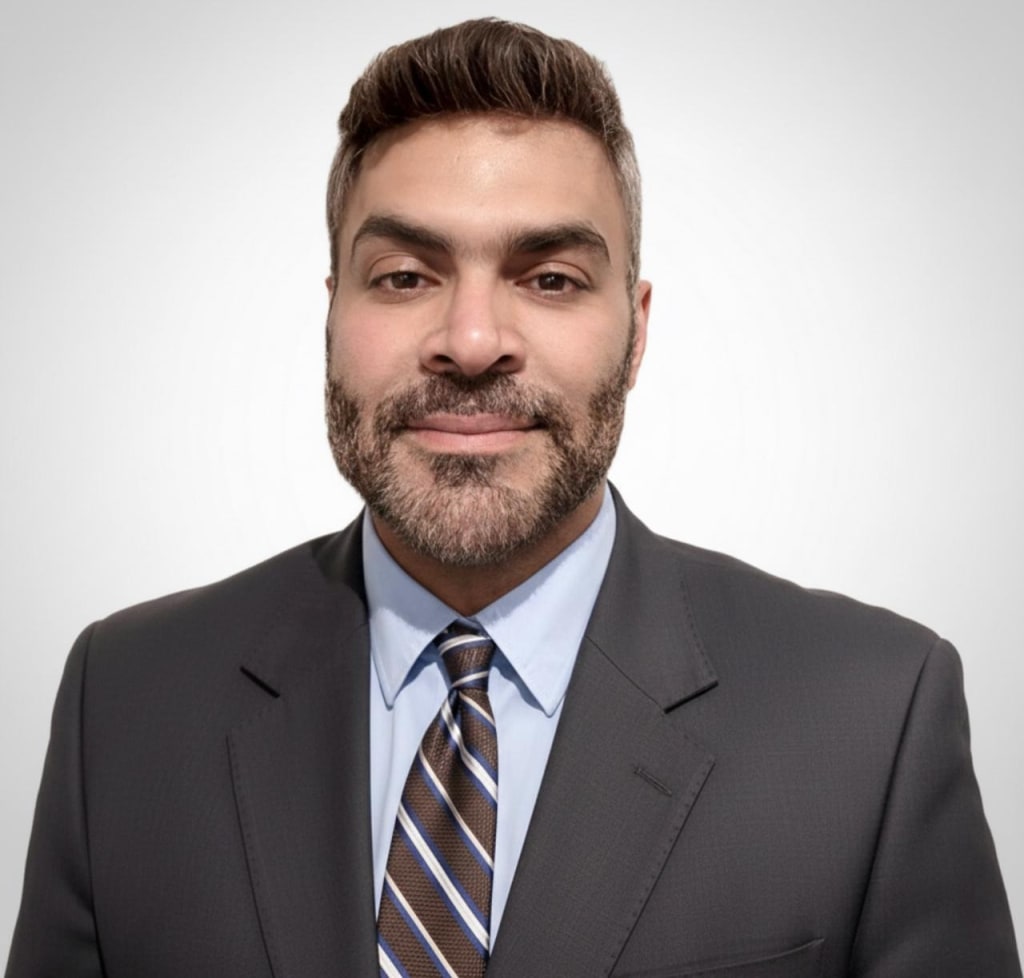
In an era of rapid medical innovation, shoulder surgery has emerged as one of the most technically demanding and evolving fields in orthopedic care. According to Dr. Omar Al-Oufi, Consultant Orthopedic and Shoulder Surgeon, recent advances in surgical techniques—coupled with the expansion of specialized rehabilitation programs—have transformed the way complex and previously difficult shoulder cases are treated, offering renewed hope to patients worldwide.
Dr. Al-Oufi explains that modern success in orthopedic surgery is no longer measured solely by technical expertise in the operating room. Instead, it begins with a comprehensive understanding of the patient as a whole—physically, psychologically, and functionally—before any treatment decision is made. “True medical excellence lies in precision, planning, and empathy,” he notes, emphasizing that a patient-centered approach is fundamental to achieving sustainable outcomes.
Shoulder surgery, Dr. Al-Oufi explains, is among the most intricate specialties in orthopedic medicine. The shoulder joint relies on a delicate balance between bones, muscles, tendons, and ligaments, all working in harmony to allow a wide range of motion. Even minor disruptions can lead to significant pain and functional impairment. This complexity demands exceptional diagnostic accuracy, advanced imaging techniques, and a carefully structured treatment plan grounded in scientific evidence and clinical experience.
Managing complex shoulder cases, he says, requires a holistic, step-by-step approach. Early and accurate diagnosis forms the foundation, followed by the selection of the most appropriate surgical or non-surgical intervention. However, the process does not end in the operating room. Carefully designed rehabilitation programs, tailored to each patient’s condition and lifestyle, are essential to restoring natural movement, minimizing pain, and ensuring long-term recovery.
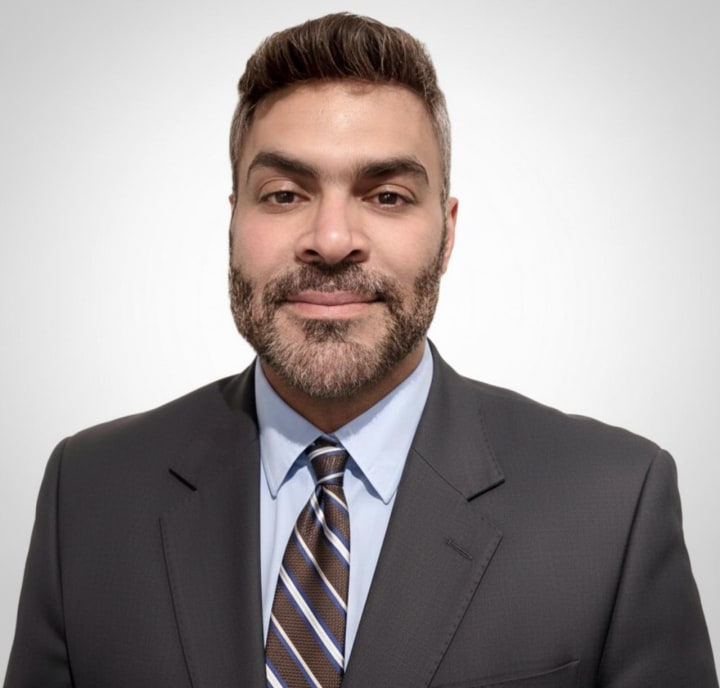
Dr. Al-Oufi highlights that many patients seek specialized care after enduring unsuccessful treatments elsewhere. These patients often arrive feeling frustrated, anxious, or hopeless. In such cases, the physician’s role extends far beyond surgical correction. “Restoring confidence is just as important as restoring function,” he explains. Clear communication, emotional reassurance, and realistic goal-setting play a critical role in helping patients regain trust in the treatment process.
Central to Dr. Al-Oufi’s philosophy is the belief that medicine is, at its core, a human-centered profession. He stresses that patients should never be viewed as mere clinical cases or numbers in a medical record. Each individual brings a personal story, unique concerns, and specific expectations that deserve respect, regardless of background or social status. Building a relationship based on mutual respect, he says, directly influences patient adherence to treatment plans and significantly improves clinical outcomes.
Trust, according to Dr. Al-Oufi, is the cornerstone of any successful medical intervention. This trust cannot be demanded; it must be earned through transparency and honesty. By explaining diagnoses, risks, and treatment options in clear and accessible language, physicians empower patients to actively participate in their care. This shared decision-making process not only reduces anxiety but also strengthens the partnership between surgeon and patient.
A major pillar of modern orthopedic care, Dr. Al-Oufi notes, is the growing role of advanced rehabilitation programs. Rehabilitation is no longer a secondary phase that follows surgery; it is now recognized as an integral component of the healing journey. In shoulder surgery particularly, personalized rehabilitation protocols are vital for restoring strength, flexibility, and coordination. When properly implemented, these programs accelerate recovery, reduce the risk of complications, and help patients return safely to daily activities and professional life.
Looking ahead, Dr. Omar Al-Oufi acknowledges that while his professional journey is still in its early stages, his ambitions are far-reaching. He is committed to advancing shoulder surgery techniques, expanding access to state-of-the-art rehabilitation services, and contributing to the global development of orthopedic medicine. His vision extends beyond local practice, aiming to influence international standards of care while promoting a model of medicine rooted in science, trust, and human dignity.
In a medical landscape increasingly driven by technology, Dr. Al-Oufi’s approach serves as a reminder that innovation achieves its greatest impact when combined with compassion, clear communication, and a deep respect for the patient experience. Through continued advancement in shoulder surgery and rehabilitation, he believes that even the most complex cases can be transformed into stories of recovery, resilience, and renewed quality of life.
About the Creator
Rem vs Em in 2026 for Accessible and Scalable CSS
Modern web development in 2026 has moved entirely away from static sizing. Foldable devices and ultra-high-density displays are now everywhere. Strict accessibility laws are also in place. Choosing between em and rem is no longer a matter of preference. It is now a functional requirement for inclusive design.
By Devin Rosario2 days ago in 01
What Does the Empty Grey Chat Box Mean on Snapchat?
Have you ever been trying to message someone on Snapchat and noticed that your chat box is empty and grey instead of the usual blue color? It can be confusing and frustrating. But don't worry; you're not alone! This article will explore what the empty grey chat box on Snapchat means and how you can troubleshoot the issue.
By Intelligent Creator7 days ago in 01



Comments
There are no comments for this story
Be the first to respond and start the conversation.