
DeFi Decoded: How to Safely Navigate Yield Farming and Liquidity Pools in 2025
Crypto Clarity: Budgeting Tips to Safely Dive into DeFi


The clock read 1:17 a.m., and I was hunched over my desk, the blue glow of my laptop screen casting shadows across empty energy drink cans. It was early 2024, and I’d just logged into my bank account: $23. My credit card balance, however, screamed $4,800—built from reckless crypto trades, late-night takeout, and “emergency” retail therapy. The room smelled faintly of stale pizza, and my chest tightened with panic. I was 26, living paycheck to paycheck, and the weight of my financial chaos felt like a brick on my lungs. That moment wasn’t just a low point; it was the jolt I needed to stop spiraling.
I’d always thought I could outsmart my finances, chasing quick wins in DeFi platforms without a plan. But the truth hit hard: I was drowning in debt and denial. In 2023, U.S. credit card debt topped $1.08 trillion, with Gen Z’s share climbing fast. I was part of that statistic, and it stung. Ignoring budgeting had led me here, stressed and broke. Cutting expenses meant ditching my daily $7 smoothies and canceling subscriptions I barely used. The toughest part? Kicking my habit of impulsive crypto trades, chasing yield farming hype without research. I was done letting money slip through my fingers. I wanted financial freedom, and I wanted my investments—especially in DeFi—to be smart, not reckless.
Budgeting Tips to Build a Foundation
To claw my way back, I needed budgeting tips that worked with my tech-heavy, DeFi-curious lifestyle. Gen Z thrives on apps and automation, so I leaned into tools that made budgeting feel less like a chore. Here are three strategies that helped me regain control and set the stage for safer DeFi investing:
1. The 50/30/20 Rule
I found the 50/30/20 rule on a Reddit finance thread: 50% of income for needs (rent, utilities), 30% for wants (fun), and 20% for savings or debt. My monthly take-home was $2,900, so I split it: $1,450 for needs, $870 for wants, $580 for debt and savings. This gave me structure. I threw $400 at my credit card debt and saved $180. It wasn’t instant, but paying off $1,800 of my $4,800 balance in six months felt like shedding chains. The clarity helped me allocate small amounts to DeFi pools without risking my rent money.

2. Tracking Expenses with PocketGuard
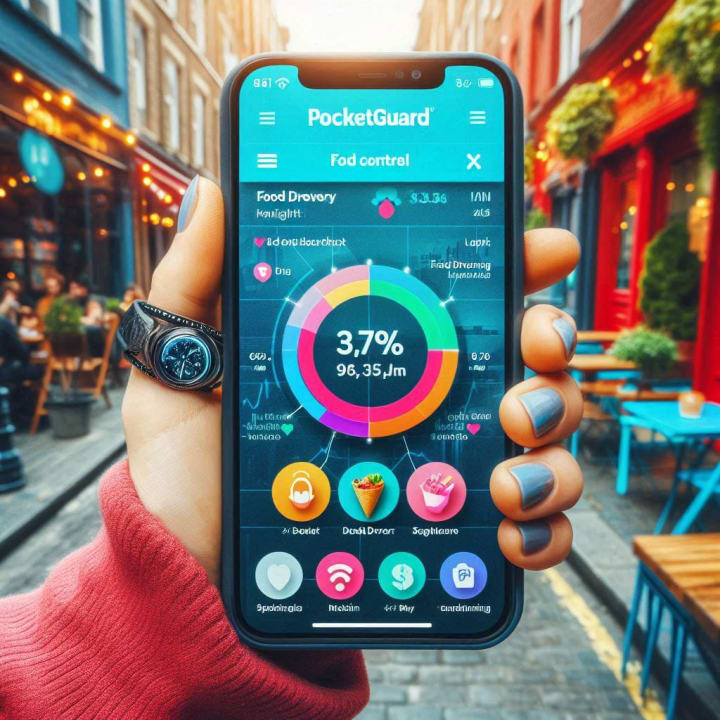
PocketGuard, a budgeting app, became my financial sidekick. It syncs with your accounts, tracks spending, and shows what’s “safe to spend.” Linking it to my bank was a wake-up call—$250 a month on food delivery was obscene. I cut that to $100, redirecting $150 to my debt. PocketGuard’s simple interface and overspending alerts kept me in check, especially when I was tempted to “ape into” a new yield farm. Knowing my spending patterns gave me confidence to research DeFi protocols like Aave or Uniswap properly, avoiding scams.
3. Automating Savings with Chime
Saving was a pipe dream when every dollar vanished. Chime, a neobank, changed that with its auto-savings feature, rounding up purchases and stashing the change. I set a goal for a $1,000 emergency fund. Chime tucked away $5-$15 a week, and in seven months, I had $900 saved. That buffer meant I could experiment with low-risk liquidity pools—like stablecoin pairs—without fear of wiping out my checking account. Automation turned saving into a habit, freeing me to focus on learning DeFi’s ropes, like impermanent loss and APY.
From Chaos to Financial Freedom
These strategies weren’t perfect. I messed up—like dropping $200 on τό a hyped NFT that tanked, forcing me to skip eating out for weeks. But each slip taught me discipline. The 50/30/20 rule gave me a framework, PocketGuard kept me accountable, and Chime built my safety net. Together, they helped me pay off $3,000 of my credit card debt in a year and save $1,200. More importantly, they gave me the stability to approach DeFi thoughtfully. I started small, staking $100 in a vetted stablecoin pool on Curve Finance, earning 4% APY with minimal risk. My money was working for me, not against me.

A 2024 study found 62% of Gen Z uses fintech apps for budgeting or investing, and it’s no surprise—tools like PocketGuard and Chime make financial freedom feel achievable. Budgeting let me navigate DeFi’s wild west without losing my shirt. The peace of mind is unreal—I’m not sweating every bill anymore. I’m even planning a road trip, funded by my savings and DeFi earnings. Financial freedom isn’t just about wealth; it’s about control and possibility.
You can start, too. Pick one budgeting tip—download an app, try the 50/30/20 rule, or automate $5 a week. One step today can unlock tomorrow’s wins. What’s one money habit you’re ready to change?
About the Creator
Iqbal
Iqbal was a visionary poet
How to Hire a Mobile App Developer in St. Louis 2026
The regional tech landscape has shifted significantly. The decision to hire a mobile app developer in St. Louis 2026 is now a strategic choice. St. Louis has evolved from a traditional manufacturing hub. It is now a center for agtech and geospatial technology. Financial services also drive the local economy forward.
By Del Rosario6 days ago in 01



Comments
There are no comments for this story
Be the first to respond and start the conversation.