
From AI to Z: The 10 Startup Trends Redefining Business in 2024-2025
Navigating the Future: Key Startup Trends Revolutionising Industries in 2024-2025

The world of startups is always evolving, and in 2024-2025, we’re witnessing groundbreaking shifts that are reshaping industries. From the rapid rise of generative AI and climate tech to the growing demand for sustainable agriculture and electric vehicle infrastructure, the landscape is transforming faster than ever. As venture capital trends shift and new technologies emerge, entrepreneurs are finding innovative ways to tackle today’s challenges. Whether you’re an aspiring founder or a seasoned entrepreneur, understanding these trends can help you stay ahead of the curve in an ever-changing market.

1. VCs Betting Big on Generative AI
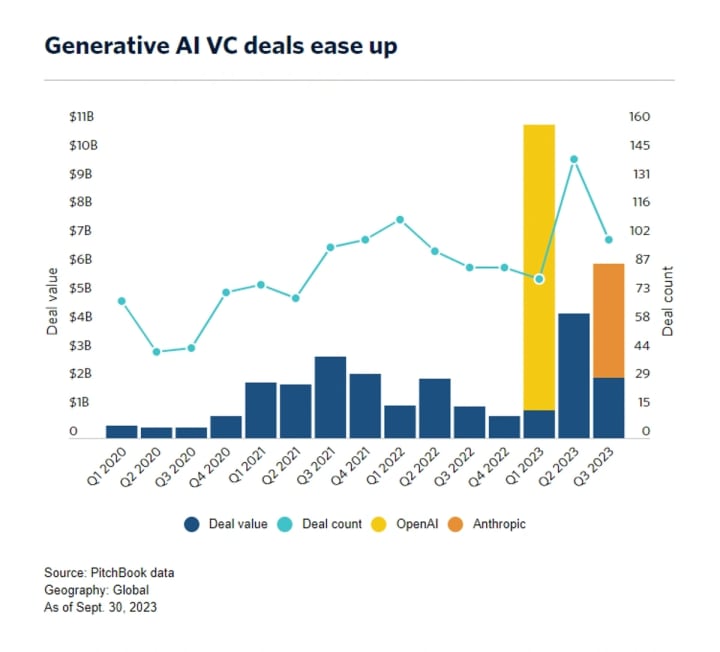
Venture capital funding for generative AI has seen a huge surge, especially in 2023-2024. Major investments include Amazon’s $4 billion investment in Anthropic and Elon Musk’s xAI raising $6.5 billion. However, there’s potential for a slowdown due to chip shortages and consumer hesitancy. Despite growing AI use, surveys reveal that over 75% of Americans haven’t engaged with AI in the past six months, and only 31% think society is ready for its widespread use. The dominance of tech giants, with massive spending on AI, further complicates the outlook for smaller startups.
2. AgTech Embraces AI
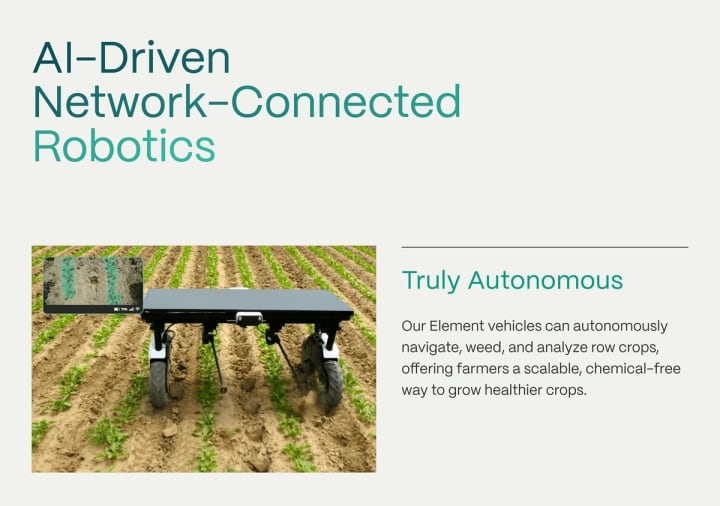
AgTech startups are increasingly turning to AI for innovations like precision farming and sustainability. With regenerative agriculture gaining traction, companies like GroGuru and Aigen use AI to optimize water use and build autonomous robots that eliminate weeds, offering eco-friendly alternatives to pesticides. The growing interest in agriculture AI highlights how technology is transforming the way farmers work to maximize yields while protecting the environment. This space is set for significant growth as climate-conscious farming becomes more critical.
3. Climate Tech Sees Mixed Results
Climate tech startups are gaining attention despite an overall dip in funding. In 2023, sectors like green mining and energy-efficient buildings saw record funding. While private investments in climate tech have fallen year-over-year, the sector now accounts for a larger share of total startup funding compared to previous years. Startups like Electric Hydrogen and Commonwealth Fusion Systems have reached unicorn status, focusing on clean energy technologies like green hydrogen and fusion energy, both promising innovations for a sustainable future.
4. EV Infrastructure Startups Rising
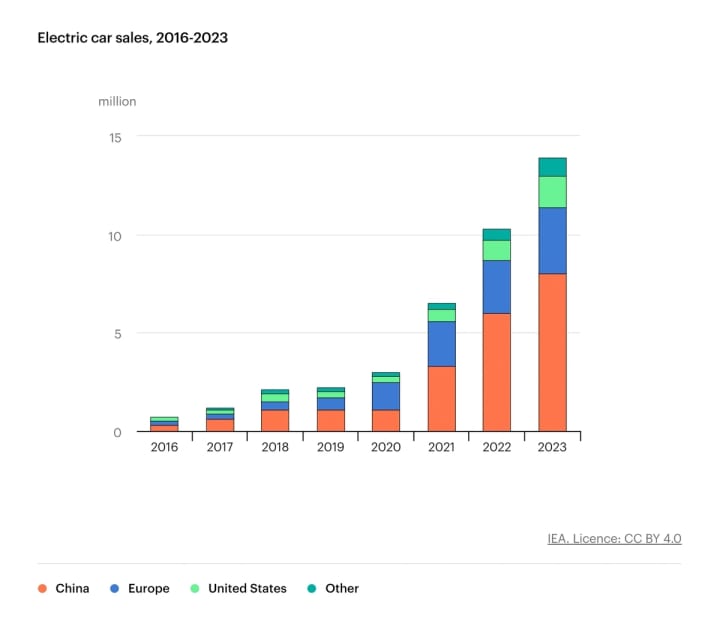
With more electric vehicles on the road, the need for EV infrastructure is rising fast. Startups like ElectroTempo are using software to predict charging demand, while ItsElectric installs curbside chargers in cities. As EV sales continue to grow, so does the opportunity for startups to bridge the infrastructure gap, providing critical solutions like charging networks and battery recycling. The demand for battery disposal is set to grow as millions of EV batteries are retired in the coming years, and startups are responding with innovative recycling methods.
5. Biotech and AI-Driven Drug Discovery
Biotech is booming, with AI playing a pivotal role in drug discovery. Startups like Evozyne and Genesis Therapeutics are using machine learning to study proteins and small molecules, advancing the development of new drugs. The potential of AI to accelerate drug discovery has drawn significant investment, with many expecting a transformative impact in the coming years. Companies like Generate:Biomedicines, which focuses on custom protein drugs, are at the forefront of using AI to innovate in the biotech space, with groundbreaking results already in human trials.
6. Metaverse Funding Declines
Once a hot sector, metaverse startups have seen a sharp decline in funding, dropping from $2 billion in late 2021 to just $300 million by mid-2023. Despite the reduced interest, the metaverse market is still projected to grow significantly, with companies like Futureverse and Geeiq continuing to innovate in this space. Predictions are divided on the metaverse’s future, but some believe it could become a truly immersive platform by 2040, even as the hype around the sector has cooled.

7. Satellites Drive Space Tech Growth
While space tech funding has slowed, satellite startups remain a safe bet, with companies like Ursa Major, Astranis, and Pixxel leading the way. Satellite imagery is increasingly in demand, with significant investment funneled into these technologies. As data transfer between Earth and space grows exponentially, satellite-focused startups are securing more capital than those focused on rocket launches. This trend signals that satellite technology will play a crucial role in industries ranging from environmental monitoring to global communications.
8. Drone Startups Find New Use Cases
Drone startups are expanding into new industries, from delivery to defense and surveillance. Zipline and Skydio are leading the charge, with Zipline’s drone delivery services operating in multiple countries and Skydio’s drones used for everything from search and rescue to bridge inspections. Other startups, like Verity, are developing indoor drones for warehouse inventory tracking, showing the versatility of drone technology in both consumer and industrial applications. As drones become more sophisticated, the potential for new use cases continues to grow.
9. Diversity in Startup Funding
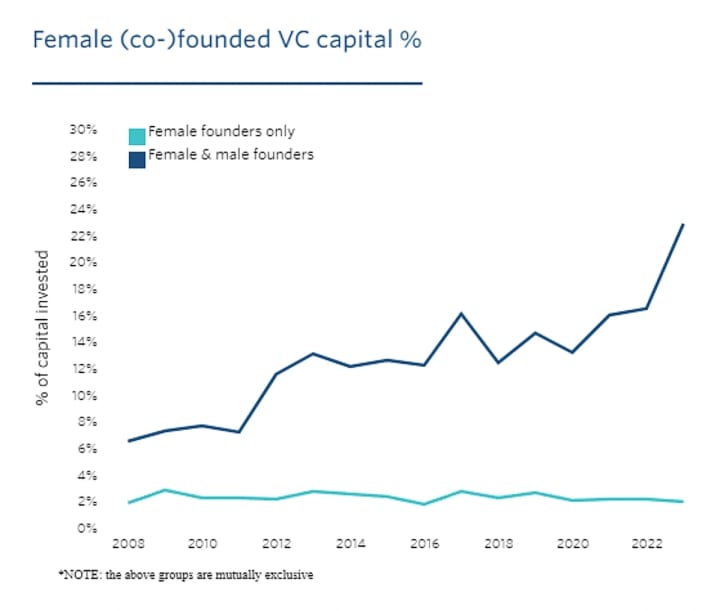
Funding gaps for minority and women-led startups remain stark, with startups led by diverse founders receiving a fraction of the capital given to white male-led ventures. However, efforts to bridge this gap are gaining momentum, with new laws and initiatives like New York’s Venture Access Alliance aiming to increase funding for startups with diverse leadership. The growing recognition of this disparity is driving more firms to prioritize diversity, though there’s still a long way to go before funding is distributed equitably.
10. Alternative Financing for Startups
As economic uncertainty looms, startups are increasingly turning to alternative financing options like non-dilutive funding, venture debt, and SAFE rounds. Programs like Alabama Launchpad offer non-dilutive funding through competitions, while venture debt remains a popular choice for growth-stage startups. Crowdfunding is also becoming a viable source of capital, with platforms like StartEngine enabling everyday investors to support startups. These alternative methods provide flexible financing solutions, helping startups weather the economic storm without giving up equity.
About the Creator
Why Germany Is Emerging as a Prime Market for Institutional-Grade White Label Crypto Wallets in 2026
Germany just issued its 100th crypto custody license under the updated Financial Instruments Act. Deutsche Bank launched digital asset custody services for institutional clients. The German government holds 50,000 BTC making it one of the largest sovereign cryptocurrency holders in Europe. If you're building institutional-grade white-label crypto wallet solutions and wondering where to focus in 2026, Germany isn't just attractive it's essential.
By Matthew Hawsa day ago in 01
The Siren Dilemma
At 2:14 a.m., Jake seriously considered dying quietly. Not because he wanted to. Not because the pain in his chest wasn’t concerning—it was. Very concerning. The kind of pain that makes you sit upright in bed and whisper, “Hmm. That doesn’t feel… decorative.”
By nimesh tandel2 days ago in 01



Comments
There are no comments for this story
Be the first to respond and start the conversation.