
Fact or Fiction: Is a Billionaire Really Building a Colony on Mars?
By Jay Phoenix
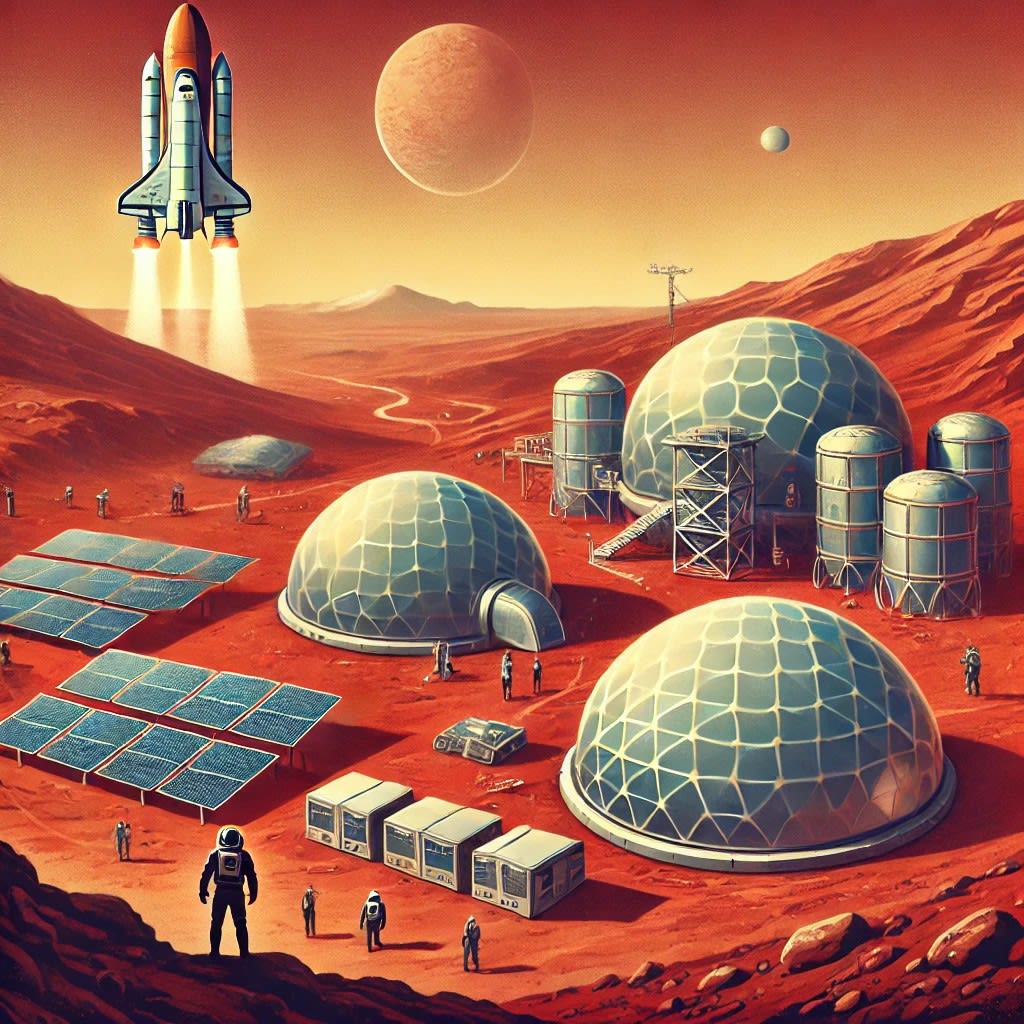
When Elon Musk speaks, the world listens. From electric cars to reusable rockets, his ambitious ventures have transformed industries and redefined what we believe is possible. But perhaps his most audacious goal is to establish a human colony on Mars. It sounds like something out of a sci-fi novel, but is it really within reach?
Let’s explore Musk’s vision for colonizing Mars, the progress made so far, and the challenges that stand in the way to determine if this is fact or fiction.
The Vision
Elon Musk’s Mars ambitions are no secret. Through SpaceX, the aerospace company he founded in 2002, Musk has repeatedly emphasized his goal to make humans a multi-planetary species. His vision includes:
- Massive Migrations: Transporting 1 million people to Mars over several decades.
- Sustainable Living: Establishing self-sufficient colonies with agriculture, energy production, and manufacturing.
- Reducing Costs: Dramatically lowering the cost of space travel to make colonization viable for ordinary people.
Musk’s ultimate aim is to ensure the survival of humanity by creating a “backup” civilization in case of catastrophic events on Earth.
The Technology Behind the Dream
SpaceX has already made significant strides in developing the technology needed for Mars colonization:
1. Starship Rocket
At the heart of Musk’s plan is Starship, a fully reusable spacecraft designed for interplanetary travel. Capable of carrying up to 100 passengers, Starship is powered by:
- Raptor Engines: Highly efficient engines fueled by liquid methane and oxygen, which can be produced on Mars.
- Reusability: Aimed at reducing the cost of launches by reusing the rocket multiple times.
2. In-Situ Resource Utilization (ISRU)
To create a sustainable colony, SpaceX plans to use ISRU technology to:
- Extract water from Martian soil to produce oxygen and hydrogen.
- Convert carbon dioxide from the Martian atmosphere into methane for rocket fuel.
3. Autonomous Systems
Mars colonies will rely heavily on AI and robotics to build infrastructure, grow food, and maintain systems in the harsh Martian environment.
Progress So Far
SpaceX has achieved milestones that bring Musk’s vision closer to reality:
- Falcon Rockets: Revolutionizing space travel with reusable rockets that have significantly reduced launch costs.
- Starship Prototypes: Multiple test flights have demonstrated Starship’s capabilities, though setbacks like explosions highlight the challenges.
- Mars Mission Timelines: Musk has proposed launching uncrewed missions to Mars as early as the mid-2020s, with crewed missions to follow.
Challenges to Colonizing Mars
While the progress is remarkable, establishing a Mars colony is far from guaranteed. Key challenges include:
1. The Harsh Environment
Mars is a hostile planet with:
- Extremely low temperatures averaging -80°F (-60°C).
- A thin atmosphere composed mostly of carbon dioxide.
- High radiation levels that pose risks to human health.
2. Cost and Logistics
Even with reusable rockets, the cost of transporting materials and people to Mars remains astronomical. Building infrastructure for millions of colonists would require decades of investment and innovation.
3. Human Health
- Long-duration space travel exposes astronauts to microgravity and radiation, leading to muscle loss and increased cancer risks.
- Adapting to Mars’ lower gravity could have unknown long-term effects on the human body.
4. Ethical Concerns
Critics argue that resources might be better spent addressing problems on Earth, such as poverty, climate change, and inequality, before investing in space colonization.
Why Mars?
Musk’s focus on Mars stems from several factors:
- Proximity: Mars is relatively close compared to other planets in the solar system.
- Resource Potential: The planet’s soil, atmosphere, and polar ice caps offer resources for sustainability.
- Human Ambition: Colonizing Mars aligns with humanity’s drive to explore and expand beyond Earth.
Fact or Fiction?
So, is Musk really building a colony on Mars? The answer lies in the middle. While significant progress has been made, the dream of a self-sustaining Martian colony remains a work in progress. The technology, funding, and societal willpower required are immense, and success is far from guaranteed.
The Bottom Line
Elon Musk’s Mars ambitions symbolize the boldness and ingenuity of human potential. Whether or not we see a thriving Mars colony in our lifetime, the pursuit itself pushes the boundaries of science and inspires us to think beyond our planetary limits. For now, the dream of a Martian civilization remains an incredible mix of fact and fiction, but its impact on our future is undeniably real.
About the Creator
Keep reading
More stories from Jay Phoenix and writers in 01 and other communities.
Fact or Fiction: Are Self-Driving Cars Truly Safe?
The idea of self-driving cars once seemed like science fiction, but today, autonomous vehicles are becoming a reality. Promising to revolutionize transportation, they aim to reduce accidents, increase efficiency, and offer convenience. However, as these vehicles inch closer to widespread adoption, questions about their safety remain a hot topic.
By Jay Phoenixabout a year ago in 01
Why Your AI Agents Still Can't Talk to Each Other (And How 2025 Fixed It)
Look, if you've been building AI agents lately, you know the frustration. Your shiny new LangGraph agent can't talk to your colleague's Autogen setup. Your company's chatbot lives in its own little bubble.
By Eira Wexford7 days ago in 01



Comments
There are no comments for this story
Be the first to respond and start the conversation.