
Fact or Fiction: Are Self-Driving Cars Truly Safe?
By Jay Phoenix
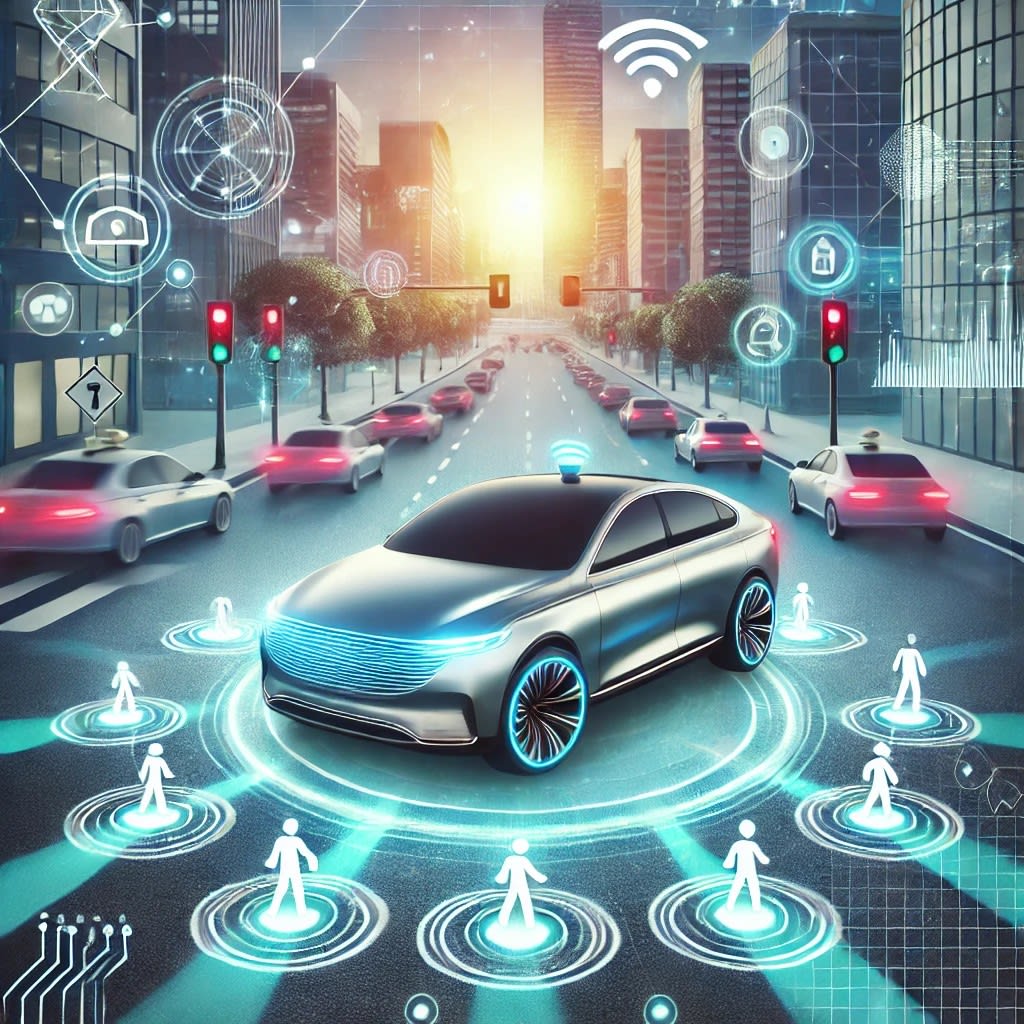
The idea of self-driving cars once seemed like science fiction, but today, autonomous vehicles are becoming a reality. Promising to revolutionize transportation, they aim to reduce accidents, increase efficiency, and offer convenience. However, as these vehicles inch closer to widespread adoption, questions about their safety remain a hot topic.
Can self-driving cars truly be trusted on our roads? Let’s explore the facts, the potential, and the concerns to separate truth from speculation.
What Are Self-Driving Cars?
Self-driving cars, or autonomous vehicles (AVs), use advanced technologies to navigate roads and make decisions without human input. These vehicles rely on:
- Sensors: Cameras, radar, and LiDAR systems detect objects, lanes, and obstacles.
- AI Algorithms: Artificial intelligence processes data from sensors to make real-time decisions.
- GPS and Maps: High-definition maps and GPS systems help the car understand its location and surroundings.
Autonomous driving is categorized into six levels, from Level 0 (no automation) to Level 5 (full automation). Most vehicles today are at Level 2 or 3, offering partial automation with human oversight.
The Case for Safety
Advocates of self-driving cars argue that they can drastically improve road safety:
1. Reducing Human Error
Human error is responsible for approximately 94% of traffic accidents. Factors like distracted driving, drunk driving, and fatigue are eliminated with autonomous vehicles.
2. Advanced Reaction Times
AI-powered systems can react to hazards faster than human drivers. For example, emergency braking systems can prevent collisions in milliseconds.
3. Improved Traffic Flow
Self-driving cars can communicate with each other, optimizing traffic patterns and reducing congestion, which decreases the likelihood of accidents.
4. Consistent Behavior
Unlike humans, autonomous vehicles don’t make impulsive decisions, ensuring more predictable and stable road behavior.
High-Profile Success Stories
Several self-driving car programs have demonstrated impressive safety records:
- Waymo: Alphabet’s self-driving car subsidiary has logged millions of miles with minimal incidents.
- Tesla Autopilot: Tesla’s advanced driver-assistance system has shown promising results in reducing crash rates when used correctly.
- Cruise: Owned by General Motors, Cruise has successfully deployed autonomous vehicles in urban environments.
The Risks and Challenges
Despite the potential, self-driving cars are not without risks:
1. Sensor Limitations
Sensors can be affected by adverse weather conditions, such as heavy rain or snow, reducing their accuracy.
2. Ethical Dilemmas
Autonomous vehicles must make split-second ethical decisions. For example, should the car prioritize the safety of its passengers or pedestrians in a no-win scenario?
3. Cybersecurity Concerns
Connected vehicles are vulnerable to hacking. A cyberattack could disrupt systems or cause accidents.
4. Human-AI Interaction
Transitioning control between humans and AI can lead to confusion. Drivers may become over-reliant on automation, reacting slower in emergencies.
High-Profile Incidents
Several incidents have raised concerns about the safety of autonomous vehicles:
- In 2018, an Uber self-driving car struck and killed a pedestrian in Arizona, highlighting issues with object detection.
- Tesla’s Autopilot system has been involved in multiple crashes, often due to misuse or over-reliance by drivers.
These incidents underscore the importance of rigorous testing and clear regulations.
Regulations and Testing
To ensure safety, self-driving cars undergo extensive testing and adhere to strict regulations:
- Simulations: Virtual environments allow manufacturers to test vehicles in millions of scenarios.
- Real-World Testing: Autonomous vehicles are tested on public roads to assess their performance in real-world conditions.
- Government Oversight: Regulatory bodies establish safety standards and monitor compliance.
Public Perception
Consumer trust is a significant hurdle for self-driving cars. Surveys show that many people remain skeptical about their safety, citing concerns about reliability and ethical decision-making.
Building trust will require transparency, consistent performance, and education about the technology’s capabilities and limitations.
Fact or Fiction?
Are self-driving cars truly safe? The answer is nuanced. While autonomous vehicles have the potential to make roads significantly safer, they are not without challenges. Current technology is impressive but not infallible, and human oversight remains crucial in most systems.
The Bottom Line
Self-driving cars represent a promising future for transportation, with the potential to reduce accidents and transform mobility. However, their widespread adoption depends on overcoming technological, ethical, and regulatory hurdles. As the technology evolves, the dream of safer roads may become a reality, but for now, the journey continues. Whether you view self-driving cars as a revolution or a risky experiment, they remain one of the most fascinating innovations of our time.
About the Creator
Keep reading
More stories from Jay Phoenix and writers in 01 and other communities.
Fact or Fiction: Can CRISPR Technology Create Superhumans?
The idea of genetically engineered "superhumans" has long been a staple of science fiction. From enhanced strength to heightened intelligence, the possibilities seem limitless. But with the advent of CRISPR, a groundbreaking gene-editing tool, the line between science fiction and reality is becoming increasingly blurred.
By Jay Phoenixabout a year ago in 01
The Future of Podcast App Development: What to Expect in 2026
Podcasting has evolved from a niche content format into a mainstream digital medium consumed by millions worldwide. As audiences grow and listening habits mature, podcast apps are no longer simple audio players. In 2026, podcast app development is expected to focus heavily on personalization, scalability, creator empowerment, and immersive user experiences. These changes will redefine how users discover, consume, and interact with audio content.
By shane cornerus5 days ago in 01




Comments
There are no comments for this story
Be the first to respond and start the conversation.