
Room Additions vs. ADUs in California: What’s the Best Fit for Your Property?
Richard Gallardo Inc.
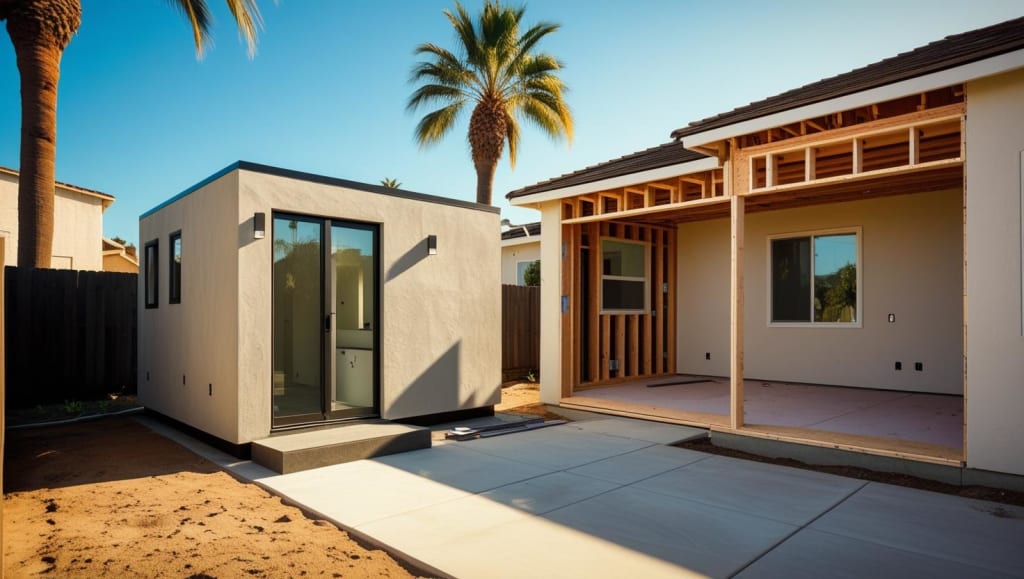
As California homeowners look for ways to increase property value, accommodate growing families, or generate rental income, two options dominate the conversation: room additions and accessory dwelling units (ADUs). While both add square footage and functionality, the differences in cost, regulation, usage, and design are significant.
This guide compares room additions and ADUs in the California context, helping homeowners and small property investors understand which option best fits their goals, budget, and property.
1. Definitions: What’s a Room Addition vs. an ADU?
Room Addition
A room addition is any extension of the primary residence’s existing footprint. It may include:
- Additional bedrooms
- Expanded kitchens or living rooms
- Home offices or family rooms
- New bathrooms or second stories
It remains structurally integrated with the main house and typically shares utilities and HVAC systems.
Accessory Dwelling Unit (ADU)
An ADU is a legally defined secondary dwelling unit on a residential property. It can be:
- Detached (e.g., a tiny house in the backyard)
- Attached (e.g., a basement or garage conversion)
- Internal (e.g., a reconfigured portion of the main house with its own entrance)
ADUs typically include a full kitchen, bathroom, and sleeping space, making them self-contained living quarters.
2. Purpose: How Do You Plan to Use the Space?
Before choosing between an addition or ADU, consider your primary motivation.
Room additions are ideal for:
- Expanding a growing family's space
- Enhancing lifestyle (e.g., home gyms, large kitchens)
- Boosting resale appeal to traditional buyers
ADUs are ideal for:
Creating rental income
- Housing adult children or elderly relatives (multigenerational living)
- Increasing property value with a legal second unit
- Short-term vacation rentals (where allowed)
In essence: room additions improve your lifestyle, while ADUs often improve your cash flow.
3. Zoning and Permitting: California’s Evolving Laws
One reason ADUs have exploded in popularity is California’s legislative push to combat the housing shortage.
Key laws making ADUs easier to build:
- SB 9 and SB 10: Enable homeowners to split lots or build multiple dwellings in single-family zones.
- AB 68 and AB 881: Reduce local barriers to ADU construction (e.g., setbacks, parking)
- State-mandated approval timelines: Local governments must approve ADU permits within 60 days
However, ADUs must meet specific state and local codes related to0:
Maximum square footage (typically 800–1,200 sq. ft.)
- Height limits
- Setbacks from property lines
- Independent utility connections
Room additions still require:
- Building permits
- Zoning compliance
- Possibly CEQA (California Environmental Quality Act) review for large expansions
Tip: Always consult your city’s building department or a licensed contractor familiar with California codes.
4. Cost Comparison: Which Is More Expensive?
Room Addition Costs (California average):
$300–$500 per sq. ft.
A typical 400 sq. ft. addition = $120,000–$200,000
Costs vary based on structural changes, roofing, plumbing, etc.
ADU Costs:
Garage conversions: $80,000–$120,000
Attached ADUs: $100,000–$250,000
Detached ADUs (new construction): $200,000–$400,000+
While ADUs tend to be more expensive per square foot due to needing full utilities, kitchens, and bathrooms, they may qualify for special financing programs or even local grants or fee waivers.
5. Timeline: Which Is Faster to Build?
Room Additions:
- 6 to 9 months, including planning and permitting
- Faster if no major structural changes
ADUs:
- 8 to 14 months, especially detached builds
- More complex due to independent infrastructure and state compliance
Permitting can also be faster for ADUs thanks to state-mandated approval deadlines, but construction time may stretch longer due to scope.
6. Design and Integration: Blending with Your Property
Room additions:
- Must visually and structurally match your existing home
- Require thoughtful design to avoid awkward layouts or uneven flow
- Offer seamless integration for open-plan living
ADUs:
- Allow for design freedom, especially if detached
- Can contrast or complement the main home
- Ideal for modern, minimalist, or eco-conscious designs
Pro Tip: ADUs can be prefabricated or modular, reducing build time and minimizing disruption on-site.
7. Utility and System Connections
Room additions:
- Use existing home systems (electrical, HVAC, plumbing)
- Less expensive to connect but harder to separate later
ADUs:
- May require new utility meters or subpanels
- Allow for separate utility billing (ideal for tenants)
- Can be designed with solar panels, tankless water heaters, or separate sewer lines
Adding utility independence is more expensive upfront but increases long-term rental viability.
8. Property Value and ROI: What’s the Payoff?
Both room additions and ADUs add significant value — but in different ways.
Room Additions:
- Improve livability and resale desirability
- Great for long-term owners
- ROI depends on market (average: 50–70%)
ADUs:
- Increase property value by 20–30%
- Add rental income, increasing monthly cash flow
- Attractive to multi-generational buyers or investors
- Can be depreciated for tax benefits if rented
ADUs tend to offer higher long-term ROI, especially in high-rent markets like the Bay Area, LA, and San Diego.
9. Taxes and Insurance
Room additions:
- Increase assessed value, resulting in higher property taxes
- Covered under existing homeowner’s insurance (after notifying provider)
ADUs:
- Also raise property taxes, but may qualify for Prop 13 reassessment protection
- May require separate insurance policy (especially if rented)
- If used as an income property, you may also need landlord coverage
Work with your insurance agent and property tax assessor to understand the implications before breaking ground.
10. Lifestyle Considerations: How Will It Affect Daily Living?
Room Additions:
- May displace you during construction (especially for major remodels)
- Could affect natural light, yard space, or traffic flow in your home
- Seamlessly improves lifestyle for family growth or modern living
ADUs:
- Provide privacy for guests or tenants
- May reduce backyard space or affect landscape design
- Open opportunities for multi-generational living, aging in place, or passive income
Think long-term: will you eventually need a home office, rental unit, or private space for aging parents?
Conclusion: Which Is Right for You — Room Addition or ADU?
Choosing between a room addition and an ADU in California depends on your goals:
Want more space for your family and daily life? → Room Addition
Want income potential, multi-generational flexibility, or long-term value? → ADU
Either option requires smart planning, a firm understanding of local regulations, and an experienced general contractor to guide you through the design, permits, and construction phases.
By evaluating your space, budget, zoning laws, and long-term plans, you can confidently invest in the upgrade that best serves your property and your future.
About the Creator
Keep reading
More stories from Jared Benning and writers in 01 and other communities.
How Retractable Screens Work (and Why They’re Worth the Investment)
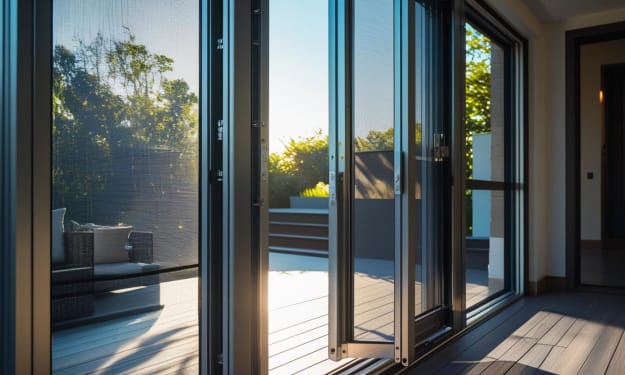
Retractable screens have gained widespread popularity among homeowners and business owners who want a seamless way to enjoy outdoor views, ventilation, and protection from insects—without compromising design. But what exactly are retractable screens, how do they work, and are they really worth the investment?
By Jared Benning7 months ago in 01
How to Choose the Best Mobile App Development Company in Canada 2026
Choosing the right app development partner in 2026 isn’t just a procurement decision—it’s a strategic move that can define whether your digital product scales or stalls. The Canadian tech ecosystem has matured rapidly, with agencies offering everything from rapid MVP builds to enterprise-grade platforms powered by AI and cloud-native architectures.
By alan michael3 days ago in 01


Comments
There are no comments for this story
Be the first to respond and start the conversation.