
CapCut Suspends U.S. Service Alongside TikTok Amid Government Ban
"How the U.S. Ban on TikTok and CapCut is Reshaping the Digital Landscape"
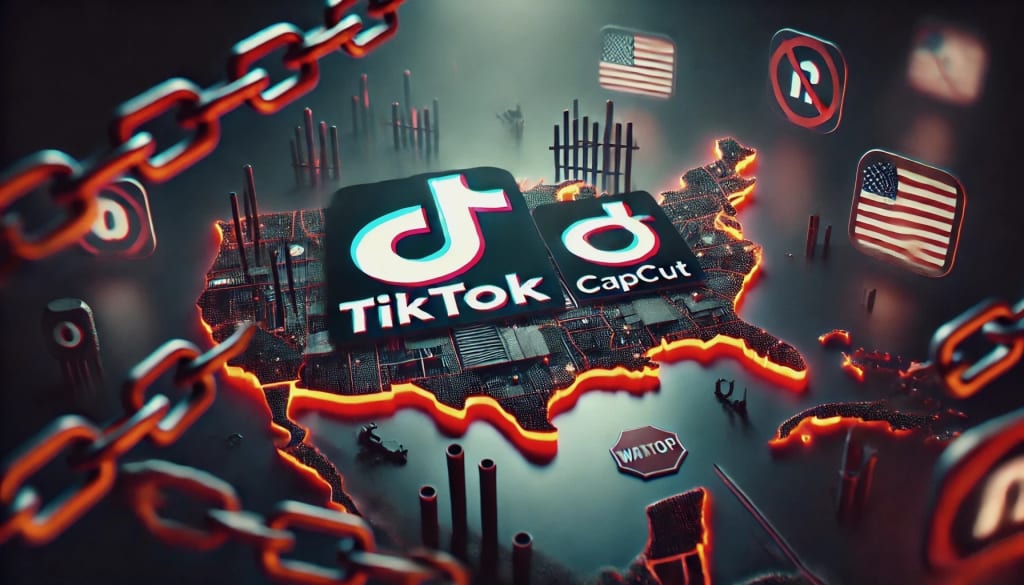
In a significant development for social media users across the United States, another popular app, CapCut, has joined TikTok in going dark due to a government-mandated ban. This move has left millions of users wondering about the future of their favorite apps and the digital tools they rely on every day.
The TikTok Ban and Its Ripple Effect
The trouble for TikTok started with a law passed last year that required ByteDance, its Chinese parent company, to sell its ownership of the app. The law gave ByteDance until January 19, 2025, to comply. If the company refused to sell, TikTok would have to be removed from app stores and made inaccessible to U.S. users.
Fast forward to today, ByteDance has refused to sell TikTok, triggering the ban to officially take effect. As a result, TikTok users woke up on January 19 to find the app no longer functional in the United States. But TikTok isn’t the only casualty in this situation.
CapCut Users Also Face the Ban

CapCut, a popular video editing app also owned by ByteDance, has been forced to suspend its services in the U.S. alongside TikTok. This came as a surprise to many, as the app wasn’t explicitly mentioned in earlier discussions about the ban. CapCut’s sudden suspension has disrupted countless creators who relied on the app for its user-friendly tools to edit and enhance their videos.
When users try to open CapCut now, they’re greeted with a message that reads: “Sorry, CapCut isn’t available right now. A new law banning CapCut has been enacted in the U.S. Unfortunately, that means you can’t use CapCut for now. Rest assured, we’re working to restore our service in the U.S. Please stay tuned! In the meantime, you can still manage your account data.”
This news has left creators scrambling for alternatives to maintain their content production.
Why Did This Happen?
The U.S. government has cited national security concerns as the primary reason for targeting ByteDance-owned apps. Lawmakers fear that TikTok and other apps linked to ByteDance could pose risks by sharing user data with the Chinese government. While ByteDance has consistently denied these allegations, the U.S. government has taken a firm stance, leaving no room for compromise unless ownership changes hands.
Earlier this week, there was a glimmer of hope when the Supreme Court was asked to review the law. However, the court declined to take up the case, effectively cementing the ban for now.
What’s Next?
For now, both TikTok and CapCut are unavailable to U.S. users. ByteDance has assured users that it is working on solutions, but the exact path forward remains unclear. This situation could change with new leadership, as former President Donald Trump has expressed interest in revisiting the issue once he is sworn back into office on Monday, January 20. Trump’s comments have sparked speculation about whether the ban might be lifted or renegotiated in the future.
How Are Users Responding?
The ban has sparked widespread frustration among TikTok and CapCut users, especially content creators and small businesses that rely on these platforms for their work. For many, TikTok wasn’t just a source of entertainment but also a vital tool for building communities, marketing products, and showcasing creativity. Similarly, CapCut had become a favorite app for seamless video editing, especially for those who wanted professional-looking results without expensive software.
Social media is flooded with posts from users sharing their disappointment and searching for alternatives. Many are now exploring other video editing tools and platforms to replace the features they loved about CapCut and TikTok.
The Bigger Picture
The ban on TikTok and CapCut highlights the growing tensions between the U.S. and China when it comes to technology and data privacy. While the U.S. government’s actions aim to protect national security, they also raise questions about the impact on freedom of expression and the future of global technology companies.
As we wait for the next chapter in this story, one thing is certain: this ban has reshaped the digital landscape for millions of users in the U.S. Whether these changes are temporary or permanent remains to be seen, but for now, creators and users alike are left in limbo, searching for ways to adapt.
Stay tuned as the situation evolves—this is a story far from over.
About the Creator
Why App Projects Go Over Budget in St. Louis 2026
Software development is a cornerstone of the Missouri tech corridor. It remains vital in 2026. Yet, local leaders face a recurring challenge. "Budget creep" is a common problem. It turns a slim project into a heavy financial burden. St. Louis executives must understand this trend. Founders need to see why costs rise. This is the first step to reclaiming fiscal control. This guide examines current regional cost drivers. It looks at structural failures that lead to overruns.
By Devin Rosario5 days ago in 01




Comments
There are no comments for this story
Be the first to respond and start the conversation.