
Angular App Security: Top Best Practices to Follow in 2025
Angular App Security

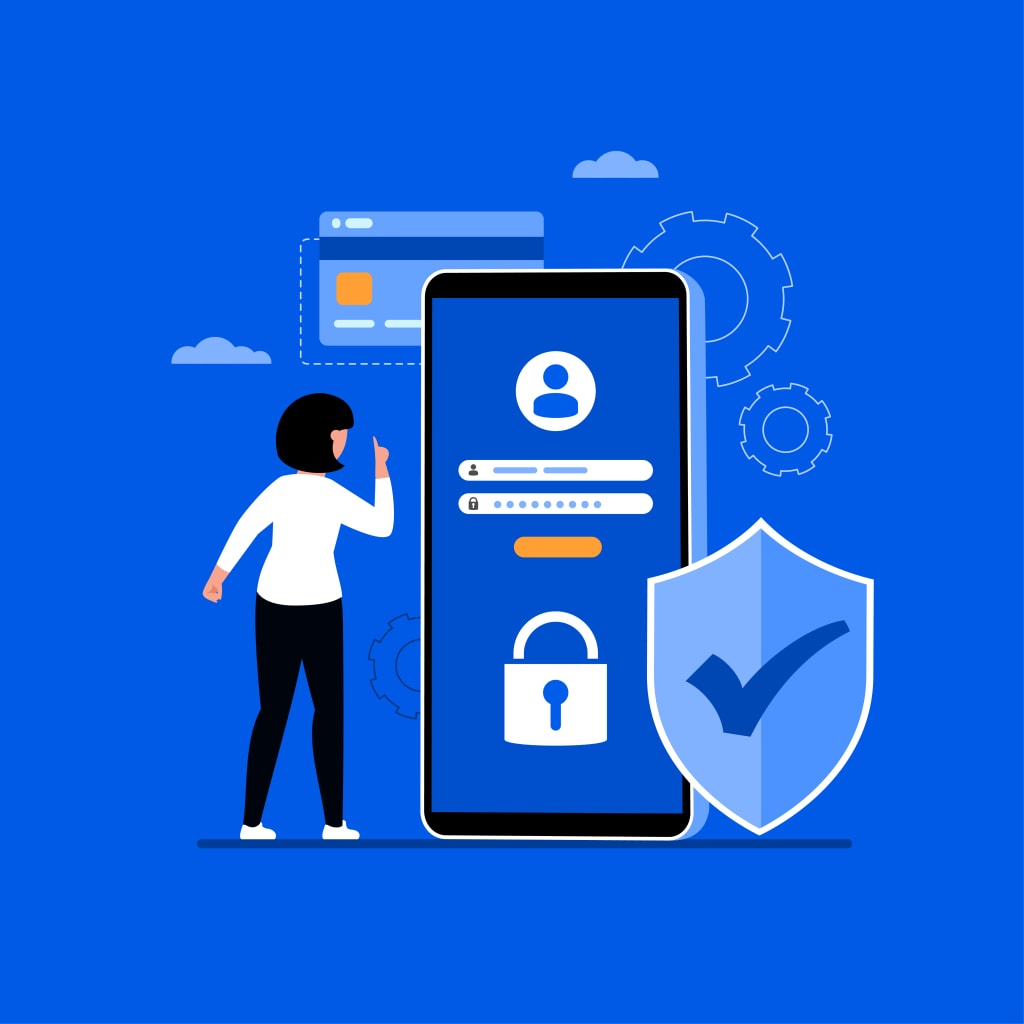
Angular is a popular front-end framework based on TypeScript for building robust and dynamic web applications. Despite its popularity, ensuring Angular app security is crucial, given the increasing complexity of web applications and the growing number of cyber threats. According to the Stack Overflow Survey 2024, 17.1% of developers use Angular to develop web applications. In this article, we will discuss various aspects of Angular app security and several best practices to safeguard your application.
Key Best Practices of Angular App Security Vulnerabilities:
For Angular applications, security is always the primary concern because security lapses can lead to data leaks, illegal access, and a decline in user confidence. Developers may successfully protect apps from common vulnerabilities like CSRF and XSS by utilizing several built-in security measures. Hire Angular developers to incorporate or review the security aspects of your application. Their knowledge of the Angular environment allows them to put strong security measures in place to safeguard user data and stop illegal access. You should be aware of some security flaws in Angular apps are listed below.
Cross-Site Scripting (XSS)
XSS attacks occur when malicious code is inserted into a website, often through user-submitted content. This code can trick visitors into revealing personal information or even taking control of their actions on the site. To protect against XSS, websites should carefully filter and sanitize user input, properly encode data before displaying it, and utilize Angular’s built-in security features.
Cross-Site Request Forgery
CSRF attacks occur when a malicious website deceives a user into unknowingly performing actions on a trusted website. This can be achieved by crafting a malicious link or form that, when clicked or submitted, triggers a fraudulent request to trusted websites. You can implement CSRF tokens or use in-built CSRF protection mechanisms to improve Angular app security. By ensuring that all requests from the client to the server include a unique CSRF token, you can verify the authenticity of requests and protect against CSRF attacks.
Secure Communication with APIs
To ensure secure communication with APIs in Angular applications, it is crucial to use HTTPS, implement robust authentication mechanisms like API keys or OAuth2, validate input data, sanitize output, and conduct regular security audits. You can also consider using JWT for authentication and authorization, versioning your APIs, and carefully evaluating third-party API integrations. By following these best practices, you can improve your Angular app security from common security threats and protect sensitive information.
Enable Strict CSP
Enabling Strict Content Security Policy (CSP) is a crucial step in enhancing Angular app security. CSP defines a set of rules that restrict the resources that can be loaded by your application which prevents attacks like Cross-site Scripting (XSS). By enforcing strict CSP rules, you can limit the potential attack surface and mitigate the risk of malicious code execution. To enable Strict CSP, you must generate a CSP policy, set the Content-Security-Policy header in HTTP responses, and test your application thoroughly to ensure compatibility and identify any issues.
Conclusion:
Angular app security is critical to building robust and reliable web applications. By understanding common vulnerabilities like XSS and CSRF and implementing best practices such as using HTTPS, implementing authentication mechanisms, sanitizing user-generated content, and enabling Strict CSP, you can significantly enhance the security of your Angular application. However, security is an ongoing process, and regularly reviewing and updating your security measures will help you stay ahead of emerging threats. Contact Angular Development company to protect your user’s data and application integrity. By prioritizing security, you can safeguard your user’s data, maintain application reliability, and build trust in your digital presence.
About the Creator
Nisarg Bhavsar
I'm a tech enthusiasts skilled in SEO and content creation. I bridge the tech gap with engaging content on Flutter, Node.js, Salesforce & mobile landscape.
Keep reading
More stories from Nisarg Bhavsar and writers in 01 and other communities.
Top 8 Best Practices for Mobile App Maintenance to Follow in 2024
In today’s mobile-first world, maintenance of mobile applications is as essential as they are developing. Mobile app maintenance is crucial for a positive user experience, security, compatibility, and competitiveness. There are several best practices for mobile app maintenance like Regularly updating, addressing bugs, optimizing performance, introducing new features, and protecting user data are important in enhancing user experience. It ensures compliance with legal regulations and prevents costly issues, ultimately providing long-term value and ROI.
By Nisarg Bhavsarabout a year ago in 01
How AI-Powered Digital Experience Solutions Are Transforming Museums and Cultural Spaces
Museums traditionally operated as static repositories. Curators placed objects behind glass. They printed small placards with dates and brief descriptions. Visitors walked through the rooms and read the text. Every person received the exact same information in the exact same format.
By ViitorCloud Technologies4 days ago in 01


Comments
There are no comments for this story
Be the first to respond and start the conversation.