
"Amazon's Project Kuiper: Your Complete Guide to the Future of Satellite Internet"
"From Launch Dates to Pricing—Everything You Need to Know About Amazon’s Space-Based Internet Service"
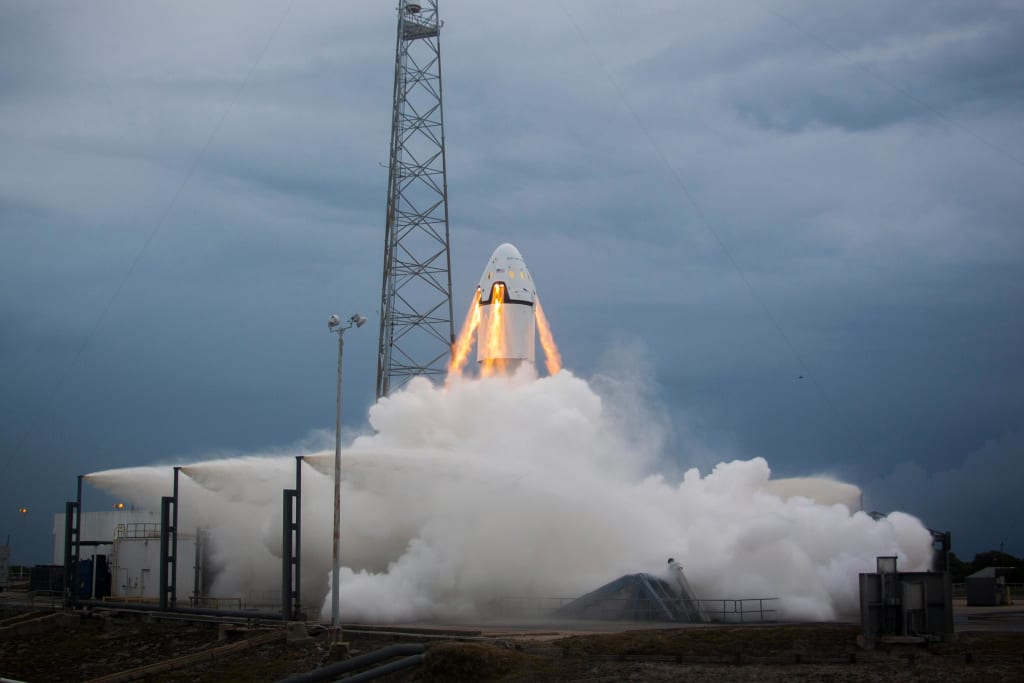
In an era where high-speed internet is a necessity, billions of people still lack reliable connectivity. Enter Amazon’s Project Kuiper, an ambitious initiative to deploy a constellation of 3,236 satellites in low Earth orbit (LEO) to provide affordable, high-speed broadband worldwide. With the first prototype satellites successfully launched in October 2023, the race to dominate the satellite internet market is heating up.
But how does Project Kuiper compare to SpaceX’s Starlink? What are its benefits, risks, and potential global impact? In this article, we’ll explore:
✔ What is Project Kuiper?
✔ How does it work?
✔ Key milestones and recent launches
✔ Competition with Starlink
✔ Potential benefits and concerns
✔ What’s next for Amazon’s space internet?
1. What is Project Kuiper?
Project Kuiper is Amazon’s $10 billion satellite internet venture, designed to bring high-speed, low-latency broadband to underserved and remote regions. Named after Gerard Kuiper, a Dutch astronomer known for his work on the solar system, the project aims to bridge the global digital divide.
Key Goals:
- Global Coverage: Provide internet access to households, businesses, and governments in hard-to-reach areas.
- Affordability: Compete with existing services like Starlink by offering cost-effective terminals.
- High Performance: Deliver speeds up to 400 Mbps (megabits per second) with low latency.
2. How Does Project Kuiper Work?
Unlike traditional internet providers that rely on cables and cell towers, Project Kuiper uses a network of satellites in low Earth orbit (LEO).
The Technology Behind It:
- Satellite Constellation: 3,236 satellites orbiting at 590–630 km above Earth.
- Phased-Array Antennas: Advanced antennas that track satellites without moving parts, ensuring stable connections.
- Ground Stations: Amazon is building gateway stations worldwide to link satellites to the internet backbone.
User Terminals (Satellite Dishes)
Amazon has revealed three types of customer terminals:
Standard (11-inch square): 400 Mbps speeds, ideal for homes and small businesses.
Ultra-Compact (7-inch square): Budget-friendly, portable option.
Enterprise (19x30-inch): High-capacity for government and industrial use.
3. Project Kuiper’s First Launch & Key Milestones
October 2023: Protoflight Mission Success
Amazon launched two prototype satellites (KuiperSat-1 & KuiperSat-2) aboard a ULA Atlas V rocket. The mission tested:
✔ Satellite communication
✔ Network integration
✔ Ground station performance
Results: Successful, paving the way for mass production.
2024-2026: Full Deployment Begins
Amazon plans to deploy half the constellation (1,618 satellites) by July 2026 (as per FCC requirements). They’ve secured 77 heavy-lift launches with three providers:
- United Launch Alliance (ULA) – Vulcan Centaur
- Arianespace – Ariane 6
- Blue Origin – New Glenn
First operational satellites expected in 2025.
4. Project Kuiper vs. Starlink: The Battle for Space Internet
SpaceX’s Starlink currently leads the satellite internet race with over 5,000 satellites in orbit. But Project Kuiper is positioning itself as a strong competitor.
Amazon’s Advantages:
✔ AWS Integration: Kuiper will leverage Amazon Web Services (AWS) for cloud-based networking.
✔ Retail & Logistics Power: Amazon can bundle Kuiper with Prime, Echo, and other services.
✔ Regulatory Backing: Strong FCC support due to Amazon’s compliance commitments.
Starlink’s Strengths:
✔ First-Mover Advantage (already operational).
✔ Higher speeds (1 Gbps+ in some areas).
✔ Global coverage (available in remote regions).
Who Will Win? It’s too early to say, but competition will drive innovation and lower prices.
5. Potential Benefits & Concerns
Benefits of Project Kuiper
- Closing the Digital Divide – Bringing internet to rural and disaster-hit areas.
- Boosting Global Economy – Enabling remote work, education, and telemedicine.
- Supporting AWS & AI – Faster cloud computing and IoT connectivity.
Challenges & Concerns
⚠ Space Debris Risk – Thousands of satellites could increase collision risks.
⚠ Regulatory Hurdles – Different countries may impose restrictions.
⚠ Market Saturation – Starlink, OneWeb, and others are already ahead.
6. What’s Next for Project Kuiper?
Late 2024: Beta testing begins for select customers.
2025: First commercial terminals roll out.
2026: Half the constellation deployed (1,618 satellites).
2029: Full global coverage expected.
Conclusion: Amazon’s Project Kuiper – A Giant Leap for Global Connectivity
Amazon’s Project Kuiper is more than just a satellite internet venture—it’s a visionary mission to connect the unconnected. With its first successful prototype launch in 2023 and plans to deploy over 3,200 satellites by 2029, this project could transform internet access for rural communities, remote businesses, and regions with poor infrastructure.
Key Takeaways:
Global Impact: Kuiper could bridge the digital divide, bringing high-speed internet to millions.
Competition Heating Up: While Starlink leads today, Kuiper’s integration with AWS and Amazon’s vast ecosystem gives it a unique edge.
Challenges Ahead: Space debris, regulatory hurdles, and market competition remain obstacles.
What’s Next? Beta testing begins in late 2024, with full-scale deployment by 2026.
About the Creator
Keep reading
More stories from Bint E Ruqqyyah and writers in 01 and other communities.
"Daylight Saving Time 2025: What You Need to Know About the Time Change"
As the world continues to evolve, so do the traditions and practices that shape our daily lives. One such practice, Daylight Saving Time (DST), has been a topic of debate, fascination, and even frustration for decades. In 2025, Daylight Saving Time will once again prompt us to adjust our clocks, but what does this mean for us in a rapidly changing world? Let’s dive into the history, purpose, and future of DST, and explore how it impacts our lives in 2025.
By Bint E Ruqqyyah10 months ago in 01
Why SERP Data Is Crucial for Digital Marketing
When you search on Google or Bing, the results that appear aren’t random. They’re carefully curated to match what the search engines think you want to see. But behind these search results lies a treasure trove of data—one that can provide businesses, marketers, and analysts with a wealth of information to understand how online content performs, what consumers are looking for, and how competitors are positioning themselves.
By Swiftproxy7 days ago in 01




Comments
There are no comments for this story
Be the first to respond and start the conversation.