
"Daylight Saving Time 2025: What You Need to Know About the Time Change"
Daylight Saving Time in 2025: What’s Changing?
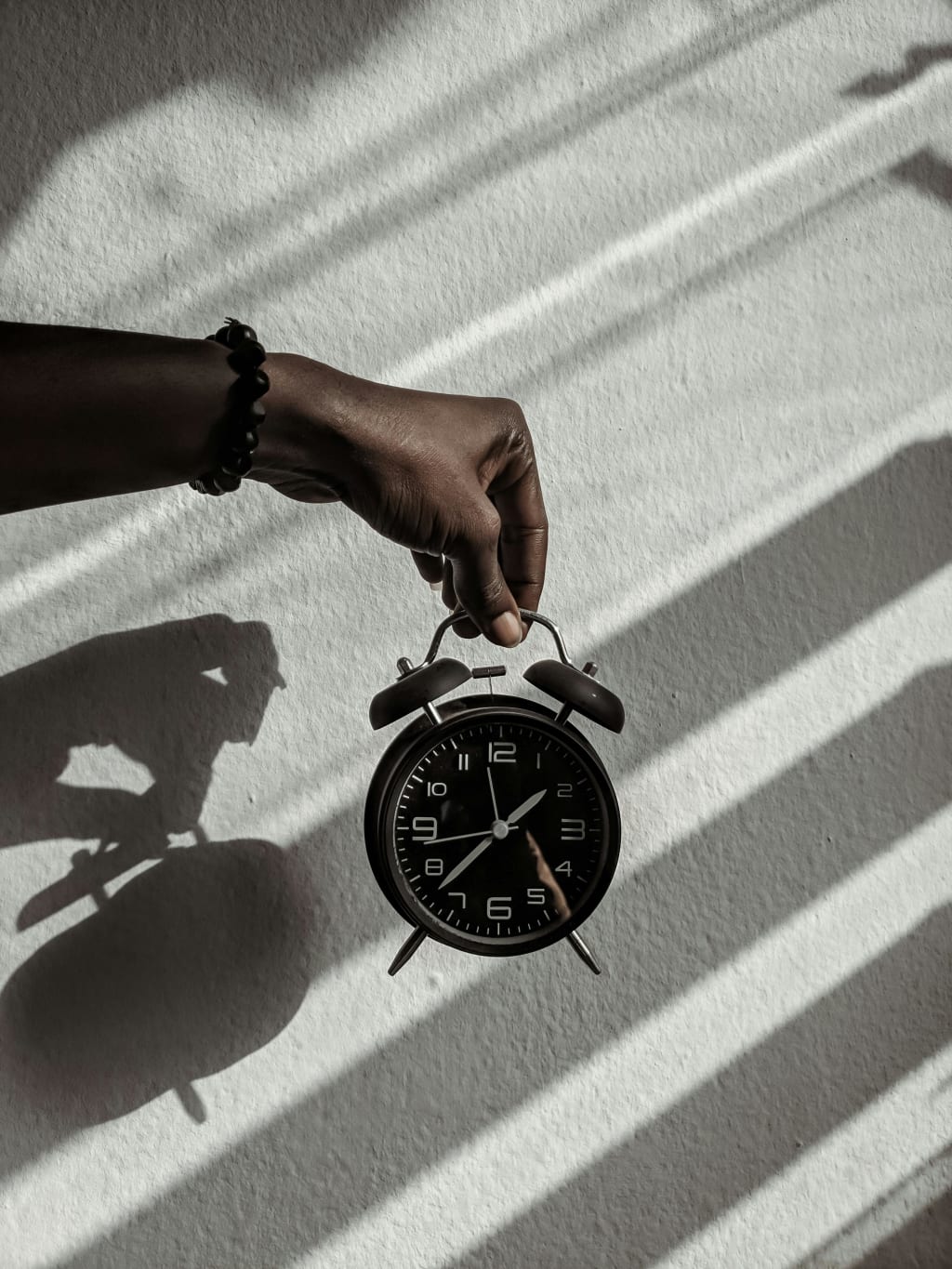
As the world continues to evolve, so do the traditions and practices that shape our daily lives. One such practice, Daylight Saving Time (DST), has been a topic of debate, fascination, and even frustration for decades. In 2025, Daylight Saving Time will once again prompt us to adjust our clocks, but what does this mean for us in a rapidly changing world? Let’s dive into the history, purpose, and future of DST, and explore how it impacts our lives in 2025.
What is Daylight Saving Time?
Daylight Saving Time is the practice of moving clocks forward by one hour during the spring and moving them back by one hour in the fall. The idea is to make better use of natural daylight, particularly during the longer days of summer. By shifting an hour of daylight from the morning to the evening, proponents argue that we can reduce energy consumption, boost outdoor activities, and improve overall well-being.
In 2025, most regions in the United States and many other countries will "spring forward" on March 9, moving clocks from 2:00 a.m. to 3:00 a.m. Then, on November 2, we’ll "fall back," returning to standard time by setting clocks back to 1:00 a.m. This annual ritual has become a familiar part of life for millions, but its origins and relevance are often misunderstood.
The History of Daylight Saving Time
The concept of Daylight Saving Time dates back to the early 20th century. It was first proposed by Benjamin Franklin in 1784 as a way to save candles, but it wasn’t until World War I that the idea gained traction. Germany and Austria-Hungary implemented DST in 1916 to conserve coal during the war, and other countries, including the United States, soon followed.
In the U.S., DST was standardized with the Uniform Time Act of 1966, though states were allowed to opt out. Today, most of the country observes DST, with the exception of Hawaii and Arizona (except for the Navajo Nation). Globally, about 70 countries participate in some form of DST, though the start and end dates vary.
The Pros and Cons of Daylight Saving Time
As we approach 2025, the debate over the benefits and drawbacks of DST continues. Let’s break down the key arguments on both sides.
Pros:
Energy Savings: One of the original goals of DST was to reduce energy consumption by making better use of daylight. While the impact varies by region, studies have shown that DST can lead to modest reductions in electricity usage.
Economic Benefits: Longer daylight hours in the evening can boost retail sales, tourism, and outdoor activities. Restaurants, parks, and recreational businesses often see increased revenue during DST.
Health and Well-Being: Extended daylight in the evenings encourages people to spend more time outdoors, which can improve physical and mental health. It also provides more opportunities for exercise and social interaction.
Cons:
Health Risks: The biannual time change has been linked to disruptions in sleep patterns, which can lead to increased stress, fatigue, and even heart attacks or strokes in the days following the shift.
Safety Concerns: The sudden change in daylight can affect road safety. Studies have shown a temporary increase in traffic accidents in the days after the clocks change.
Questionable Energy Savings: In the modern era, the energy savings from DST are less significant due to advancements in technology and changes in how we use energy. Some argue that the practice is no longer necessary.
Daylight Saving Time in 2025: What’s Changing?
As we look ahead to 2025, the conversation around Daylight Saving Time is evolving. In recent years, there has been growing momentum to make DST permanent or abolish it altogether. The Sunshine Protection Act, which was reintroduced in the U.S. Congress in 2023, aims to make DST permanent nationwide. If passed, this would mean no more "spring forward" or "fall back" starting in 2025.
Proponents of permanent DST argue that it would eliminate the negative health and safety impacts of the time change while maintaining the benefits of extended evening daylight. However, critics worry about the potential downsides, such as darker mornings during the winter months, which could affect children walking to school and commuters.
Internationally, the future of DST is also uncertain. The European Union voted to end the practice of seasonal time changes in 2021, but member states have yet to agree on whether to adopt permanent standard time or permanent DST. As 2025 approaches, it’s possible that more countries will follow suit, leading to a patchwork of timekeeping practices around the world.
How to Prepare for Daylight Saving Time 2025
Whether DST remains a seasonal tradition or becomes a thing of the past, it’s important to be prepared for the time change. Here are some tips to help you adjust:
Gradually Adjust Your Schedule: In the days leading up to the time change, try going to bed and waking up 10-15 minutes earlier (or later, depending on the season) to ease the transition.
Prioritize Sleep: Make sure you’re getting enough rest before and after the time change. Create a relaxing bedtime routine to help your body adjust.
Update Your Devices: Most smartphones and computers automatically adjust for DST, but don’t forget to manually update any analog clocks or appliances.
Be Mindful of Safety: During the days following the time change, be extra cautious on the road and allow yourself extra time to adjust to the new schedule.
The Future of Daylight Saving Time
As we move closer to 2025, the future of Daylight Saving Time remains uncertain. Will we continue to follow the century-old tradition of adjusting our clocks twice a year? Or will we embrace a new approach that prioritizes health, safety, and convenience? The answer may depend on where you live and how the ongoing debate unfolds.
One thing is clear: Daylight Saving Time is more than just a quirk of modern life. It’s a reflection of our relationship with time, nature, and each other. Whether you love it or hate it, DST is a reminder that time is a precious resource—one that we can shape and adapt to meet our needs.As we look ahead to 2025, let’s take a moment to appreciate the extra hour of sunlight, the changing seasons, and the opportunity to reflect on how we spend our time. After all, time is the one thing we can’t get back—so let’s make the most of it.
Final Thoughts
Daylight Saving Time 2025 will undoubtedly bring its share of adjustments, debates, and discoveries. Whether it’s your first time experiencing the time change or your hundredth, it’s a chance to pause and consider how we structure our lives. As the world continues to change, so too will our relationship with time. And who knows? By 2025, we might just find ourselves in a world where the clocks never change—and that’s a future worth imagining.
About the Creator
Keep reading
More stories from Bint E Ruqqyyah and writers in 01 and other communities.
Angie Stone: A Soul Legend’s Journey
Angie Stone, born Angela Laverne Brown on December 18, 1961, in Columbia, South Carolina, is a renowned American singer, songwriter, actress, and record producer. She is celebrated for her contributions to R&B, soul, and hip-hop music, earning her a place as one of the most influential voices in contemporary music. With a career spanning over four decades, Angie Stone has left an indelible mark on the music industry, blending traditional soul with modern R&B and hip-hop influences.
By Bint E Ruqqyyah11 months ago in 01
How Digital Marketing Services will Drive Business Growth in 2026?
The boardroom conversation around marketing has changed. In 2026, growth discussions no longer revolve around impressions, clicks, or follower counts. They revolve around contribution, predictability, and durability. Leaders want to know whether marketing systems can produce revenue under pressure, adapt to platform shifts, and justify spend without constant resets.
By Jane Smith7 days ago in 01
Handbags and the Modern Conversation Around Replica Handbags
Handbags are one of the most enduring and adaptable accessories in human history. Originally designed as simple carriers for personal belongings, handbags gradually evolved alongside changes in clothing, travel, and social structures. Over time, they became objects that combine practicality with visual identity. Today, handbags are discussed not only as fashion items but also as cultural and economic symbols.
By charliesamuel3 days ago in 01
The Dryads are Calling
They say the forest by Phoenix River sings. Perhaps it is just the wind howling through the leaves, or a particular birdsong. But Percy Fisher knows better; he knows what lies in those woods, and he knows that the forest sings of his demise.
By Leigh Hooperabout 18 hours ago in Fiction




Comments
There are no comments for this story
Be the first to respond and start the conversation.