
Why Traditional Chatbots Are No Longer Enough for Modern Businesses
Why businesses are moving beyond scripted bots toward smarter, more adaptive automation
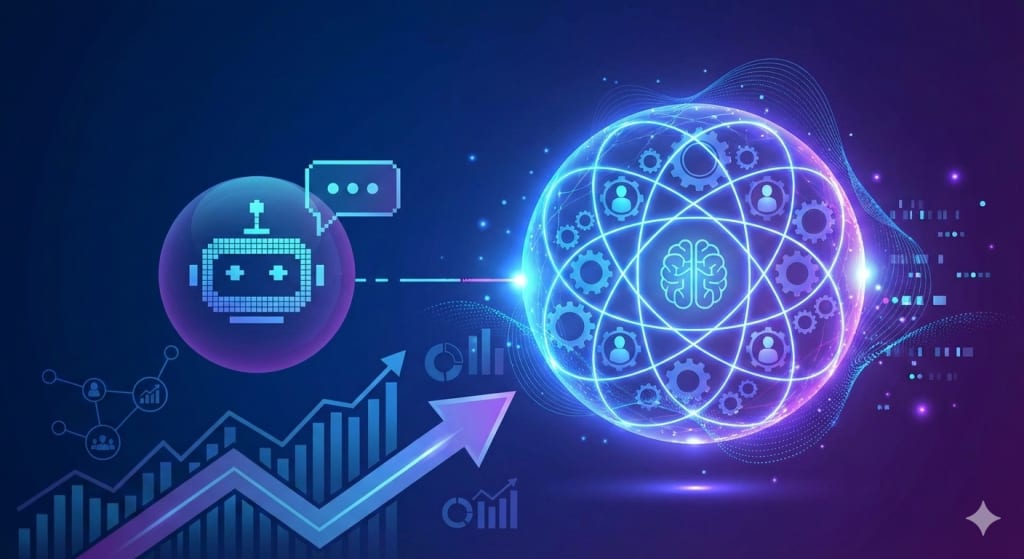
Not long ago, chatbots felt like a breakthrough. Businesses were excited to finally automate customer responses, answer FAQs, and reduce support workload. A basic chatbot builder platform could handle greetings, simple questions, and maybe route a user to the right page. At the time, that was more than enough.
But expectations have changed.
Today’s customers want fast, accurate, and personalized interactions. They don’t just want answers, they want solutions. And that’s where traditional chatbots are starting to fall short.
The Limits of Traditional Chatbot Builders
Most early chatbot builder tools were designed around rules. If a user said X, the bot responded with Y. While this approach worked for simple scenarios, it struggled the moment conversations became unpredictable.
Anyone who has interacted with a basic chatbot knows the frustration. Ask a slightly different question, and the bot gets confused. Try to solve a real problem, and you’re pushed toward a human agent or stuck in a loop of irrelevant replies.
For modern businesses operating across multiple channels, languages, and customer journeys, this kind of limitation creates more friction than value.
Customers Expect More Than Scripts
Customers today are used to smart technology. They expect systems to understand intent, remember context, and adapt. A static chatbot builder can’t meet those expectations anymore.
This is where conversations around what is an AI agent start to matter. Unlike traditional chatbots, AI agents are designed to think beyond scripts. They can analyze requests, understand intent, and take action instead of just responding with pre-written messages.
The difference is subtle at first, but powerful in practice. One helps users navigate a menu. The other helps them actually get things done.
The Rise of Branded AI Agent Builders
Another shift happening quietly in the background is branding. Businesses no longer want generic tools that feel disconnected from their identity. They want solutions that feel like an extension of their brand.
This has led to growing interest in branded AI agent builders. Instead of deploying the same chatbot experience as everyone else, companies can now create intelligent agents that match their tone, workflows, and customer expectations.
This is especially important for agencies and SaaS businesses that want to offer automation as part of their own services, not someone else’s product.
Ecommerce Is a Clear Example
Ecommerce highlights the problem with traditional chatbots better than almost any other industry. A basic Shopify chatbot might answer questions about shipping or return policies, but it often fails when customers need help choosing products, tracking orders across systems, or resolving issues quickly.
Modern online stores need automation that can guide customers, understand purchase intent, and assist beyond simple responses. That level of interaction requires more than a rule-based chatbot, it requires intelligence and adaptability.
From Chatbot Builder to Intelligent Automation
This doesn’t mean chatbots are disappearing. It means they’re evolving.
The idea of a chatbot builder is expanding into something much more flexible and capable. Businesses are now looking for tools that don’t just talk, but act, tools that can automate workflows, integrate with systems, and support real business operations.
The shift isn’t about replacing humans. It’s about removing repetitive work and letting teams focus on meaningful tasks while intelligent agents handle the rest.
Why Businesses Are Rethinking Their Approach
Modern businesses move fast. They need tools that can scale with them, adapt to new demands, and deliver consistent experiences across platforms. Traditional chatbots, built for a simpler time, often can’t keep up.
As expectations grow, so does the need for smarter automation. Companies that recognize this early gain an advantage, not just in efficiency, but in how customers experience their brand.
Final Thoughts
Traditional chatbots played an important role in the early days of automation, but they were never meant to handle today’s complexity. As businesses evolve, so must the tools they rely on.
Understanding the difference between basic chatbots and intelligent AI agents is becoming essential. The future belongs to solutions that go beyond scripted replies and move toward meaningful, adaptive interactions, the kind modern businesses and customers now expect.
About the Creator
Shaun W.
I’m a digital marketer with over three years of experience. I help brands reach their audiences using strategies like SEO, content marketing, and social media. I focus on data-driven insights to improve engagement and visibility.


Comments
There are no comments for this story
Be the first to respond and start the conversation.