
AI and Consumer Electronics: How Artificial Intelligence Is Powering the Next Generation of Devices
Discover how artificial intelligence is transforming smartphones, smart homes, wearables, entertainment, and everyday gadgets into intelligent, adaptive consumer electronics

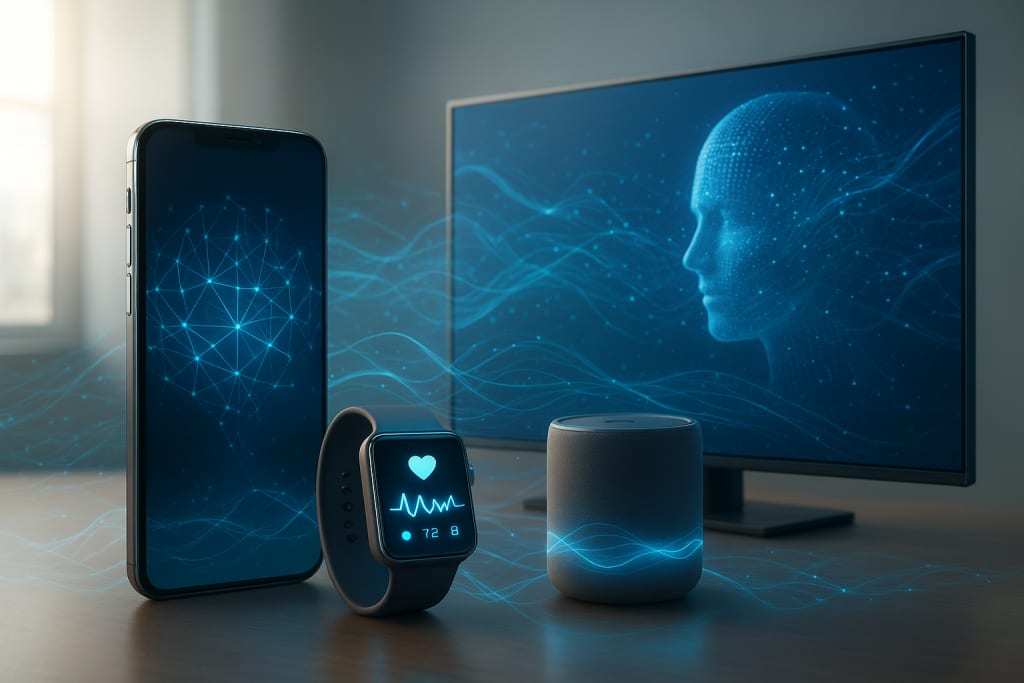
Artificial intelligence is not just an abstract concept or a buzzword tossed around by tech companies—it is now the invisible engine behind many of the consumer electronics people use every single day. What once required human judgment, manual control, or dedicated expertise can now be performed automatically by devices that learn, adapt, and respond in real time.
From smartphones that can capture studio-quality photos to home appliances that reduce energy consumption, AI has become a fundamental force in shaping the next wave of innovation in consumer electronics. This transformation is creating products that are faster, more efficient, and more personal than ever before.
The Evolution: From Tools to Intelligent Companions
Consumer electronics have always aimed to make life easier. A washing machine replaced hand scrubbing. A television replaced radio for mass media. A personal computer replaced typewriters and calculators. But these devices were still static tools—limited in scope, only performing specific tasks they were designed for.
Now, with AI integration, electronics have crossed a threshold. Devices are shifting from being passive instruments to active companions capable of making decisions, optimizing themselves, and even predicting future needs.
This leap has been fueled by three key advancements:
- Edge AI processing – Chips that allow devices to analyze and act locally instead of relying only on cloud servers.
- Natural user interfaces – Voice recognition, gesture control, and emotion detection making interaction effortless.
- Predictive analytics – Algorithms that study patterns of behavior to anticipate what the user wants before they ask.
The result? Electronics that feel less like machines and more like personalized assistants.
Smartphones: The Flagship of AI in Everyday Life
No device showcases the power of AI in consumer electronics better than the smartphone. Once designed primarily for calls and text messages, smartphones have evolved into AI-driven hubs of personal and professional life.
Key AI-driven smartphone features include:
- Photography & Video: Cameras detect environments automatically—night scenes, moving objects, or bright backlighting—and adjust settings instantly. Some devices even generate synthetic pixels to enhance sharpness and clarity.
- Personal Assistants: AI tools like Siri, Google Assistant, and Bixby don’t just answer questions; they proactively recommend reminders, suggest routes, or anticipate user actions.
- Security Enhancements: Facial recognition and fingerprint scanning use machine learning to improve accuracy over time, reducing false positives.
- Battery Optimization: AI studies daily habits and adjusts performance, extending battery life by regulating background processes.
What once required multiple devices—cameras, GPS units, voice recorders, or translators—has now been consolidated into one AI-powered ecosystem in your pocket.
Smart Homes: AI Behind the Walls
Smart homes are perhaps the most tangible representation of AI’s growing role in consumer electronics. The idea of automation is not new, but AI-driven devices bring a level of personalization and contextual awareness that older systems could never achieve.
- Lighting and Climate Control: Smart thermostats like Nest don’t just follow schedules. They learn occupancy patterns, adapt to weather changes, and reduce energy waste without constant manual adjustments.
- Voice-Activated Ecosystems: Assistants such as Alexa or Google Home recognize unique household members and adapt to their individual preferences. For example, one family member may ask for upbeat music while another prefers news briefings in the morning.
- Security and Surveillance: AI cameras now distinguish between a passing car, a delivery package, and an intruder. Instead of overwhelming homeowners with constant alerts, they provide context-aware notifications that reduce false alarms.
Imagine walking into your home after work: the lights adjust to your preferred brightness, the thermostat sets itself to your comfort level, and your favorite playlist starts automatically—all without saying a word. That is the future of AI in connected living.
For more on how smart home systems are evolving, see TechTarget’s smart home guide.
Wearables: The Personalized Health Revolution
Wearables represent one of the fastest-growing categories of AI-powered consumer electronics. Beyond fitness tracking, they are now critical tools for health monitoring and preventive care.
Modern wearables do more than collect data. They use AI to interpret it in meaningful ways:
- Early Diagnosis: AI detects anomalies in heart rate variability, oxygen saturation, or even gait, alerting users to potential health concerns.
- Personalized Coaching: Algorithms don’t just tell you how much you walked; they provide tailored advice on sleep improvement, stress management, and nutrition.
- Continuous Feedback: Wearables adapt recommendations daily as they learn from long-term user patterns.
Some devices are already being integrated with hospital systems and telehealth platforms, bridging the gap between consumer electronics and professional healthcare. This makes AI-enabled wearables a life-saving technology, not just a lifestyle accessory.
Entertainment Devices: Smarter Media Consumption
AI is also transforming how people engage with entertainment and media.
- Streaming Platforms: Services like Netflix and Spotify rely heavily on AI recommendation engines. They analyze not just what you watch or listen to, but also when you consume it, what you abandon mid-stream, and even how long it takes you to choose.
- Televisions: AI-powered upscaling has become standard in premium TVs. Instead of merely enlarging pixels, the TV predicts missing details and reconstructs them, making older HD or SD content look closer to native 4K or 8K.
- Gaming Consoles: Machine learning helps optimize in-game performance, allocate resources dynamically, and even enhance realism with AI-driven NPC behavior.
Entertainment is no longer passive—it is tailored, predictive, and interactive, providing experiences that feel personalized for every individual.
Automobiles as Consumer Electronics
Cars are increasingly being seen as consumer electronics on wheels. With AI at their core, vehicles are transforming into connected devices that rival smartphones in intelligence.
- Driver Assistance: Lane-keeping systems, adaptive cruise control, and emergency braking rely on real-time AI analysis of road conditions.
- Voice-Driven Interfaces: Instead of navigating complex menus, drivers can now use conversational commands to adjust climate, play music, or set routes.
- Predictive Maintenance: Sensors monitor vehicle health and alert owners to potential issues before they become costly problems.
The future of automobiles will likely merge entertainment, navigation, and safety into one cohesive AI-driven experience.
The Privacy Dilemma
Of course, as consumer electronics get smarter, they also get more personal. Devices collect voice recordings, health data, location history, and behavioral patterns. While this data fuels AI’s adaptability, it also introduces serious privacy and ethical concerns.
To address this, companies are investing in on-device AI processing, which keeps sensitive data local rather than transmitting it to the cloud. Consumers should remain proactive by understanding how their devices collect and share data. Resources like the Electronic Frontier Foundation are valuable for staying informed on digital rights.
What the Next Generation Looks Like
The horizon for AI-powered consumer electronics is expansive. Here are some emerging directions:
- Emotion Recognition – Devices capable of detecting stress, fatigue, or mood shifts and adjusting accordingly.
- Adaptive Ecosystems – Gadgets that learn not only from one user but from an entire household or community of connected devices.
- Sustainability AI – Appliances and electronics that continuously optimize themselves to reduce energy and resource consumption.
- Seamless Integration – Electronics that blend so deeply into daily life they become invisible, operating in the background without conscious interaction.
Artificial intelligence is reshaping the entire landscape of consumer electronics. What was once considered futuristic is now embedded in the devices people use every day. Smartphones, smart homes, wearables, entertainment platforms, and even cars are evolving into intelligent partners that enhance efficiency, safety, and personalization.
For consumers, this means living in a world where devices not only respond to commands but anticipate them, delivering experiences that are adaptive, intuitive, and remarkably human-like.
The future of consumer electronics is not about more gadgets. It is about smarter ones—devices that think, learn, and grow alongside their users.
About the Creator
Richard Bailey
I am currently working on expanding my writing topics and exploring different areas and topics of writing. I have a personal history with a very severe form of treatment-resistant major depressive disorder.
Keep reading
More stories from Richard Bailey and writers in 01 and other communities.
The Future of AI Companions: From Digital Chatbots to Personal Robots
Artificial intelligence is no longer just a tool for crunching data or powering search engines—it is becoming something more personal. AI companions represent one of the most intriguing developments in technology: machines designed not just to answer questions, but to engage, support, and in some cases, emotionally connect with humans.
By Richard Bailey3 months ago in 01
OpenClaw AI Applications: How Do Intelligent Agents Improve Modern Workflows?
Artificial intelligence is rapidly evolving beyond basic chatbots and simple automation. Platforms like OpenClaw represent a new generation of intelligent AI agents that can handle complex workflows across multiple domains. From organizing personal schedules to assisting developers and business leaders, OpenClaw enables professionals to work smarter and faster.
By Nia Higgins2 days ago in 01


Comments
There are no comments for this story
Be the first to respond and start the conversation.