
5 Bad Habits That Damage Your Brain: Tim Han
Everyday behaviors that seem harmless could be sabotaging your brain—learn what they are and how to stop them before it’s too late.

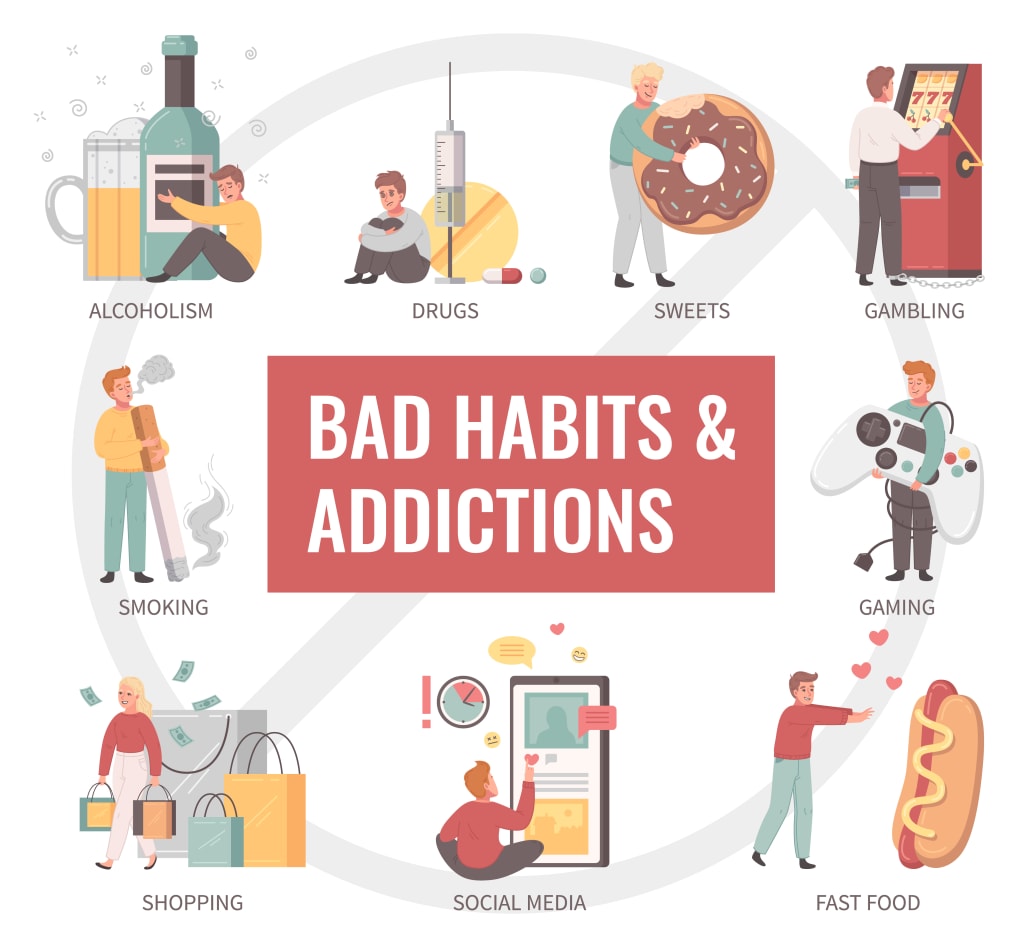
Your brain is the most powerful tool you have. It controls your thoughts, emotions, decisions, and actions. Yet, many of us unknowingly engage in daily habits that slowly chip away at our brain health. You might not feel the effects immediately, but over time, these harmful routines can reduce your memory, creativity, focus, and even emotional resilience.
According to personal development experts like Tim Han from Success Insider, protecting your mental health is just as important as taking care of your physical health. With that in mind, let’s dive into five bad habits that damage your brain—and what you can do to stop them.
1. Lack of Quality Sleep
We live in a culture that often glorifies hustle and late nights, but sacrificing sleep isn’t a badge of honor—it’s a silent killer of brain function. When you don’t get enough rest, your brain doesn’t have time to clear out toxins, consolidate memories, or process emotions.
Chronic sleep deprivation can lead to:
- Impaired cognitive performance
- Poor memory and concentration
- Increased risk of neurological disorders like Alzheimer’s
What to do instead: Establish a sleep routine. Aim for 7–9 hours of quality rest each night. Avoid screens before bed, keep your room dark and cool, and wind down with relaxing habits like reading or meditation.
2. Overconsumption of Processed Foods and Sugar
You’ve probably heard that “you are what you eat,” and when it comes to your brain, that’s especially true. Diets high in sugar and processed foods contribute to inflammation in the body, which can impair brain function.
Too much sugar can disrupt insulin regulation in the brain, affecting memory and learning. Moreover, highly processed foods often lack essential nutrients like omega-3 fatty acids, antioxidants, and vitamins—elements your brain needs to thrive.
What to do instead: Shift toward a diet rich in whole foods—vegetables, fruits, nuts, seeds, lean proteins, and healthy fats. Not only will this support your brain, but you’ll feel more energetic and focused throughout the day.
3. Negative Self-Talk and Constant Stress
Stress isn’t always a bad thing, but when it becomes chronic—especially combined with negative self-talk—it can shrink parts of your brain responsible for memory and emotional regulation.
Constantly putting yourself down or expecting the worst floods your system with cortisol (the stress hormone), which over time damages brain cells and reduces your ability to think clearly or problem-solve.
Tim Han Success Insider emphasizes the power of positive inner dialogue and the importance of managing emotional health for long-term success. As he often shares, your thoughts shape your reality—and that begins in your brain.
What to do instead: Practice mindfulness and self-compassion. Use affirmations, journal your thoughts, or speak to a therapist or coach. Surround yourself with positive influences and practice gratitude daily.
4. Lack of Mental Stimulation
Just like your muscles, your brain needs exercise. Doing the same tasks every day or constantly consuming passive entertainment (like scrolling social media or binge-watching TV) can dull your cognitive abilities.
Without regular challenges, your brain’s neuroplasticity—the ability to adapt and grow—starts to weaken. This leads to slower thinking, memory lapses, and even earlier cognitive decline.
What to do instead: Keep your brain engaged. Learn a new skill, read thought-provoking books, solve puzzles, or pick up a hobby that requires focus and creativity. Leaders like Tim Han Success Insider encourage lifelong learning as a way to stay mentally sharp and grow both personally and professionally.
5. Isolation and Poor Social Connections
Humans are wired for connection, and meaningful social interaction plays a huge role in brain health. Loneliness and social isolation have been linked to depression, anxiety, and cognitive decline.
Conversations, laughter, and emotional support all activate different regions of the brain, keeping it active and emotionally balanced. Isolation, on the other hand, can lead to overthinking, increased stress, and even structural changes in the brain.
What to do instead: Prioritize relationships. Make time for family and friends, join a community or mastermind group, and don’t be afraid to seek support when needed. Being part of a growth-oriented tribe—as promoted by Tim Han Success Insider—can help you feel more connected, confident, and mentally resilient.
Final Thoughts
Your brain is your most valuable asset, yet it's often the most neglected. By identifying and breaking these five damaging habits—poor sleep, unhealthy diet, stress and negative self-talk, lack of stimulation, and isolation—you can dramatically boost your cognitive health, focus, and emotional well-being.
The journey to a stronger mind doesn’t require a total life overhaul. Start with small, consistent changes, and you’ll begin to notice the shift. Just as Tim Han Success Insider teaches, success starts from the inside out—and that includes nurturing your brain every single day.
Remember: If you want to improve your life, begin by improving your habits. Protect your brain, and it will empower you to become the best version of yourself.
About the Creator
Tim Han Success Insider
Tim Han, founder of Success Insider, is a globally recognized coach, author, entrepreneur, and international speaker.
Keep reading
More stories from Tim Han Success Insider and writers in 01 and other communities.
Unlocking Wealth: 7 Secrets of the Millionaire Mind from Tim Han Success Insider
Becoming a millionaire isn’t just about working harder—it’s about thinking differently. While most people focus on income, true wealth begins in the mind. That’s exactly what Tim Han Success Insider teaches: if you want to change your life, you must first change your mindset.
By Tim Han Success Insider8 months ago in 01
Why Your AI Agents Still Can't Talk to Each Other (And How 2025 Fixed It)
Look, if you've been building AI agents lately, you know the frustration. Your shiny new LangGraph agent can't talk to your colleague's Autogen setup. Your company's chatbot lives in its own little bubble.
By Eira Wexfordabout 3 hours ago in 01
So You Decided To Become a Nurse Practitioner:
So you decided to become an "Advanced Practice" nurse. Congratulations!... is what I would say if this was a good idea. Grad school? In this economy? What were you thinking? Likely it was something along the lines of either 1) “I've seen these other chucklefucks do it— Why can't I?” or even 2) “I've got a nice career, I should shake it up. I miss feeling like I have no clue what I'm doing.”
By Sandor Szabo3 days ago in Fiction



Comments
There are no comments for this story
Be the first to respond and start the conversation.