
3D printing wooden furniture
The future of furniture design

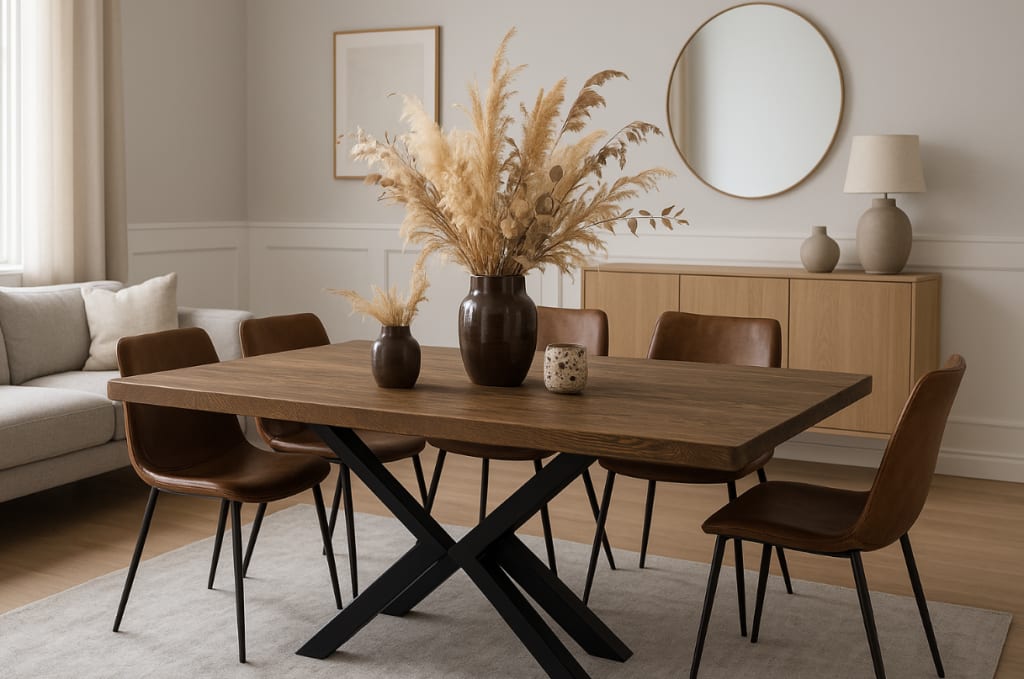
3D printing technology has revolutionized furniture manufacturing, transforming wooden piece creation with unprecedented design possibilities. This fabrication method builds intricate wooden furniture through computer-controlled layering of wood-based materials, achieving details and structures previously impossible with traditional woodworking. Designers now produce wooden plank tables featuring complex geometric patterns, chairs with organic body-conforming shapes, and storage solutions with customized internal structures. The fusion of traditional woodworking wisdom with digital fabrication precision has disrupted both bespoke and production-scale furniture printing operations. As 3D printing equipment becomes more accessible, woodworkers and designers experiment with sustainable materials while preserving the natural warmth and character that draws people to wooden furniture in their homes and workspaces.
The Technical Revolution in Wooden Furniture Production
The integration of 3D printing into wooden furniture manufacturing represents a fundamental shift in production capabilities. Traditional woodworking relies on subtractive methods - cutting, carving, and removing material to achieve the desired form. 3D printing flips this approach entirely by using additive manufacturing, building objects layer by layer according to digital designs.
This technological leap allows for previously unimaginable wooden structures. Specialized 3D printers now work with various wood-based filaments containing actual wood fibers mixed with binding polymers. These materials maintain the natural grain patterns and tactile qualities people love about wooden furniture while enabling complex geometries.
The technical process begins with digital modeling software where designers create detailed furniture blueprints. These designs can incorporate internal structures that would be impossible to achieve with traditional woodworking tools. For wooden plank tables, this might mean intricate honeycomb internal supports that provide strength while reducing material usage.
The digital files are then sliced into thousands of horizontal layers by specialized software. Each layer represents a cross-section of the final piece, providing instructions for the 3D printer's deposition system.
Modern wood furniture printing systems vary in scale and capability. Smaller desktop units suit component production, while industrial-sized machines can print entire wooden chairs, tables, or storage units in one operation. The printing process itself requires precise temperature control to ensure proper material flow and adhesion between layers. After printing, pieces often undergo post-processing treatments like sanding and finishing to enhance their appearance and durability. For instant this would be need in order to get a beautiful 3D printet table.
What makes this approach revolutionary for furniture production is the elimination of many traditional manufacturing constraints. Complex joints that would require master craftsmanship can be printed directly into the structure. Curved wooden elements no longer demand steam-bending or expensive molding. Custom furniture printing allows for on-demand production without expensive tooling changes, dramatically reducing waste compared to traditional manufacturing.
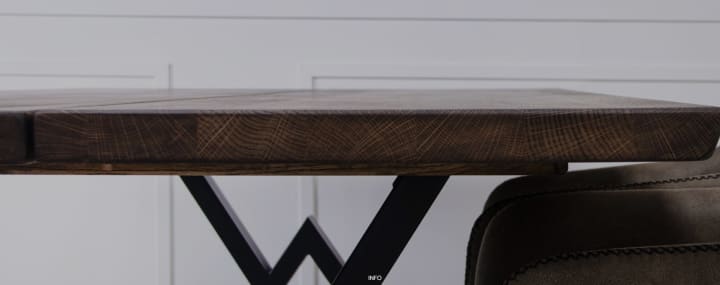
Design Freedom and Customization Possibilities
3D printing has demolished the design constraints that have limited wooden furniture creation for centuries. Designers working with this technology can now explore forms that defy traditional manufacturing logic, creating wooden structures with organic curves, variable thicknesses, and intricate details that would be prohibitively expensive or impossible through conventional methods.
The computational design tools paired with 3D printing enable parametric furniture - pieces that adjust automatically based on input variables like user height, room dimensions, or ergonomic requirements. A wooden plank table can now feature legs that gradually morph from square to round, with thickness varying precisely according to structural load calculations.
The customization potential transforms the relationship between consumers and their furniture. Buyers can modify designs to match exact specifications - adjusting dimensions to fit specific spaces, tweaking ergonomic factors to address physical needs, or personalizing aesthetic elements to complement existing décor. This level of tailoring was previously available only to those who could afford custom woodworking, but furniture printing democratizes this personalization.
Small-batch production becomes economically viable through 3D printing, allowing designers to create limited edition wooden furniture collections without massive upfront costs. This shift supports independent furniture designers who can now test market concepts without committing to large production runs.
The design possibilities extend to internal structures as well. 3D printed wooden furniture can incorporate complex internal geometries that optimize strength while minimizing material usage. A chair might feature an internal lattice structure that provides rigidity where needed while remaining flexible in areas that contact the body. These sophisticated internal architectures remain invisible to the user but dramatically improve performance characteristics. The technology also permits embedding functional elements directly into wooden pieces during printing - channels for wiring, connection points for modular expansion, or even integrated hinges that eliminate the need for separate hardware components.
Material Innovations in 3D Printed Wood Furniture
The evolution of 3D printing wooden furniture hinges on groundbreaking material science developments. Traditional wood filaments, initially limited in structural capability, have undergone remarkable transformation. Current wood-polymer composites combine actual wood fibers with binding materials to create printable substances that maintain authentic wooden characteristics while enabling precise digital fabrication.
Material scientists have developed specialized wood-based filaments with varying characteristics to suit different furniture applications:
High-density wood composites: Contain up to 40% wood fiber content, producing pieces with substantial weight and solidity comparable to traditional hardwoods. Ideal for wooden plank table tops and structural components.
Flexible wood filaments: Incorporate elastomeric polymers with wood particles, creating components that flex without breaking. Perfect for ergonomic chair backs and seats.
Gradient-density materials: Feature varying wood fiber concentrations throughout a single print, allowing regions of different hardness and flexibility within one continuous piece.
Bio-based binders: Replace petroleum-based polymers with plant-derived alternatives, making the entire furniture piece more environmentally sustainable.
Color-infused wood materials: Blend natural wood fibers with non-toxic colorants, eliminating the need for post-production staining or painting.
The post-processing capabilities of these materials have similarly advanced. After printing, wooden furniture components can undergo traditional woodworking treatments like sanding, staining, and sealing. Some newer materials even respond to heat treatment, allowing for controlled darkening similar to traditional wood scorching techniques.
Researchers continue pushing material boundaries, exploring ways to incorporate recycled wood waste into printable filaments. This approach transforms discarded wooden pallets, construction scraps, and manufacturing byproducts into raw material for high-value furniture production. But don't expect the same level of design and quality as Danish design furniture or something groundbreaking.
The tactile qualities of these advanced materials deserve special mention. Early wood filaments produced pieces that looked wooden but felt distinctly plastic to the touch. Modern formulations have overcome this limitation, creating surfaces with the temperature response, grain texture, and patina development characteristic of natural wood. The latest generation of wood printing materials even captures the distinctive scent of natural timber, further enhancing the multisensory experience of 3D printed wooden furniture.
Commercial Applications and Market Impact
The furniture industry has begun embracing 3D printing technology across various market segments, from high-end boutique studios to mass-market retailers. Pioneering design firms now leverage 3D printing to create signature wooden pieces that showcase technical virtuosity impossible through traditional methods. These statement pieces often serve as brand differentiators, commanding premium prices while establishing the designer's reputation for innovation.
Several Scandinavian furniture brands have incorporated 3D printed components into their wooden furniture lines, maintaining their minimalist design language while adding previously impossible organic elements.
The technology's impact extends beyond luxury markets. Mid-range furniture manufacturers have started integrating 3D printed wooden components into otherwise traditionally constructed pieces. This hybrid approach allows companies to enhance conventional furniture with complex decorative elements or specialized functional features without completely overhauling production systems. A wooden plank table might feature conventional solid wood surfaces with 3D printed joinery systems that eliminate visible hardware while strengthening the structure.
For consumers, the most noticeable market shift comes through customization platforms. Several furniture retailers now offer web-based interfaces where customers can modify wooden furniture designs within set parameters, with the resulting pieces produced through 3D printing. This mass customization approach strikes a balance between standardized mass production and fully bespoke furniture, providing personalization at moderate price premiums.
The digital nature of 3D printing also enables distributed manufacturing models, where designs are sent electronically to production facilities near the end customer, reducing shipping costs and delivery times.
The business models surrounding 3D printed wooden furniture continue evolving rapidly. Subscription services now provide access to furniture design libraries, allowing customers to print new pieces or replacement parts at local fabrication centers. Some forward-thinking companies have even launched furniture-as-a-service models, where 3D printed wooden pieces can be returned, recycled, and reprinted in new configurations as customer needs change. The manufacturing flexibility inherent to 3D printing supports this circular approach by eliminating the tooling costs associated with design changes.
Merging Tradition with Technology
3D printing has fundamentally altered the wooden furniture landscape by bridging technological innovation with traditional craftsmanship values. This manufacturing approach combines the warmth and authenticity of wood with unprecedented design freedom and customization possibilities. As the technology matures, we're witnessing rapid improvements in material quality, structural performance, and surface finish that increasingly rival conventionally manufactured wooden furniture.
The shift toward digital fabrication doesn't represent the end of woodworking tradition but rather its evolution. Many furniture makers now blend hand-finishing techniques with 3D printed components, creating hybrid pieces that honor woodworking heritage while embracing new capabilities.
This synthesis preserves the soul of wooden furniture craftsmanship while expanding its design language. The environmental implications remain significant, with 3D printing potentially reducing waste through precise material usage and enabling more effective recycling of wooden materials.
Furniture printing technology continues advancing rapidly, with larger build volumes, faster printing speeds, and improved material options emerging regularly. These developments push wooden furniture design into previously unexplored territory while maintaining the essential connection to wood's natural beauty and tactile qualities that have made it the preferred furniture material throughout human history.
About the Creator
Michael Nielsen
Working with interior design and home decoration. Enjoy blogging and having a good time with friends and family. Got two cats and a mountain bike I don't quite use enough.
Keep reading
More stories from Michael Nielsen and writers in 01 and other communities.
My Honest Take on the Asta Oak Dining Table
We'd been eating off a wobbly IKEA table for three years when my partner finally put their foot down. "We're getting a proper dining table," they announced after it collapsed during a dinner party. Embarrassing doesn't begin to cover it.
By Michael Nielsen8 months ago in 01
Becca
"Everything is so... flat." Denille said stupidly as she looked around her new neighborhood. She looked around at the muted desert where even the smallest sign of life seemed to have given up. The plant life was shrubs that were half cooked by the heat and where there should have been a lawn, a mess of white rocks laid glistening in the sun. Even the sky looked stretched thin, like the sun had ironed it smooth. She’d moved from Riverside, where at least there were hills, but here in Barstow, everything felt baked and brittle.
By Sara Wilson7 days ago in Fiction




Comments