
Danish Design Furniture
Why danish furniture is still so popular around the world
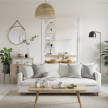
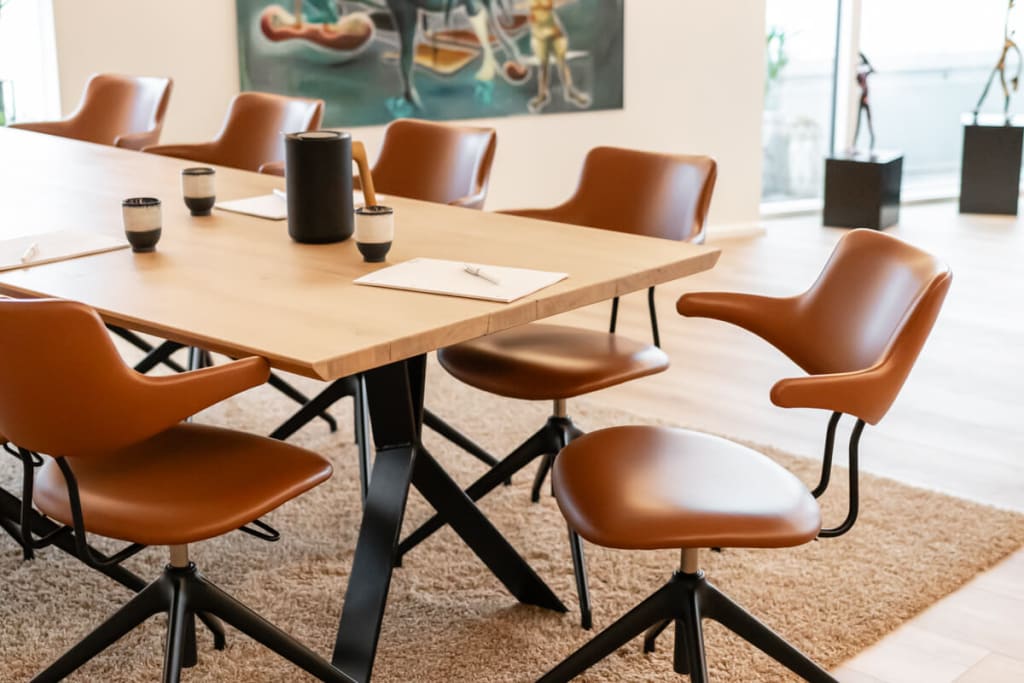
Danish furniture has remained a favorite across the globe for decades, thanks to its unique blend of simplicity, practicality, and elegance. Each piece feels thoughtfully crafted, with clean lines and an understated beauty that suits almost any interior. It’s not just furniture – it’s an approach to design that values both function and aesthetics equally.
The success of Danish furniture can be traced back to its deep roots in craftsmanship and a focus on natural materials like wood, leather, and wool. These designs often reflect a timeless quality, making them as relevant today as when they were first created. Pioneering designers like Hans J. Wegner and Arne Jacobsen shaped this approach, and their influence is still seen in modern furniture-making.
People across generations have embraced Danish furniture for its ability to elevate any room while remaining functional. Whether in a family home, an office, or a public space, Danish furniture has a way of fitting in seamlessly, bringing both comfort and style.
The Timeless Appeal of Danish Furniture
One of the main reasons Danish furniture remains so popular is its timeless appeal. The designs are simple yet elegant, avoiding trends that quickly fade. Instead, Danish furniture focuses on clean lines, natural materials, and a minimalist aesthetic that feels relevant no matter the era. A chair or table designed decades ago can still look modern and fresh in today’s homes, which is a testament to the enduring quality of this design philosophy.
The materials used in Danish furniture play a big role in this lasting appeal. Woods like oak, teak, and walnut are often paired with leather or soft fabrics in neutral tones, creating a natural, calming look. This careful use of materials doesn’t just make the furniture beautiful – it also ensures durability. Many classic Danish designs are passed down through generations, still as functional and stylish as the day they were made.
This combination of timeless design and quality materials makes Danish furniture more than just a practical choice. It becomes part of the home’s character, adding warmth and personality while remaining effortlessly stylish.
Craftsmanship at the Heart of Danish Furniture
Danish furniture is renowned for its exceptional craftsmanship. Each piece is designed with attention to detail and a commitment to quality that ensures it will last for years. This focus on skilled craftsmanship is one of the key reasons why Danish furniture has earned such a loyal following around the world.
Traditional woodworking techniques are often combined with innovative approaches, resulting in furniture that feels both classic and modern. For example, Hans J. Wegner’s iconic chairs showcase the beauty of wood through expertly curved forms and seamless joints. These details not only make the furniture visually appealing but also enhance its strength and durability.
Another well known hallmark of Danish craftsmanship is the respect for materials. Designers and makers prioritize sustainable, high-quality resources like solid wood, leather, and natural fabrics. This dedication ensures that each piece not only looks beautiful but also ages gracefully, developing character over time.
Beyond its practicality, Danish furniture reflects a philosophy of creating things that are meant to be lived with and appreciated every day. It’s not just about making something functional – it’s about making something that enriches the space it occupies. This attention to both form and function has solidified Danish furniture’s reputation as a standard for quality and design across generations.

Simplicity That Fits Everywhere
One of the standout qualities of Danish furniture is its simplicity. The clean lines and uncluttered designs make it incredibly versatile, fitting seamlessly into a variety of interiors. Whether it’s a modern apartment, a rustic home, or a professional office, Danish furniture has a way of blending in while still making a statement.
This simplicity doesn’t mean the designs are basic or dull. Instead, they’re carefully thought out to ensure every detail serves a purpose. Take, for example, Arne Jacobsen’s Egg Chair. Its sculptural shape is striking yet functional, providing both comfort and style without feeling overdone. This balance is what makes Danish furniture so appealing – it enhances a space without overwhelming it.
For many one main advantage is the minimalist approach and its timelessness. While trends come and go, the understated elegance of Danish furniture remains constant. A well-crafted Danish piece purchased today will look just as relevant and beautiful decades down the line. This enduring quality makes it an investment that pays off in both style and longevity.
Danish furniture’s simplicity also makes it easy to pair with other styles. Whether your home leans toward Scandinavian minimalism, mid-century modern, or even something more eclectic, a Danish piece will complement the space effortlessly. This ability to adapt and add value to any room is a big part of why Danish furniture remains so popular worldwide.
Simplicity That Fits Everywhere
One of the standout qualities of Danish furniture is its simplicity. The clean lines and uncluttered designs make it incredibly versatile, fitting seamlessly into a variety of interiors. Whether it’s a modern apartment, a rustic home, or a professional office, Danish furniture has a way of blending in while still making a statement.
This simplicity doesn’t mean the designs are basic or dull. Instead, they’re carefully thought out to ensure every detail serves a purpose. Take, for example, Arne Jacobsen’s Egg Chair. Its sculptural shape is striking yet functional, providing both comfort and style without feeling overdone. This balance is what makes Danish furniture so appealing – it enhances a space without overwhelming it. Or Phil Hansens beautiful plank table in natural oak wood, another classic in Danish design.
Another advantage of this minimalist approach is its timelessness. While trends come and go, the understated elegance of Danish furniture remains constant. A well-crafted Danish piece purchased today will look just as relevant and beautiful decades down the line. This enduring quality makes it a purchase that pays off in both style and longevity.
Danish furniture’s simplicity also makes it easy to pair with other styles. Whether your home leans toward Scandinavian minimalism, mid-century modern, or even something more eclectic, a Danish piece will complement the space effortlessly. This ability to adapt and add value to any room is a big part of why Danish furniture remains so popular worldwide.
A Strong Connection to Nature
Danish furniture often reflects a deep connection to nature, both in the materials used and the overall design philosophy. Natural elements like wood, leather, and wool are staples in Danish furniture, chosen not only for their durability but also for the sense of warmth and calm they bring to a space. This emphasis on organic materials helps create a connection between the furniture and its surroundings, making a home feel grounded and welcoming.
The use of wood is particularly prominent. Designers like Børge Mogensen and Finn Juhl celebrated the natural beauty of timber, allowing its grain and texture to take center stage. Teak, oak, and walnut are common choices, with finishes that highlight their inherent character. This respect for natural materials ensures that each piece feels authentic and timeless.
Beyond the materials, the forms themselves often echo nature. Soft curves, flowing lines, and ergonomic shapes make Danish furniture not only beautiful but also comfortable and practical. This approach reflects the Scandinavian principle of “hygge” – the idea of creating spaces that feel cozy and inviting.
By prioritizing sustainability and natural resources, Danish furniture makers have also stayed ahead of modern environmental concerns. Many manufacturers focus on responsible sourcing and eco-friendly production processes, ensuring their creations have minimal impact on the planet. This commitment to nature further solidifies the appeal of Danish furniture in an era where people increasingly value sustainability and quality over disposable trends.
Why Danish Furniture Will Always Have a Place in Our Homes
Danish furniture has earned its lasting popularity by staying true to the principles of quality, simplicity, and functionality. Its timeless designs ensure that each piece feels relevant no matter how tastes evolve, while the craftsmanship and use of natural materials guarantee durability and beauty that stand the test of time.
More than just furniture, Danish design represents a philosophy of living – one that values comfort, practicality, and a connection to nature. Whether it’s a sculptural chair in a modern living room or a wooden dining table passed down through generations, Danish furniture brings warmth, elegance, and character to any space.
Its enduring appeal lies in its ability to adapt to different styles and settings without losing its essence. Danish furniture doesn’t just fill a room; it enhances it, making homes feel more personal and inviting. It’s this unique combination of thoughtful design and everyday usability that ensures Danish furniture will continue to be cherished around the world for years to come.
About the Creator
Michael Nielsen
Working with interior design and home decoration. Enjoy blogging and having a good time with friends and family. Got two cats and a mountain bike I don't quite use enough.
Keep reading
More stories from Michael Nielsen and writers in Lifehack and other communities.
The Different Types of Kitchen Chairs
The kitchen is more than just a place for cooking; it’s where people gather, share meals, and connect. Normally we just look at the cabinets, the kitchen table and all of that, but the kitchen chairs are actually a big part of the kitchen if you are into interior design. The choice of kitchen chairs plays a big role in making this space both practical and inviting. Whether your kitchen reflects a modern, minimalist style or a more traditional look, the right chairs can complement the room while providing the comfort needed for everyday use.
By Michael Nielsenabout a year ago in Lifehack
DIY Herbal Remedies Anyone Can Make
There's something deeply satisfying about growing your own medicinal herbs. For centuries, our ancestors relied on backyard gardens not just for food, but for natural remedies that supported their health and well-being.
By Edward Smith2 days ago in Lifehack
Zojirushi BB-CEC20 Vs BB-PDC20: Which One Should You Buy?
Choosing between the Zojirushi BB-CEC20 Vs BB-PDC20 can feel tricky when both promise great homemade bread. I like how each model focuses on ease and consistent results, but I notice small differences that matter for everyday baking in a typical U.S. kitchen. Here’s how the Zojirushi BB-CEC20 vs BB-PDC20 compares so you can quickly decide which one fits your routine best.
By Mohammed mamunabout 24 hours ago in Lifehack




Comments