
10 Reasons Developers Love Enterprise Mobile App Development Platforms
Simplifying Development: How Enterprise Platforms Revolutionize Mobile App Creation for Businesses

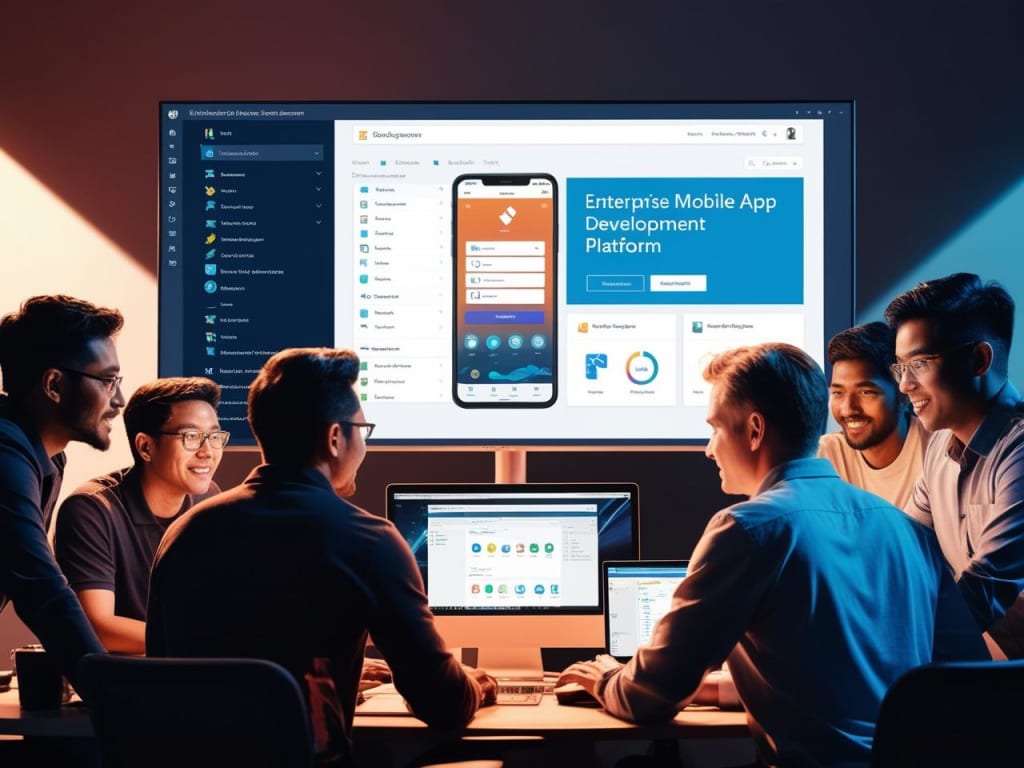
Developing mobile apps for businesses is no small feat. It involves balancing speed, scalability, and security while meeting enterprise demands. Developers face tight deadlines, resource constraints, and ever-evolving user expectations. That’s where enterprise mobile app development platforms step in to make life easier.
These platforms simplify complex development tasks, helping developers focus on building innovative, robust apps. Let’s dive into the top 10 reasons why developers love these platforms, with real-world examples to highlight their impact.
What Are Enterprise Mobile App Development Platforms?
Enterprise mobile app development platforms are tools or environments that streamline creating, managing, and deploying business apps. They offer everything from pre-built components to secure integration with enterprise systems.
These platforms cater to businesses looking for scalable and secure apps that can run seamlessly across devices. For example, imagine a logistics company needing an app to track shipments in real time. An enterprise platform can enable developers to build and deploy this solution faster and more efficiently.
Why Developers Choose Enterprise Mobile App Platforms
With businesses demanding smarter and faster solutions, developers turn to these platforms for a reason. Here are the top 10 reasons they swear by them:
1. Simplified Cross-Platform Development
Building apps for iOS, Android, and web can be overwhelming. Enterprise platforms, like Xamarin or Flutter, make cross-platform development seamless.
For example, a retail company might need an app for both iPhone and Android users. Using these tools, developers write one codebase and deploy it across platforms. It saves time, effort, and headaches.
2. Low-Code/No-Code Development Features
Not every project needs extensive coding. Many platforms offer low-code/no-code tools that empower developers to build apps quickly.
Consider a small IT team creating an internal workflow app. Using platforms like OutSystems or Zoho Creator, they can drag and drop components, speeding up delivery.
3. Robust Integration Capabilities
Enterprises rely on legacy systems like CRM, ERP, or HR software. Developers love platforms that offer easy API integration with these systems.
For instance, a healthcare provider using Salesforce can integrate patient data into their mobile app with minimal effort. This ensures seamless functionality and enhances user experience.
4. Enterprise-Grade Security
Security is non-negotiable in enterprise apps. Platforms like Microsoft Power Apps prioritize encryption, multi-factor authentication, and compliance standards.
Imagine a banking app that handles sensitive transactions. With built-in security features, developers ensure the app meets enterprise-level security standards, safeguarding user trust.
5. Scalable Architecture
As businesses grow, their app needs evolve. Developers prefer platforms that offer scalable architecture to handle increased traffic and functionality.
For example, an e-commerce app with 1,000 daily users may suddenly need to support 10,000 users during sales. Platforms like AWS Amplify can scale resources automatically to meet this demand.
6. Enhanced Collaboration and Workflow Tools
Developers often work in teams. Enterprise platforms include collaboration tools for version control, task management, and code sharing.
Take a tech startup building an app under a tight deadline. Using platforms with DevOps integration, team members can collaborate in real time, reducing errors and ensuring faster delivery.
7. Advanced Testing and Debugging Tools
Bugs and crashes are a developer’s nightmare. Enterprise platforms come with testing environments to detect issues early.
For instance, a food delivery app can simulate high traffic during testing. This ensures a smooth experience for users during peak times. Platforms like Firebase and TestFlight make this process easy and reliable.
8. Cost-Effective Development
Enterprise platforms reduce costs by offering reusable components and pre-built templates. Developers can create feature-rich apps without starting from scratch.
For example, an education provider needing an app for online courses can use templates from platforms like AppGyver. This minimizes costs while delivering quality results.
9. AI and Automation Features
AI-powered tools are a game-changer in app development. Platforms now integrate AI and automation features, simplifying tasks like chatbot integration or personalized recommendations.
Think of an e-commerce app suggesting products based on user preferences. AI capabilities in platforms like IBM Watson make this possible, delighting users with tailored experiences.
10. Continuous Updates and Support
Technology evolves rapidly, and platforms must keep up. Developers value platforms that offer regular updates and responsive support.
For instance, a global consulting firm using SAP Mobile Platform receives timely updates that ensure their app stays compliant and functional across all devices.
Benefits of Enterprise Mobile App Platforms for Businesses
It’s not just developers who benefit—businesses thrive too. These platforms accelerate digital transformation, enabling enterprises to:
- Deliver apps faster, meeting market demands.
- Ensure high levels of security and compliance.
- Scale apps easily to match business growth.
- Provide a seamless user experience across devices.
For example, a logistics company digitizing its operations with an app saw a 30% boost in efficiency. This wouldn’t have been possible without a reliable enterprise platform.
How to Choose the Right Enterprise Mobile App Development Platform
With so many platforms available, selecting the right one is crucial. Here are some criteria to consider:
- Scalability: Can it handle future growth?
- Integration Capabilities: Does it support APIs and legacy systems?
- Security Features: Does it meet compliance standards?
- Ease of Use: Is it developer-friendly?
- Cost: Is it within your budget?
Platforms like Appian, Kony, and OutSystems excel in these areas, making them popular choices.
Final Thoughts: Why Developers Love These Platforms
Enterprise mobile app development platforms are more than tools—they’re enablers of innovation. By simplifying complex tasks, enhancing collaboration, and ensuring security, these platforms empower developers to deliver their best work.
Whether you’re a developer or a business leader, these platforms hold the key to building smarter, faster, and more secure apps. Start exploring today and see the difference they can make in your next project.
Ready to transform your app development journey? Explore top platforms and discover the best fit for your needs today!
About the Creator
LBM Solution
LBM Solution is a top provider of cutting-edge Mobile App Solutions and blockchain services for businesses and government organizations globally. We assist our clients in overcoming complex business challenges
Keep reading
More stories from LBM Solution and writers in 01 and other communities.
How Blockchain is Transforming Industries Beyond Finance
Blockchain technology has long been associated with the financial sector, thanks to the rise of cryptocurrencies such as Bitcoin and Ethereum. However, blockchain's development services extend far beyond finance. As a decentralized, immutable ledger technology, blockchain is now being adopted across various industries, offering transparency, security, and efficiency in ways that are transforming business operations. From supply chain management to healthcare and government sectors, blockchain is proving to be a versatile solution that enhances productivity, trust, and innovation.
By LBM Solutionabout a year ago in 01
JobWeiterbildung Scales Training Infrastructure to Address Mandatory Regulatory Requirements in Germany
Germany is renowned for its stringent regulatory framework, particularly concerning professional qualifications and continuous education. The concept of "Weiterbildung", which translates to further education or continuing professional development, is not merely encouraged but often legally mandated across a diverse range of industries. This pervasive requirement ensures that professionals across the nation consistently uphold high standards of competence, adapt to evolving industry practices, and comply with crucial safety protocols. For both individuals seeking to advance their careers and businesses striving to maintain operational legality and excellence, understanding and adhering to these mandates is paramount. The landscape of German professional development is complex, requiring a clear strategy to identify, access, and successfully complete the necessary training modules that are often tied to specific sectors and roles, preventing potential legal pitfalls and ensuring a skilled workforce.
By charliesamuelabout 8 hours ago in 01
Autonomy Is The Real Privilege
Good morning, freedom-seekers! Today we’re gonna be looking at autonomy. A strange word, I know; one many would probably look at blankly and run away from on sight. We’re gonna figure out what it actually means, consider how it’s achieved, and decipher just how deeply most of us are tangled up in dependence without realising it.
By That ‘Freedom’ Guya day ago in Humans




Comments
There are no comments for this story
Be the first to respond and start the conversation.