
JobWeiterbildung Scales Training Infrastructure to Address Mandatory Regulatory Requirements in Germany
How JobWeiterbildung Expands Certified Training to Help German Professionals Stay Compliant, Skilled, and Career-Ready

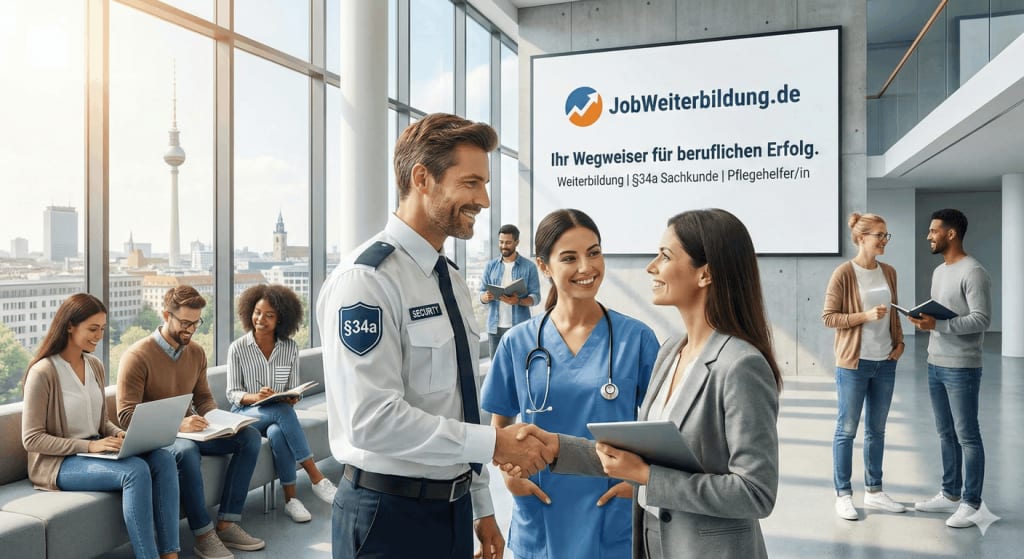
Germany is renowned for its stringent regulatory framework, particularly concerning professional qualifications and continuous education. The concept of "Weiterbildung", which translates to further education or continuing professional development, is not merely encouraged but often legally mandated across a diverse range of industries. This pervasive requirement ensures that professionals across the nation consistently uphold high standards of competence, adapt to evolving industry practices, and comply with crucial safety protocols. For both individuals seeking to advance their careers and businesses striving to maintain operational legality and excellence, understanding and adhering to these mandates is paramount. The landscape of German professional development is complex, requiring a clear strategy to identify, access, and successfully complete the necessary training modules that are often tied to specific sectors and roles, preventing potential legal pitfalls and ensuring a skilled workforce.
The scope of mandatory weiterbildung extends far beyond basic entry-level qualifications, encompassing regular updates, specialized certifications, and skill enhancements essential for maintaining professional licenses and operational permits. Industries such as healthcare, security, finance, and various skilled trades are subject to rigorous oversight, demanding that their workforce demonstrates ongoing proficiency and knowledge acquisition. This continuous learning imperative underscores Germany's commitment to quality and safety, reinforcing public trust in professional services. However, this also presents a significant logistical challenge for training providers who must scale their offerings to meet the demand, ensuring accessibility and relevance of programs like those for Pflegehelfer/in and security personnel requiring §34a Sachkunde. The sheer volume of professionals requiring diverse training pathways necessitates a robust and adaptable educational infrastructure capable of delivering high-quality, compliant courses efficiently and effectively.
Failure to comply with these mandatory weiterbildung requirements can lead to severe consequences, including hefty fines, loss of professional accreditation, and even operational shutdowns for businesses. This emphasizes the critical role of specialized training providers who can navigate this intricate regulatory environment and offer certified programs. The demand for such structured and compliant education is steadily increasing, driven by both new regulations and an aging workforce that necessitates upskilling and reskilling. Consequently, organizations like JobWeiterbildung are stepping up, strategically expanding their training infrastructure to cater to this growing need, ensuring that professionals can readily access the necessary certifications to maintain their legal standing and enhance their career prospects within Germany's highly regulated market. Their proactive approach is vital for supporting both individual career journeys and the broader economic stability through a consistently competent workforce.
Mastering Security Expertise: The §34a Sachkunde Mandate
In the German security sector, the §34a Sachkunde qualification is not merely a recommendation but a fundamental legal requirement for anyone intending to work in specific areas of the security industry. This mandate, derived from the German Trade, Commerce and Industry Regulation Act (Gewerbeordnung), ensures that security personnel possess the necessary legal, technical, and practical knowledge to perform their duties responsibly and effectively. It covers a broad spectrum of topics designed to equip individuals with the competence to handle potentially sensitive situations, understand their legal boundaries, and react appropriately to various security challenges. The importance of this certification cannot be overstated, as it directly impacts public safety and the professional integrity of the entire security services industry, making rigorous training absolutely indispensable for both new entrants and experienced professionals seeking to validate their expertise.
Achieving the §34a Sachkunde certification demonstrates a commitment to professional excellence and adherence to national standards. The comprehensive examination evaluates candidates on their understanding of critical areas relevant to security operations. This rigorous assessment ensures that certified professionals are not only knowledgeable but also capable of applying their learning in real-world scenarios, thereby mitigating risks and ensuring compliance with regulatory frameworks. For individuals, this certification unlocks numerous career opportunities within the thriving German security market, while for employers, it guarantees that their staff meets the stringent legal requirements, enhancing credibility and operational effectiveness. JobWeiterbildung is acutely aware of the crucial need for high-quality, accessible training in this domain, offering programs designed to thoroughly prepare candidates for this essential qualification.
The training for §34a Sachkunde typically encompasses a variety of modules crucial for effective security work. These include:
• Public Law and Powers: Understanding legal frameworks, including basic human rights, criminal law, and procedural law relevant to security personnel's actions and limitations.
• Security Technology and Equipment: Knowledge of alarm systems, surveillance technologies, access control systems, and their appropriate use and maintenance in various security contexts.
• Handling Difficult Situations: Training in de-escalation techniques, conflict resolution, first aid, and appropriate responses to emergencies and aggressive behavior, crucial for maintaining safety.
• Specific Duties of Security Personnel: Detailed instruction on tasks such as guarding property, personal protection, event security, and managing security at public transport facilities, ensuring a clear understanding of job-specific responsibilities.
• Data Protection and Professional Ethics: Awareness of data privacy laws (e.g., GDPR) and the ethical considerations that govern security work, promoting responsible and compliant conduct in all duties.
Successfully navigating these areas is vital for any aspiring security professional in Germany, underscoring the necessity of comprehensive weiterbildung.
Empowering Healthcare Professionals: Specialized Training for Pflegehelfer/in
The healthcare sector in Germany faces immense pressure, characterized by an aging population, increasing demand for care services, and a persistent shortage of skilled personnel. Within this challenging environment, Pflegehelfer/in (nursing assistants) play an absolutely vital role, forming the backbone of direct patient care in hospitals, nursing homes, and in-home care settings. Their responsibilities often include assisting with daily living activities, monitoring vital signs, and providing emotional support to patients, significantly contributing to the quality of life for those under their care. However, the complexity of patient needs and the evolving medical landscape necessitate continuous professional development, making specialized weiterbildung for these crucial healthcare professionals not just beneficial, but often mandatory for maintaining high standards of care and patient safety across the entire system.
Specialized training programs for Pflegehelfer/in are meticulously designed to enhance their practical skills, deepen their theoretical knowledge, and keep them updated on the latest healthcare protocols and technologies. These programs often cover advanced aspects of geriatric care, dementia support, palliative care, and specific medical procedures that, while supervised, require a strong foundation of competence from the assistant. Such focused weiterbildung enables nursing assistants to perform their duties with greater confidence and proficiency, directly improving patient outcomes and alleviating some of the workload from registered nurses. Furthermore, continuous learning helps them adapt to new challenges, such as integrating digital tools in care documentation or managing increasingly complex medication regimes, ultimately ensuring a resilient and highly capable care workforce ready for future demands.
Investing in the weiterbildung of Pflegehelfer/in is an investment in the overall quality and sustainability of the German healthcare system. Beyond regulatory compliance, it empowers these dedicated professionals with opportunities for career progression, fostering a sense of value and encouraging retention within a high-demand sector. Providing access to accredited and relevant training programs, such as those offered by JobWeiterbildung, is essential for addressing the skills gap and ensuring that patients receive compassionate, competent care. These specialized courses also focus on soft skills like communication, empathy, and cultural sensitivity, which are indispensable for holistic patient support, demonstrating that comprehensive training extends well beyond purely technical competencies. It's about nurturing well-rounded individuals who can provide exceptional care.
JobWeiterbildung's Scaled Infrastructure: A Commitment to Professional Development
Recognizing the critical need for accessible and high-quality mandatory professional development in Germany, JobWeiterbildung has proactively invested in significantly scaling its training infrastructure. This strategic expansion is a direct response to the escalating demand for certified professionals in sectors governed by strict regulatory requirements, such as those needing §34a Sachkunde for security roles and specialized weiterbildung for Pflegehelfer/in. Our commitment extends beyond merely offering courses; we aim to provide a comprehensive, flexible, and nationally available training ecosystem that empowers individuals to meet their career goals and enables businesses to maintain compliance and excellence. This scaling involves not only physical expansion but also a robust integration of digital learning solutions, ensuring broad reach and consistent quality across all our programs, making essential certifications more attainable than ever before for a diverse range of learners.
JobWeiterbildung's scaled infrastructure is built on a foundation of pedagogical excellence and technological innovation. We understand that effective weiterbildung requires more than just content delivery; it demands engaging instructional methods, practical application, and supportive learning environments. Our expanded network now includes state-of-the-art training facilities equipped with modern tools and resources, alongside a sophisticated online learning platform that supports hybrid and fully remote training models. This flexibility is crucial for accommodating the diverse schedules and geographical locations of our learners, particularly those already working in demanding fields like healthcare or security. By prioritizing both accessibility and instructional quality, JobWeiterbildung ensures that every participant receives the best possible preparation for their mandatory certifications and subsequent professional challenges, fostering a highly skilled workforce across Germany.
Our commitment to professional development is reflected in the tangible benefits offered by our enhanced infrastructure. JobWeiterbildung’s expanded capabilities ensure that individuals and companies alike can confidently navigate the complex world of mandatory certifications. Key features of our scaled infrastructure include:
• Extensive Course Portfolio: A broad range of specialized programs covering critical mandates like §34a Sachkunde and targeted weiterbildung for Pflegehelfer/in, ensuring comprehensive coverage for various industries.
• Flexible Learning Options: Offering both in-person sessions at multiple new locations and advanced online/hybrid formats, providing unparalleled convenience and accessibility for all learners.
• Expert Instructors and Modern Facilities: Employing highly qualified, industry-experienced trainers and utilizing up-to-date educational technologies and well-equipped classrooms to maximize learning outcomes.
• Dedicated Support Services: Providing robust guidance for course selection, registration, and post-training support, ensuring a seamless and positive learning experience for every participant.
• Nationwide Reach and Partnerships: Expanding our geographical footprint through new training centers and collaborating with industry partners to better serve diverse regional needs and demands across Germany.
This comprehensive approach reinforces JobWeiterbildung's position as a leading provider of essential professional training.
About the Creator
Keep reading
More stories from charliesamuel and writers in 01 and other communities.
Understanding 925 Sterling Silver Jewelry: History, Craft, and Modern Relevance
Jewelry has been a part of human culture for thousands of years, serving purposes that extend far beyond decoration. Among the many materials used in adornment, 925 sterling silver jewelry holds a distinct and enduring place. Known for its balance of beauty, durability, and accessibility, sterling silver continues to be valued across cultures and generations.
By charliesamuel8 days ago in 01
Who’s Leading Fintech in 2026? Top App Development Companies
When it comes to building secure, scalable, and innovative financial solutions — from digital banking platforms and payment systems to AI-driven risk tools — picking the right partner can make or break your success. In 2026, fintech is evolving faster than ever, powered by AI, cloud-native architectures, blockchain, and embedded finance. Below are the foremost companies shaping the future of fintech technology.
By Aarti Jangid2 days ago in 01
Musk wants up to $134B in OpenAI lawsuit, despite $700B fortune
Elon Musk wants a jaw-dropping $79 billion to $134 billion in damages from OpenAI and Microsoft, claiming the AI company defrauded him by jettisoning its nonprofit mission, Bloomberg first reported. The figure comes from expert witness C. Paul Wazzan, a financial economist whose bio says he has been deposed nearly 100 times and testified at trial more than a dozen times in complex commercial litigation cases.
By Dena Falken Esq4 days ago in 01
The CEO of Everything
They say "jack of all trades, master of none," but they forgot to mention the part where the jack of all trades is also the camera woman, the makeup artist, and the person currently yelling at a tangled Wii microphone cable in a her own bathroom while recording herself singing and trying to make it look realistic and professional. (As professional as you can make it with nothing but a cell phone camera and a mic that doesn't work)
By Sara Wilson4 days ago in Humans


Comments
There are no comments for this story
Be the first to respond and start the conversation.