
Why Material Moisture Content Can Make or Break Your Gravel Crusher’s Performance
Material Moisture Content Impact Your Gravel Crusher’s Performance


Crushing gravel is a straightforward process—until moisture levels come into play. Excessive material moisture can severely degrade a crusher’s performance, leading to inefficiencies, component strain, and costly downtimes. While moisture content might seem like a minor variable, it directly influences crushing efficiency, operational continuity, and maintenance demands. Neglecting it can result in material handling nightmares, drastically reducing productivity.
Impact on Crushing Efficiency
Understanding how moisture alters material behavior during crushing is critical. When water binds with fine particles, it causes clumping, reducing the material’s ability to flow freely through the gravel crusher. This leads to inconsistent feeding, uneven crushing, and compromised output quality. Dry material fractures predictably under force, whereas damp aggregates resist breakage, absorbing energy that should be dedicated to fragmentation.
The consequences extend to increased energy consumption and wear on components. Crushers are designed to apply force to break down aggregates, but when moisture-laden material enters the chamber, it demands more force to achieve the same result. This extra strain accelerates wear on critical components like liners, hammers, and jaw plates. Moreover, excessive moisture promotes rust and corrosion, shortening the lifespan of mechanical parts and increasing operational costs.

Operational Challenges & Downtime
The most immediate issue arising from high moisture content is blockages, clogging, and reduced throughput. Sticky material accumulates within the crushing chamber, obstructing the free movement of aggregates. This disrupts production flow, forcing operators to pause operations for manual clearing. As accumulation worsens, aggregate crushers can jam entirely, leading to prolonged downtime and revenue loss.
Beyond throughput losses, maintenance demands and unplanned shutdowns increase dramatically. Excess moisture accelerates the degradation of conveyor belts, chutes, and screens by fostering material buildup. This necessitates frequent cleaning, lubrication, and part replacements, adding labor-intensive tasks that reduce overall operational efficiency. In severe cases, persistent moisture-related clogging can lead to catastrophic crusher failures, requiring extensive repairs or full equipment replacements.
Mitigation Strategies for Optimal Performance
Managing moisture content requires pre-treatment methods to control excess water. Operators often implement material drying techniques, such as stockpiling aggregates under cover, utilizing drainage systems, or applying mechanical drying processes. Additionally, blending damp materials with drier aggregates helps maintain a workable moisture balance, preventing excessive clumping and blockages.
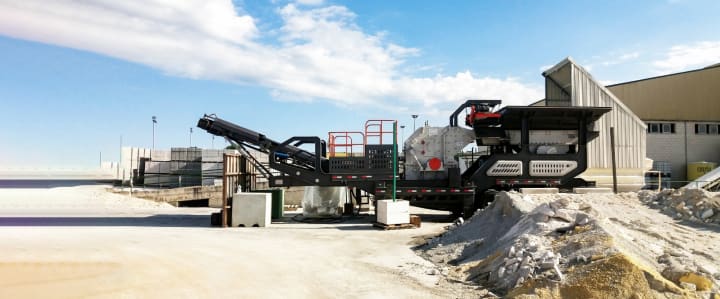
Selecting the right crusher and operational adjustments is equally essential. Some crushers handle moisture better than others; for example, impact crushers often cope better with wet material than jaw crushers, which rely on consistent material flow. Adjusting feed rates, modifying screen sizes, and employing anti-clogging devices also optimize performance in damp conditions. Operators must monitor moisture levels continuously and adapt processes to mitigate efficiency losses.
Material moisture content is a decisive factor in gravel crushing efficiency. High moisture levels disrupt throughput, accelerate wear, and lead to costly downtimes. Without proper moisture management strategies, crushing operations become inefficient and financially draining. Recognizing its impact and implementing preventive measures ensures uninterrupted production, prolonged equipment lifespan, and sustained profitability.
About the Creator
AIMIX
Construction Machine Manufacturer in China. Find Machines here: https://aimixconcretesolution.com/
Early March 2026: 4 Goals Accomplished
It's early March and I've now accomplished my 4th writing goal for the year of 2026. Before diving into the behind-the-scenes of it... why not tell you up front what that accomplishment was? I was published in a 2nd publication for this year. Published in Helix Literary Magazine out of Central Connecticut State University. You can read it for free right now!
By Stephen Kramer Avitabile5 days ago in Writers
Writing plans coming up
This is a quick drabble of my upcoming writing articles. First coming attractions in my opinion are a lot of book blurbs of old and new books that I have read, but not complete reviews just to create possible interest. Another idea I had was to offer in this day and age of keyboarding some typing lessons from an old typing textbook I had in high school. Also, I am planning on writing more of my Alphabet stories, as well as more of my art colorings for I just bought a new Bible coloring book. I hope you share thoughts.
By Mark Graham4 days ago in Writers




Comments