
Why Is Islam Called the Religion of Peace?
Islam emphasizes harmony, justice, and compassion
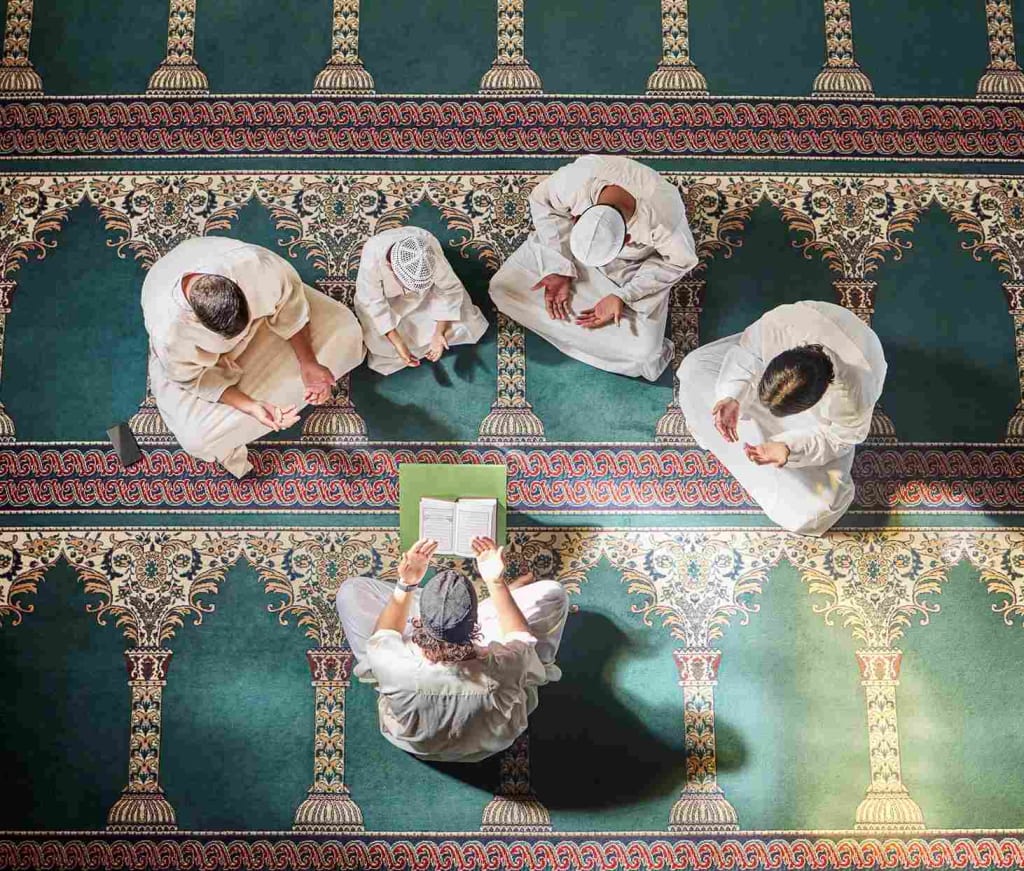
Islam, one of the world's largest religions, is often referred to as the "religion of peace." Despite misconceptions and misinterpretations, Islam's core emphasizes harmony, justice, and compassion. Here, we explore five key reasons why Islam is called the religion of peace and how its teachings aim to foster understanding and coexistence among individuals and societies.
1. The Meaning of the Word "Islam"
The very word "Islam" holds the essence of peace. Derived from the Arabic root "salam" Islam means "submission" or "surrender" to the will of Allah. By submitting to Allah, Muslims seek to achieve both inner peace and outward harmony. The connection between submission and peace is integral to the faith, as Islam teaches that true tranquility can only be attained by aligning oneself with divine guidance.
This linguistic foundation underscores Islam’s peaceful essence, reminding followers to embody peace in their daily lives. Whether through prayer, acts of kindness, or fulfilling obligations, Muslims aim to maintain a state of harmony within themselves and their communities.
2. Compassion and Mercy: Core Attributes of Allah
One of the most recurring themes in the Qur'an is the compassion and mercy of Allah. Nearly every chapter of the Qur'an begins with the phrase "Bismillah-ir-Rahman-ir-Raheem" (In the name of Allah, the Most Gracious, the Most Merciful). These attributes serve as a constant reminder for Muslims to reflect these qualities in their own behavior.
Prophet Muhammad (peace be upon him) exemplified compassion throughout his life. He treated friends, enemies, and even animals with kindness and respect. The emphasis on mercy extends to all interactions, whether in family, community, or global relationships. This universal call to compassion forms the bedrock of Islam’s peaceful teachings.
3. Prohibition of Injustice and Aggression
Islam unequivocally condemns injustice and aggression. The Qur'an stresses the importance of fairness and justice, even in challenging situations. One of the key verses states:
"And do not let the hatred of a people prevent you from being just. Be just; that is nearer to righteousness." (Qur'an 5:8)
This verse highlights Islam’s commitment to justice as a prerequisite for peace. Muslims are taught to uphold justice, regardless of personal biases or external pressures. Aggression and oppression are not only discouraged but are considered grave sins. This principle ensures that peace and fairness prevail in all aspects of life, whether in personal relationships or societal governance.
4. Encouragement of Forgiveness and Reconciliation
Forgiveness and reconciliation are central to Islam’s teachings on conflict resolution. Rather than perpetuating disputes, the Qur'an encourages Muslims to seek peaceful solutions and forgive those who wrong them. A verse that beautifully encapsulates this principle is:
"The repayment of a bad action is one equivalent to it. But if someone forgives and makes reconciliation, his reward is with Allah." (Qur'an 42:40)
This emphasis on forgiveness fosters a culture of understanding and mutual respect. It not only helps individuals let go of personal grievances but also contributes to a more harmonious society. The Prophet Muhammad (peace be upon him) demonstrated this repeatedly, forgiving even those who persecuted him and his followers. Such actions underscore the importance of reconciliation in achieving lasting peace.
5. War as a Last Resort with Strict Ethics
While Islam allows for self-defense, it sets strict ethical guidelines for conflict, making war a last resort. The Qur'an commands Muslims to avoid aggression and only fight when necessary to protect themselves or restore justice. Even in such cases, Islam emphasizes the humane treatment of enemies and prohibits harm to non-combatants, property, and the environment.
The ultimate goal of any permissible conflict is to reestablish peace and justice. For example, the Qur'an states:
"And if they incline to peace, then incline to it [also] and rely upon Allah. Indeed, it is He who is the Hearing, the Knowing." (Qur'an 8:61)
This verse highlights Islam’s preference for peace over conflict, reinforcing its commitment to harmony and coexistence.
Islam’s Peaceful Legacy
Throughout history, Islamic teachings have inspired countless acts of goodwill and efforts toward peacebuilding. Many Islamic civilizations thrived on principles of tolerance and inclusivity, allowing diverse communities to coexist harmoniously. Scholars, leaders, and ordinary Muslims have often drawn upon their faith to resolve disputes, promote education, and build bridges between cultures.
For instance, during the Golden Age of Islam, cities like Baghdad and Cordoba became centers of learning and cultural exchange. These societies exemplified the peaceful coexistence of various religious and ethnic groups under Islamic governance. Such historical examples highlight the potential of Islam’s teachings to create harmonious and prosperous societies.
Misconceptions and Clarifications
Unfortunately, Islam is sometimes misunderstood due to the actions of a minority who misinterpret its teachings. It is essential to distinguish between the religion’s core principles and the actions of individuals. The Qur'an and Hadith (sayings of the Prophet) consistently advocate for peace, justice, and compassion, which remain the guiding values for over 1.9 billion Muslims worldwide.
Efforts to address misconceptions include interfaith dialogues, educational initiatives, and community outreach programs. By promoting understanding and dispelling myths, Muslims and non-Muslims alike can work together to highlight the peaceful essence of Islam.
Conclusion
Islam’s identity as the "religion of peace" is deeply rooted in its teachings and practices. From the meaning of the word "Islam" to the emphasis on compassion, justice, forgiveness, and ethical conflict resolution, the faith consistently advocates for harmony and coexistence. By understanding and embodying these principles, Muslims strive to build a world where peace prevails.
How to convert to Islam in a time when unity and understanding are more crucial than ever, the peaceful teachings of Islam offer valuable lessons for individuals and societies seeking to foster a harmonious existence. Let us embrace these principles and work together toward a more peaceful world.
About the Creator
Keep reading
More stories from sallem seo and writers in Writers and other communities.
How to Recycle Your Old Car the Right Way
Recycling an old car is an eco-friendly and responsible way to dispose of a vehicle that’s no longer roadworthy or economically viable to repair. In Melbourne, the process is straightforward, but there are key steps to ensure you do it correctly while maximizing its value. This guide will walk you through the essential steps to recycle your car the right way in Melbourne.
By sallem seo12 months ago in Writers
How Austin Teams Handle Mobile App Performance at Large Scale?
The first performance issue rarely appears in a demo. It shows up later, when usage spikes, when a feature ships faster than expected, or when an integration behaves differently under real load. For Austin teams building mobile products in 2026, performance is no longer a late-stage optimization task. It is a design constraint from day one.
By Mary L. Rodriquez3 days ago in Writers




Comments
There are no comments for this story
Be the first to respond and start the conversation.