
Why is Baisakhi Celebrated?
The True Meaning Behind India’s Harvest and Spiritual Festival


India is known for its rich culture and vibrant festivals. One such festival that stands out for its energy, devotion, and cultural significance is Baisakhi. But why is Baisakhi celebrated, and what makes it so special?
Baisakhi, also spelled Vaisakhi, is more than just a harvest festival. It’s a celebration that holds deep historical, religious, and social meaning, especially for the Sikh community. Whether you’ve heard about Baisakhi for its Bhangra dance, colorful fairs, or grand processions, there’s so much more behind this powerful festival.
Let’s dive into the origin, history, religious importance, and cultural relevance of Baisakhi to truly understand why it’s celebrated with so much enthusiasm in India and around the world.
Baisakhi Festival 2025 Celebration
🌾 Why is Baisakhi Celebrated? (Key Reasons)
1. To Celebrate the Harvest Season
Baisakhi is primarily a harvest festival in Punjab and North India. By April, the Rabi crops—mainly wheat—are ready to be harvested. Farmers celebrate the hard work of the past season and thank nature and God for a successful harvest.
The festival is a time of joy, feasting, and dancing in rural areas. For many farmers, Baisakhi marks the end of labor and the beginning of abundance.
2. Birth of the Khalsa – A Historic Sikh Event
One of the main reasons Baisakhi holds deep meaning in Sikhism is because it commemorates the creation of the Khalsa Panth by Guru Gobind Singh Ji in 1699.
Let’s go back in time…
⚔️ What Happened on Baisakhi in 1699?
- On Baisakhi Day, Guru Gobind Singh Ji gathered thousands of Sikhs at Anandpur Sahib.
- He stood before the crowd with a sword and asked for five volunteers who were ready to give their lives for their faith.
- One by one, five brave men stepped forward. Instead of killing them, Guru Ji revealed them unharmed and declared them the Panj Pyare (Five Beloved Ones).
- These five men were baptized into a new brotherhood called the Khalsa, representing purity, courage, and equality.
- The Guru also created the 5 Ks (Kesh, Kara, Kachera, Kirpan, and Kanga), which are essential to Sikh identity.
- This moment transformed Sikhism from a peaceful community into a warrior-saint tradition, devoted to justice and fearlessness.
- So, Baisakhi is celebrated to honor this spiritual rebirth and the values of devotion, bravery, and unity.
3. Sikh New Year Celebration
Baisakhi also marks the beginning of the Sikh New Year. Just as many cultures celebrate the new year with parties and prayers, Sikhs use this day to:
- Reflect on their spiritual journey
- Renew their faith
- Participate in religious processions
- Offer prayers at Gurudwaras (Sikh temples)
It’s a time to start fresh with positivity, purpose, and commitment to community service.
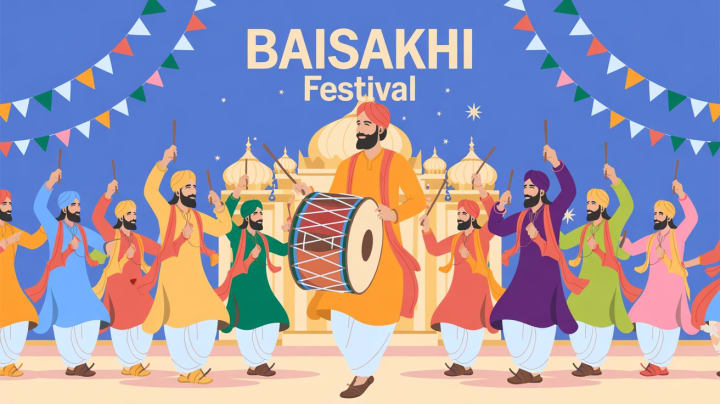
🛕 Baisakhi Rituals and Celebrations
🔸 Gurudwara Gatherings
Devotees gather early in the morning at local Gurudwaras for special prayers. Kirtans (hymns), scripture readings, and spiritual speeches are organized to remember the teachings of the Gurus.
🔸 Amrit Ceremony
Sikhs who wish to join the Khalsa undergo the Amrit Sanchar (baptism ceremony) on this day. The Panj Pyare prepare Amrit (holy water) and initiate new members into the faith.
🔸 Nagar Kirtans
These are religious processions led by the Panj Pyare, followed by devotees chanting hymns, playing instruments, and displaying Gatka (traditional Sikh martial arts). Streets are decorated with flowers and flags, creating a festive spiritual atmosphere.
🔸 Langar (Community Meals)
One of the most beautiful aspects of Baisakhi is the Langar, or free community kitchen, where everyone is welcome—regardless of religion or caste. This represents equality, sharing, and service, core values of Sikhism.
🔸 Cultural Events
- In villages and towns, you’ll find Baisakhi Melas (fairs) with:
- Folk music and dances like Bhangra and Gidda
- Traditional food stalls
- Art, crafts, and games for all age groups
These events bring people together, reviving cultural traditions and spreading joy.
🌍 Baisakhi Celebrations Around the World
Thanks to the global Sikh diaspora, Baisakhi is celebrated not just in India but across the world. Some key places include:
- Canada: Huge processions in Surrey and Brampton attract thousands
- UK: London and Birmingham host vibrant street celebrations
- USA: California and New York see large community events
- Australia and Malaysia: Gurudwaras organize kirtans, langars, and cultural shows
These celebrations promote interfaith unity, cultural pride, and community service worldwide.
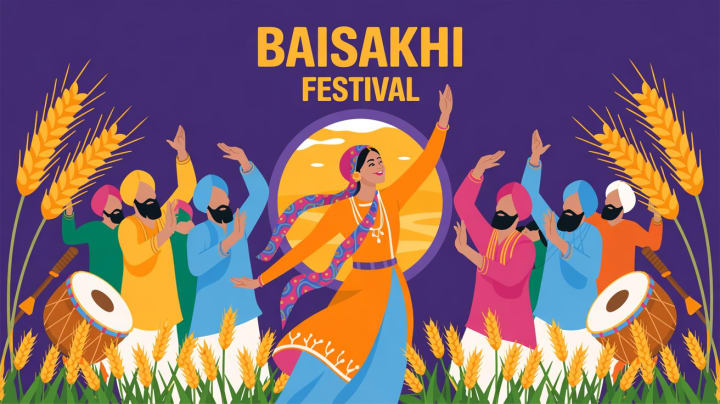
🎉 Baisakhi Beyond Sikhism
Interestingly, Baisakhi is not just a Sikh or Punjabi festival. It’s observed as a New Year or Harvest Festival in other parts of India too:
- Assam: Bohag Bihu
- Bengal: Poila Baisakh
- Tamil Nadu: Puthandu
- Kerala: Vishu
- Odisha: Maha Vishuba Sankranti
Each state brings its unique flavor to the celebration, showing how connected Indian traditions are, despite regional differences.
🧠 Why Baisakhi Still Matters Today
Baisakhi is more than just a holiday. It teaches values that are relevant to all of us, even today:
- Hard work and gratitude: Honoring the farmer’s labor
- Faith and courage: Remembering the formation of Khalsa
- Equality and service: Practicing the values of Langar
- Cultural pride: Celebrating folk traditions and identity
In a fast-moving world, festivals like Baisakhi remind us to pause, give thanks, and stand up for what’s right.
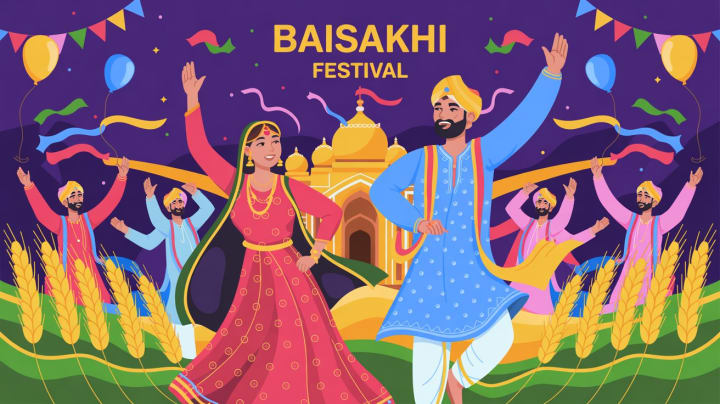
📝 Final Thoughts
So, why is Baisakhi celebrated?
It’s a powerful blend of agriculture, spirituality, and cultural pride. Whether you're a Sikh remembering the formation of Khalsa, a farmer rejoicing at harvest, or simply someone who loves Indian festivals, Baisakhi offers something meaningful for everyone.
From fields to Gurudwaras, from processions to Langars, Baisakhi brings people together in celebration, reflection, and joy.
If you ever get a chance to attend Baisakhi in Punjab, or even at a local Gurudwara near you—don’t miss it. It’s more than a festival; it’s an experience of unity, courage, and gratitude.
About the Creator
Sujit Kumar
Welcome to “Blogs Historical,” where the past comes alive through the power of storytelling. Delve into the annals of history with us as we explore captivating narratives, intriguing anecdotes, and insightful analyses of the events,
Keep reading
More stories from Sujit Kumar and writers in Writers and other communities.
What is Gangaur Festival?
India is a land of vibrant festivals, each with its own charm and cultural depth. Among these, the Gangaur Festival holds a special place, especially in the hearts of women across Rajasthan and several other parts of India. But what is Gangaur Festival, and why is it celebrated with so much devotion?
By Sujit Kumar10 months ago in Writers


Comments
There are no comments for this story
Be the first to respond and start the conversation.