
When Frost Strikes: How to Protect Your Garden During a Freeze Warning
Practical steps for gardeners to safeguard plants when nighttime temperatures dip near freezing

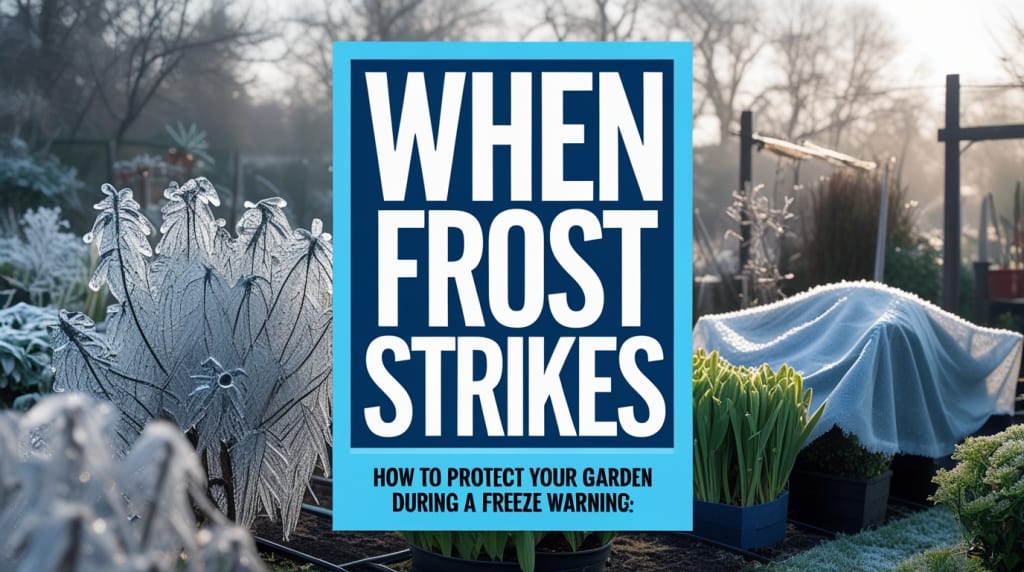
A “freeze warning” or “frost advisory” is a signal every gardener should take seriously. This week, the National Weather Service issued a frost advisory for early Tuesday morning in the Treasure Valley and western Magic Valley, with forecast low temperatures between 32 °F and 36 °F. While Boise proper may avoid frost (with lows of 38–42 °F), nearby rural and higher-elevation gardens are more vulnerable.
If you garden in a region prone to cold snaps, a freeze warning can spell disaster—especially for tender plants. But you can act fast and reduce damage. Here’s what to do.
What a Freeze Warning Means for Your Garden
* When overnight lows dip near or below freezing during the growing season, delicate tissues in leaves, buds, and blossoms can be killed.
* Frost forms when water vapor freezes on surfaces. Even a light frost can damage young shoots and stressed plants.
* Heavy frost or prolonged freezing can kill roots or entire plants, especially container plants or those with shallow roots.
---
How to Prepare Before the Cold Hits
1. Cover vulnerable plants
Use bedsheets, frost cloth, burlap, or even old blankets. Drape them loosely over plants and secure edges with bricks or rocks. Avoid plastic directly on foliage—it traps cold.
2. Bring containers inside
Pots and planters are especially at risk. Move them into a garage, shed, or close to a wall to capture residual heat.
3. Water your soil
Moist soil holds heat better than dry soil. Watering deeply (before the freeze) can help buffer root systems overnight.
4. Use cloches or tunnels
Small plastic or glass domes (cloches) can trap warmth. Row covers or hoop tunnels work for longer beds.
5. Apply mulch
Spread straw, leaves, or wood chips (2–4 inches) around plant bases. Mulch insulates soil and slows frost penetration.
6. Turn off garden lights or heaters near foliage
Lights or heaters can create microclimates that mislead plants; sudden shutdown after midnight may worsen stress.
---
What to Do During the Freeze
* Keep covers on until the sun fully warms the soil.
* Avoid removing coverings prematurely—plants may still be vulnerable.
* If frost forms, don’t brush or shake plants until they thaw naturally.
---
After the Freeze: Recovery Steps
* Wait until midday or later to assess damage.
* Prune off dead or blackened leaves—but not yet. Let healthy tissue show itself first.
* Keep soil lightly moist, but do not overwater charred plants.
* Apply a mild fertilizer only if plants show signs of recovery after several days.
* Monitor new buds. If new growth appears soft or discolored, protect it early.
---
How to Adjust Your Garden Calendar
* Be ready earlier in spring and later in fall. Many growers misjudge the “frost-free” window.
* Note local frost dates and track daily low temps.
* Choose hardy cultivars or varieties bred for your climate zone.
* During borderline nights, err on the side of caution with covering.
---
A Real Example: Treasure Valley Frost Advisory Case
In the advisory issued this week, most low temperatures were projected between 32 °F and 36 °F across Treasure Valley and western Magic Valley. Boise’s urban core escaped frost, with lows of 38–42 °F. If you garden near rural or higher ground, those extra degrees make the difference between survival and loss.
Gardeners in that region would have benefited from covering plants and pulling containers indoors. The advisory served as a timely warning—as proper action taken ahead of time often determines whether your plants live or die.
---
Final Word to Gardeners
A freeze warning is more than a weather alert—it’s a call to act. With simple steps, you can reduce or prevent damage to your garden. Be vigilant, be ready, and treat every frost advisory as a protective challenge—not just a forecast.
If you like, I can sample a version of this article tailored to your climate zone, with planting dates, frost tables, and plant-specific tips. Do you want me to prepare that for your region?
About the Creator
Ashley Scott
Ashley Scott here! 🌿 I share tips, DIY projects, and inspiration for creating beautiful gardens. From beginner guides to expert advice on growing vegetables, herbs, and flowers, you'll find everything to make your garden thrive.
Keep reading
More stories from Ashley Scott and writers in Writers and other communities.
Fall Back 2025: Your Guide to the Upcoming Time Change
Mark your calendars: on Sunday, November 2, 2025, at 2:00 a.m., Daylight Saving Time (DST) will end for most of the United States . This is the "fall back" event, where we set our clocks back one hour, granting a welcome extra hour of sleep but also signaling the start of earlier sunsets .
By Ashley Scott5 months ago in Writers
What to Know About Spanish Book Translation in 2026
Maria took two years to write her first novel. When a Spanish-language publisher came calling, she faced an unforeseen hurdle: finding someone with the ability to translate her book without losing its voice. Three translators later, she learned that spanish book translation consists of so much more than converting English words into equivalents in Spanish.
By Hillshire Media3 days ago in Writers




Comments
There are no comments for this story
Be the first to respond and start the conversation.