
What to Do in an Electrical Emergency: A Step-by-Step Guide
Essential Safety Tips and Immediate Actions to Handle Electrical Emergencies Effectively
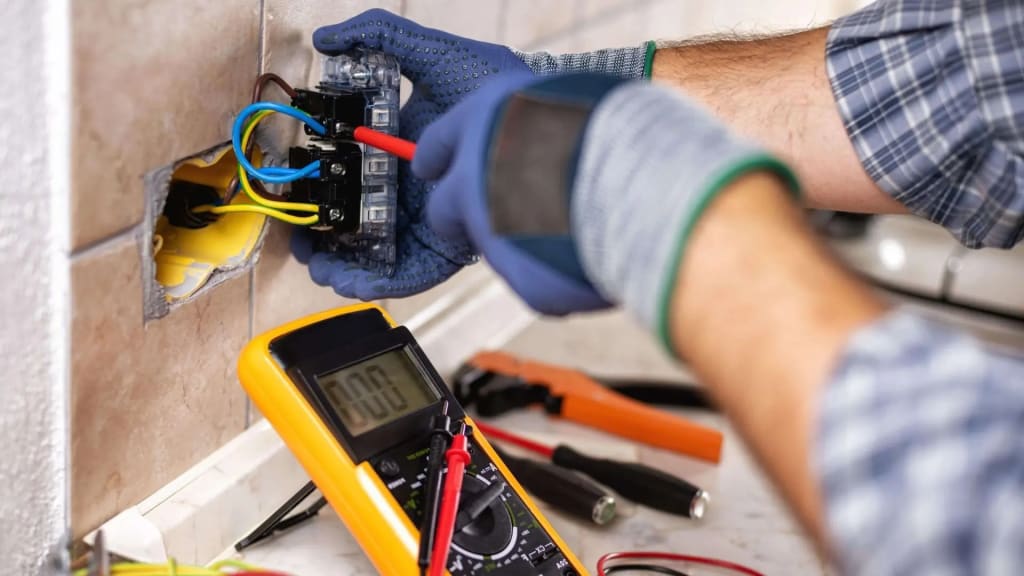
Due to its essential role in modern society, electricity becomes dangerous during faults. Electrical emergencies occur instantly through power outages as well as sparking plugs combined with loose wires. Such situations require proper, peaceful and safe procedures for handling them. The guide will present essential electrical emergency procedures followed by emergency electrician responsibilities and relevant safety guidelines to minimise future risks.
Understanding Electrical Emergencies
Electrical emergencies may be as simple as a minor inconvenience or as serious as a life-threatening situation. Some of the most frequent urgent electrical problems are:
- Sudden blackouts may happen because of storms, faulty wiring, or grid failure. Knowing what to do during a power outage in the UK is crucial for safety.
- Due to faulty wiring, overloaded circuits, or damaged appliances, these need to be addressed immediately.
- A severe electrical problem exists when you see exposed wires or sparks coming from outlets.
- Any electrical shock from an appliance or switch requires immediate action because it signals an urgent problem.
- A faulty electrical system requires immediate attention if circuit breakers frequently trip.
Steps to Take During an Electrical Emergency
1. Stay Calm and Assess the Situation
When you detect flickering lights or detect smoky odours or sparks, you should remain calm. Evaluate the situation by identifying the cause of the problem and establish a safe position away from the issue.
2. Turn Off the Power
It is safe to disable the power supply at the source in order to prevent additional damage. To prevent fire or spark explosion, you must disable the main breaker using a wooden or rubber-handled device.
3. Avoid Contact with Water
Water and electricity are a lethal combination. If an electrical problem is encountered near water, do not touch anything and call a professional right away.
4. Evacuate in the Event of Fire
If an electrical fire begins, don't use water to extinguish it. Instead, use an electrical fire-rated fire extinguisher and evacuate if needed.
How Emergency Electricians Ensure Safety?
- An emergency electrician is trained to handle urgent electrical issues efficiently. Here’s how they help:
- Professionals can diagnose problems immediately, followed by repairing them before faults become more severe.
- Qualified electricians check that your electrical installation meets all UK safety criteria through their professional expertise.
- When power outages occur, emergency electricians perform complete safety checks to resume power delivery safely while minimising additional risks.
- Their services include providing recommendations about maintenance together with upgrade suggestions to stop future breakdowns from occurring.
Electrical Safety Tips to Prevent Emergencies
Avoiding problems in advance is far more beneficial than attempting to fix them later. The following list provides genuine practical advice which helps decrease potential hazards.
- A proper electrical safety inspection discovers hidden faults before they turn dangerous.
- Using one outlet to connect multiple appliances will cause overheating, which can lead to fire hazards.
- Keep to appliance manufacturer instructions while unplugging devices when you finish using them.
- Regular inspections involve checking for frayed cables together with loose wires and exposed wiring.
- Surge protectors serve as safeguards for appliances because they defend them against voltage spikes, which prevents equipment damage.
Conclusion
Electrical emergencies represent a danger to safety unless you follow proper management procedures. Preventing significant hazards requires both basic electrical emergency knowledge and power outage safety training, together with regular equipment cheques. Your immediate action in any severe electrical emergency should include contacting an expert emergency electrician. Taking this approach will protect your home or workplace while keeping power supply interruptions at a minimum.
About the Creator
Keep reading
More stories from RCD Electrical and writers in Writers and other communities.
Why You Should Have an Emergency Electrician on Speed Dial?
Electrical issues do not announce themselves with enough notice. The power suddenly drops, sparks fly from outlets, or all circuits go dark. These accidents can ruin your day and make your home, or worse yet, your safety, vulnerable to serious damage. Having an emergency electrician at speed dial lets you have professionals on the ready when you can least afford downtime.
By RCD Electrical11 months ago in Writers




Comments
There are no comments for this story
Be the first to respond and start the conversation.