
What Techniques Can Elevate Your Editing Skills?
Mastering the Art of Precision: Techniques to Enhance Your Editing Proficiency


Editing is a vital component of the writing process, transforming a rough draft into a polished piece of work. Whether you're a budding writer, a seasoned professional, or someone engaged in academic pursuits, honing your editing skills is essential for effective communication. Below are several techniques that can elevate your editing abilities and help you craft clear, concise, and engaging content.
1. Understand the Different Types of Editing
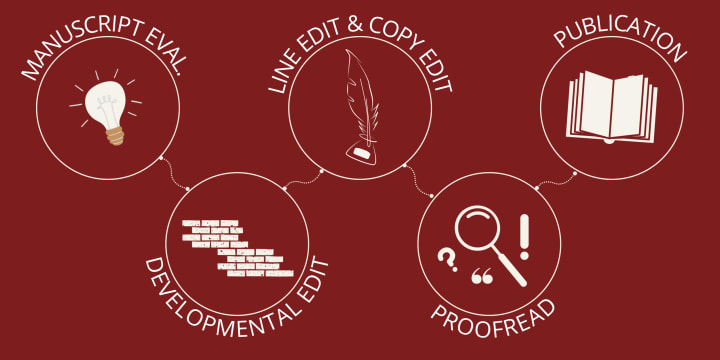
Editing is not a monolithic process; it encompasses several types, each targeting different aspects of the text:
a. Developmental Editing
Focuses on content, structure, and flow. It involves large-scale changes including plot development in fiction, or argument clarity in non-fiction.
b. Line Editing
Hones in on language use, style, and tone. This stage aims to improve sentence structure and word choice.
c. Copy Editing
Ensures grammatical correctness and adherence to style guidelines. This level emphasizes punctuation, spelling, and consistency.
d. Proofreading
Is the final touch before publication. It catches overlooked errors and ensures that the text appears in its best form.
Understanding these types enhances your approach to editing, allowing you to apply the right technique at the appropriate stage.
2. Take a Break Before Editing
After completing your manuscript, step away from it for a while. This break allows your mind to clear and helps you return to the text with fresh eyes. You’ll be better equipped to spot inconsistencies, awkward phrasing, and errors that you may otherwise gloss over.
3. Read Aloud
Reading your work aloud forces you to engage with the text differently. This technique helps identify awkward sentences, repetitive phrases, and areas where clarity is lacking. By hearing the rhythm and flow of your writing, you can also discern the emotional impact of your words.
4. Use Editing Tools
Various software tools can assist in the editing process:
a. Grammar Checkers
Tools like Grammarly, ProWritingAid, and Hemingway Editor help catch grammatical errors and provide stylistic suggestions.
b. Readability Analysis
These tools gauge how easily your text can be read and understood. Aim for a balance between complexity and accessibility based on your audience.
c. Plagiarism Checkers
Ensure the originality of your content. Tools like Turnitin and Copyscape can help maintain your credibility and avoid unintentional plagiarism.

5. Get a Second Opinion
Sharing your work with colleagues, friends, or a professional editor allows for an external perspective. Fresh eyes can catch mistakes you might not have noticed and provide valuable insights into the clarity and impact of your writing.
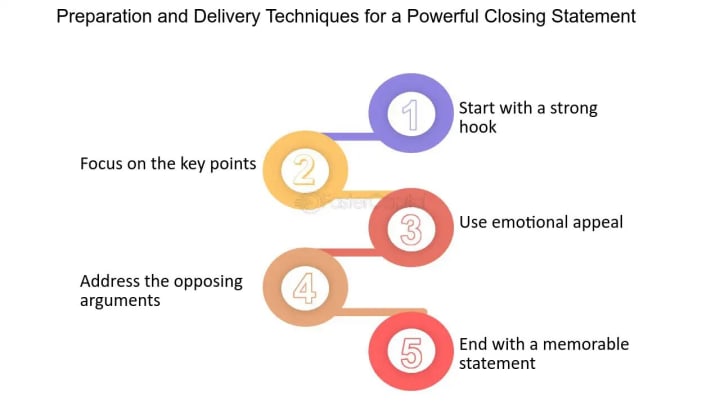
6. Focus on Strong Opening and Closing
Your introduction sets the tone for the reader's journey while your conclusion leaves a lasting impression. Ensure these sections are compelling and clearly outline the main argument or narrative thrust. This clarity upfront and a strong closing reinforce the overall structure of your writing.
7. Trim the Excess
Embrace the mantra “less is more.” During editing, identify areas where you can eliminate redundant phrases, unnecessary jargon, or overly complex sentences. Aim for conciseness and clarity to keep your reader engaged and focused.
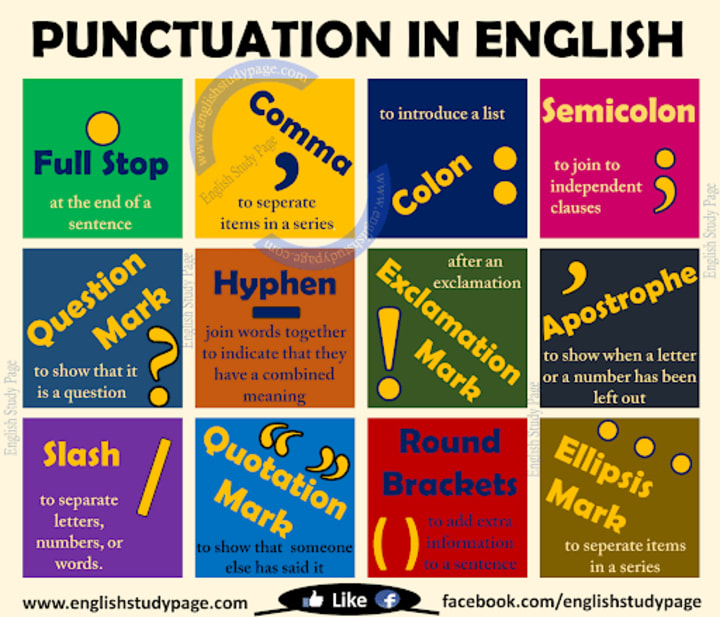
8. Pay Attention to Punctuation and Formatting
Mistakes in punctuation can alter meanings and muddle clarity. Familiarize yourself with grammar rules and punctuation guidelines, adapting your work according to the applicable style guide (e.g., APA, MLA, Chicago). Consistency in formatting also enhances readability, from font size to heading styles.
9. Develop Checklists
Creating an editing checklist can streamline your process. This list can include common mistakes you've made in the past, style guide adherence points, and specific elements to review. A checklist helps ensure that you systematically cover all aspects of your writing.
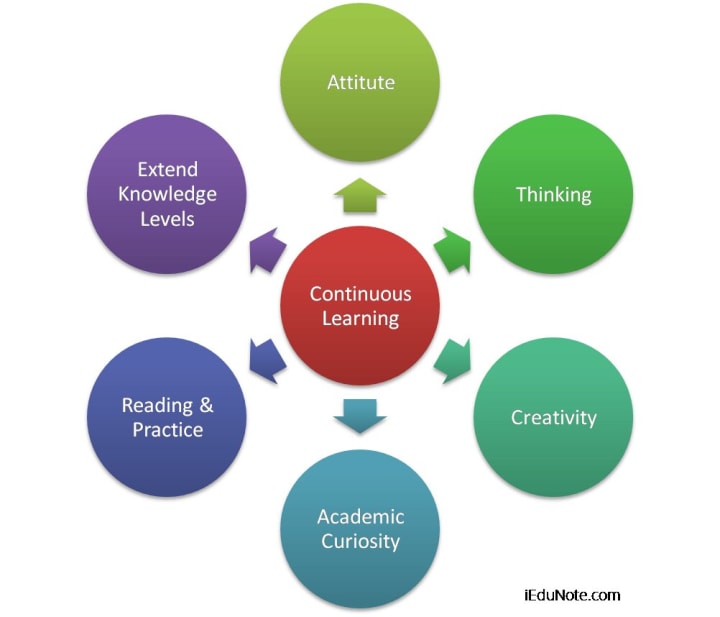
10. Continuous Learning and Practice
Editing is a skill that can always be refined. Consider taking writing workshops, online courses, or reading books on the craft of editing and writing. The more you learn, the better equipped you will be to elevate your editing skills.
11. Study the Craft of Great Writers
Examine the works of established authors whose editing styles you admire. Analyze how they structure their sentences, use punctuation, and develop their voice. Learning from the best allows you to adapt and incorporate new techniques into your own writing.
Conclusion
Elevating your editing skills is a multifaceted process that requires both practice and knowledge. By employing these techniques, you can refine your work and strengthen your voice as a writer. Remember that editing is an art form in itself; every piece you edit not only improves the present work but also enhances your future writing endeavors. With dedication and attention to detail, you can transform your initial drafts into compelling and polished pieces that resonate with your audience.
About the Creator
Hannah miller
I’m an author dedicated to weaving engaging narratives across a variety of genres to resonate with readers.
Keep reading
More stories from Hannah miller and writers in Writers and other communities.
The Evolution of Self-Publishing: From Desktop Publishing to Today's Digital Platforms
Introduction Self-publishing has undergone a remarkable transformation over the last few decades, particularly from the era of desktop publishing in the 1980s to the sophisticated digital platforms of today. With the advent of technology, the landscape of publishing has shifted dramatically, democratizing the literary world and providing countless authors with the opportunity to share their work without traditional gatekeeping. This article explores the evolution of self-publishing, highlighting key developments, technological advancements, and the implications for authors and readers alike.
By Hannah millerabout a year ago in Writers
Wild Card Weekend Recap: What Happens Now?
I think I figured out why I love Wild Card Weekend so much. It's because it's the first playoff anything of the calendar year. The NFL season starts in the fall, and once upon a time, the champion was crowned either on or slightly before New Year's. The evolution of the NFL schedule has resulted in the playoffs starting just into the New Year, and currently, the final week of the season falls on the first weekend of the New Year, with Wild Card Weekend coming a week after that. So yes, chronologically, the NFL's Wild Card Weekend serves as the first playoff anything of the calendar year.
By Clyde E. Dawkins6 days ago in Unbalanced



Comments
There are no comments for this story
Be the first to respond and start the conversation.