
The Evolution of Self-Publishing: From Desktop Publishing to Today's Digital Platforms
Charting the Course of Literary Freedom in the Digital Age

Introduction
Self-publishing has undergone a remarkable transformation over the last few decades, particularly from the era of desktop publishing in the 1980s to the sophisticated digital platforms of today. With the advent of technology, the landscape of publishing has shifted dramatically, democratizing the literary world and providing countless authors with the opportunity to share their work without traditional gatekeeping. This article explores the evolution of self-publishing, highlighting key developments, technological advancements, and the implications for authors and readers alike.
The Genesis: Desktop Publishing in the 1980s
The self-publishing journey began to gain momentum with the advent of desktop publishing (DTP) in the late 1970s and early 1980s. Prior to DTP, publishing a book required significant financial investment, expert knowledge, and access to traditional publishing houses. However, as personal computers became more powerful and affordable, writers could now produce print-quality documents using programs like Adobe PageMaker and Microsoft Word.

Key Characteristics of Desktop Publishing
Accessibility: DTP made publishing more accessible to writers. Authors could typeset, design, and produce their own manuscripts without needing extensive resources.
Cost-Effective: With DTP tools, the cost associated with printing and layout decreased substantially.
Control: Authors gained remarkable control over the entire process, from content to design and marketing strategies.
However, despite these advantages, DTP still faced significant challenges, such as limited distribution channels and the lack of professionalism in layout and design. Consequently, while self-publishing became easier, it wasn't yet widely accepted or respected in literary circles.
The Rise of Print-on-Demand in the 1990s
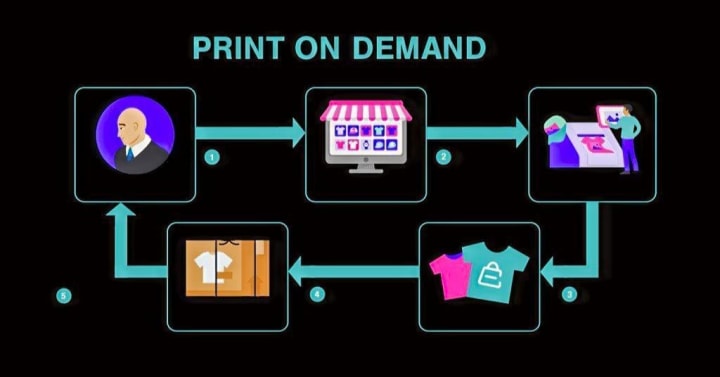
As desktop publishing technologies matured, another significant advancement emerged: Print-on-Demand (POD). This technology enabled authors to print books in smaller quantities, reducing the financial risk associated with inventory management.
Impact of Print-on-Demand
Inventory Management: Authors no longer needed to print hundreds or thousands of copies upfront. Instead, POD allowed them to print copies as they were ordered, significantly lowering initial costs.
Wider Distribution: POD services often connected authors with platforms that could distribute their books through online retailers, enhancing visibility.
Quality Improvements: Over time, POD technology advanced, leading to higher-quality print material and binding, which improved the overall appeal of self-published books.
By the late 1990s, several POD companies had sprung up, including Xlibris and iUniverse, which paved the way for authors seeking alternatives to traditional publishing. However, the stigma surrounding self-published works persisted, with many readers and critics questioning quality and credibility.
The Digital Revolution of the 2000s
The real turning point for self-publishing came with the rise of e-books and online platforms in the early 2000s. Amazon's launch of the Kindle in 2007 was pivotal, providing authors with an unprecedented platform to publish and distribute their works digitally.

The E-Book Boom
Emergence of E-Books: Digital formats offered conveniences like instant access and portability. Authors could reach global audiences without geographic constraints.
User-Friendly Platforms: Platforms like Amazon's Kindle Direct Publishing (KDP), Smashwords, and Lulu made it easy for authors to upload their manuscripts and reach readers directly.
Revolutionizing Sales: With the ability to set their own prices and retain a larger percentage of royalties compared to traditional publishing, many authors found self-publishing to be an attractive alternative.
As e-books took off, so did the growth of the self-publishing community. Online forums, social media, and self-publishing guides proliferated, creating a supportive environment for authors navigating this new terrain. Furthermore, the stigma surrounding self-published books began to fade as bestselling authors, such as E.L. James and Hugh Howey, emerged from the self-publishing world.
The Boom of Digital Platforms and Social Media
In the 2010s, self-publishing reached a new zenith with the enhancement of digital platforms and the proliferation of social media marketing. Writers could now leverage social media to promote their books and connect with readers on forums such as Goodreads, Instagram, and Twitter.
The Role of Social Media
Direct Author-Reader Engagement: Authors were able to foster direct connections with their audience, encouraging loyal followings and self-promotion opportunities.
Crowdsourcing Feedback: Writers began using platforms to crowdsource feedback, beta readers, and even fund their projects through crowdfunding.
Streamlined Marketing: Digital advertising and social media marketing made advertising self-published works accessible and often cost-effective.
Digital publishing also diversified into various genres and niches, enabling authors from all walks of life to express themselves. The rise of audiobooks, driven by platforms like Audible, created another avenue for self-published authors to reach audiences in an entirely new way.

The Current Landscape of Self-Publishing
Today, self-publishing is more established and respected than ever. With sophisticated technology and diverse platforms, authors have unprecedented opportunities to share their stories.
Modern Self-Publishing Characteristics
Variety of Platforms: Today’s authors can choose from a wide range of self-publishing platforms, such as Amazon KDP, IngramSpark, Draft2Digital, and many others, to publish both print and digital formats.
Professional Services: Many self-published authors now hire professional editors, cover designers, and marketing consultants, resulting in higher-quality books that rival traditionally published works.
Hybrid Publishing: A new trend has emerged in which authors occupy a middle ground, partnering with traditional publishing houses while maintaining some self-publishing rights or strategies.
Niche Publishing: Increasingly, authors are finding success by focusing on specific niches or interests, leading to the rise of micro-communities around certain genres or themes, facilitated by online platforms.
Global Reach: The internet has allowed authors worldwide to publish their works, providing diverse voices that were previously marginalized in traditional publishing.
Conclusion
The evolution of self-publishing from its roots in desktop publishing to the advanced digital platforms of today has fundamentally altered the publishing landscape. It has created a pathway for diverse voices to be heard, shifting the dynamics of literary production and consumption. As technology continues to evolve, the future of self-publishing is likely to see further developments, including advancements in artificial intelligence, blockchain for author rights, and even more innovative marketing tactics. Authors today are not just content creators; they are entrepreneurs, taking charge of their destinies in an ever-changing digital world.
As self-publishing becomes increasingly normalized, one thing is clear: the barriers to entry have dissolved, making way for an era of infinite possibilities in the literary realm.
About the Creator
Hannah miller
I’m an author dedicated to weaving engaging narratives across a variety of genres to resonate with readers.
Keep reading
More stories from Hannah miller and writers in Writers and other communities.
How Do Publishers Get Their Books on Audible: A Comprehensive Guide
Audible, the largest audiobook provider globally, has transformed the way we consume literature, allowing users to listen to their favorite books on the go. For publishers, getting their titles onto Audible can provide vast opportunities for reaching wider audiences, increasing sales, and expanding their market presence. This article explores the step-by-step process by which publishers can get their books available on Audible.
By Hannah millerabout a year ago in Writers




Comments
There are no comments for this story
Be the first to respond and start the conversation.