
What Steps Should I Take to Successfully Self-Publish My Book?
Your Comprehensive Guide to Navigating the Self-Publishing Journey from Manuscript to Market


Self-publishing has revolutionized the literary landscape, providing authors with unprecedented control over their work and the potential to reach broader audiences. While the process can seem daunting, a well-defined roadmap can make your self-publishing journey much smoother. Here’s a comprehensive guide on the essential steps you should take to successfully self-publish your book.
1. Write and Edit Your Manuscript
A. Drafting Your Manuscript
Set a Writing Schedule: Establish a routine that allows for consistent writing. Whether you write daily, weekly, or on weekends, consistency is key.
Embrace the Drafting Process: Allow yourself to write freely in the first draft. Don’t worry about perfection—focus on getting the story down.
B. Revising and Editing
Self-Edit: After completing your draft, take a break before revising. This will allow you to return to your manuscript with fresh eyes.
Beta Readers: Select a few trusted individuals to read your manuscript. Their feedback can highlight strengths and weaknesses that you might overlook.
Professional Editing: Consider hiring a professional editor for developmental, copyediting, and proofing stages. A polished manuscript reflects professionalism and enhances readability.
2. Design Your Book
A. Interior Formatting
Formatting Software: Learn to use tools like Scrivener, Adobe InDesign, or Vellum for formatting. Alternatively, consider hiring a professional format specialist.
Formatting Guidelines: Each publishing platform has specific formatting guidelines; be sure to follow them for compatibility and aesthetics.
B. Book Cover Design
Importance of a Good Cover: Your book cover is often the first impression for potential readers. Invest time and resources to create an attractive and genre-appropriate cover.
Hire a Professional Designer: A skilled designer can help convey your book's theme and attract your target audience.

3. Choose Your Self-Publishing Platform
Amazon Kindle Direct Publishing (KDP): The most popular option, especially for eBooks, KDP offers extensive reach and user-friendly tools.
Draft2Digital and Smashwords: These platforms allow wider distribution to multiple eBook retailers, ensuring your book reaches diverse audiences.
IngramSpark: Ideal for those wishing to publish print books and gain access to bookstores and libraries.
Consider Multiple Platforms: Depending on your goals, you can publish your book across various platforms to maximize visibility.
4. Set Your Price
Research Competitors: Analyze the pricing of similar titles in your genre to position your book competitively.
Consider Perceived Value: Pricing too low can undermine quality perception, while setting a price too high may deter potential readers. Aim for a balance.

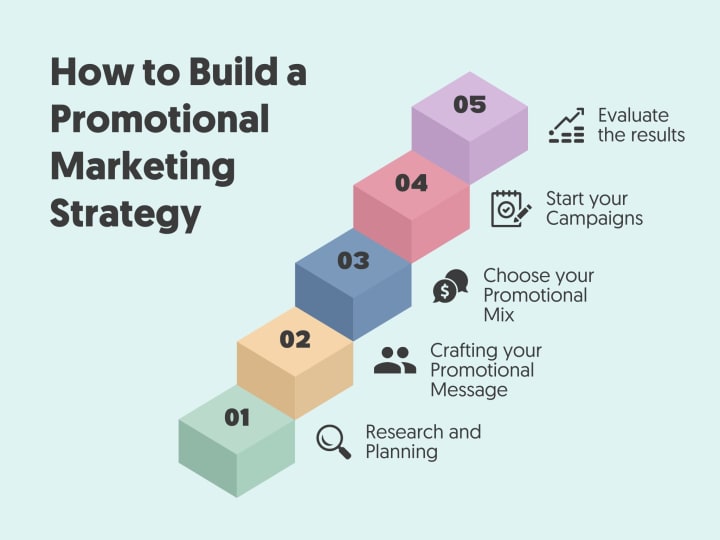
5. Develop a Marketing and Promotion Strategy
A. Build Your Author Platform
Social Media Presence: Create profiles on platforms where your target audience resides. Engage with readers through posts, live sessions, and updates about your book.
Author Website: Establish a professional website as a central hub for your author brand, including blog posts, newsletters, and book information.
B. Pre-Publication Marketing
Utilize Advance Reader Copies (ARCs): Send ARCs to reviewers and influencers in exchange for honest feedback and reviews upon publication.
Collect Email Sign-ups: Create a mailing list for interested readers and keep them informed about your book's release and promotional events.
C. Launch Strategies
Launch Day Events: Organize a virtual or in-person launch event. Consider book readings, giveaways, and Q&A sessions.
Leverage Paid Advertising: Consider investing in targeted ads on social media and online platforms to reach a larger audience, especially during the launch period.
6. Manage Your Distribution
Amazon and Beyond: While Amazon dominates the eBook market, remember to distribute through other channels for a broader reach. Use distributor services like IngramSpark for print books.
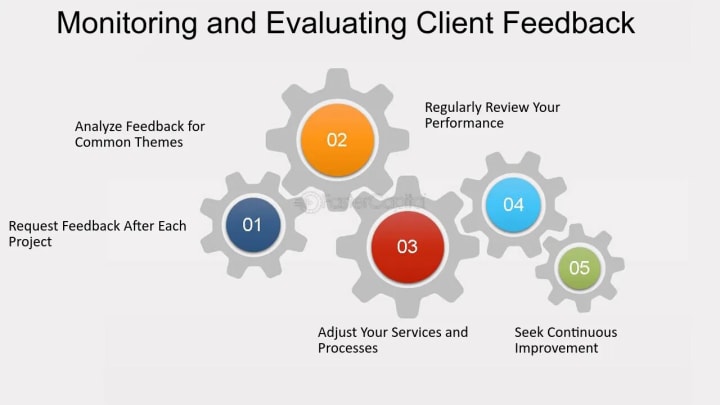
7. Monitor Sales and Gather Feedback
Track Your Sales: Use analytics tools provided by your publishing platform to understand sales trends, demographics, and reader engagement.
Collect Reviews: After launching, encourage readers to leave reviews. Positive reviews enhance your book's credibility and visibility.
8. Plan for Future Books
Reflect and Learn: After your launch, evaluate what worked and what didn’t. Gather insights that can improve your next book project.
Continuing Engagement: Stay connected with your audience through newsletters, social media, and updates about future works.
Conclusion
Self-publishing can be an incredibly rewarding path, allowing you to share your creative vision without the constraints of traditional publishing. Each step of the process, from writing and editing to marketing and distribution, plays a vital role in ensuring your book's success. By diligently planning and executing each phase, you set yourself up for a fulfilling self-publishing experience, ultimately leading to the broadest reach for your literary work. Embrace the journey, and let your voice be heard!
About the Creator
Hannah miller
I’m an author dedicated to weaving engaging narratives across a variety of genres to resonate with readers.
Keep reading
More stories from Hannah miller and writers in Writers and other communities.
Identifying Your Target Audience in Book Marketing: A Comprehensive Guide
Book marketing is an art and a science, crucial for the success of any author and their work. One of the foundational steps in any effective marketing strategy is identifying your target audience. Knowing who will read your book allows you to tailor your marketing efforts, resonate with potential readers, and ultimately enhance your book's visibility and sales. In this article, we will explore the methods and strategies for identifying your target audience in book marketing.
By Hannah millerabout a year ago in Writers
Are Retail Expansion Decisions Failing Because You’re Ignoring Location Intelligence?
Retail expansion often looks straightforward on paper. A promising city, visible footfall, familiar competitors—everything seems right. Yet many stores struggle within months, while others succeed just a few streets away.
By Retail Gators6 days ago in Writers




Comments (1)
Hello, just wanna let you know that if we use AI, then we have to choose the AI-Generated tag before publishing 😊