
Identifying Your Target Audience in Book Marketing: A Comprehensive Guide
Crafting a Focused Marketing Strategy by Understanding Your Readers

Book marketing is an art and a science, crucial for the success of any author and their work. One of the foundational steps in any effective marketing strategy is identifying your target audience. Knowing who will read your book allows you to tailor your marketing efforts, resonate with potential readers, and ultimately enhance your book's visibility and sales. In this article, we will explore the methods and strategies for identifying your target audience in book marketing.
Understanding the Importance of Knowing Your Target Audience
Identifying your target audience is critical for several reasons:
Tailored Marketing Campaigns: Understanding your audience allows you to create specific marketing campaigns that speak directly to them, increasing the likelihood of engagement and conversion.
Content Development: Knowing your target demographic can influence not only your marketing strategies but also how you write and present your book.
Budget Allocation: With a defined audience, you can more effectively allocate your marketing budget to reach the people most likely to purchase your book.
Influencer Collaboration: By understanding who your readers are, you can identify influencers and platforms that align with your target audience, maximizing outreach.
Feedback and Improvement: Knowing your audience can help you gather feedback and make data-driven decisions for future projects.
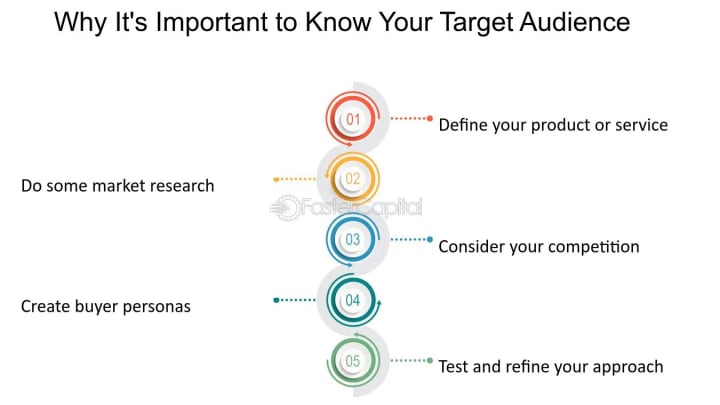
Steps to Identify Your Target Audience
1. Define Your Book's Genre and Subgenre
The first step in identifying your target audience is clarifying the genre and sub-genre of your book. Different genres attract different types of readers. For instance:
Fiction: Literary, Romance, Science Fiction, Fantasy
Non-Fiction: Self-Help, Biography, Business, Health
Children’s Books: Picture Books, Middle Grade, Young Adult
Poetry and Anthologies
Identifying where your book fits within these categories will help to narrow down your potential audience.
2. Analyze Your Book’s Themes and Subjects
Consider what themes your book addresses. What are the core messages or issues discussed within its pages? For example:
Social Issues: If your book deals with social justice, your audience may include activists, educators, or people interested in current affairs.
Relationship Dynamics: A romance novel might appeal to readers seeking escapism or a deeper understanding of human relationships.
3. Create Reader Personas
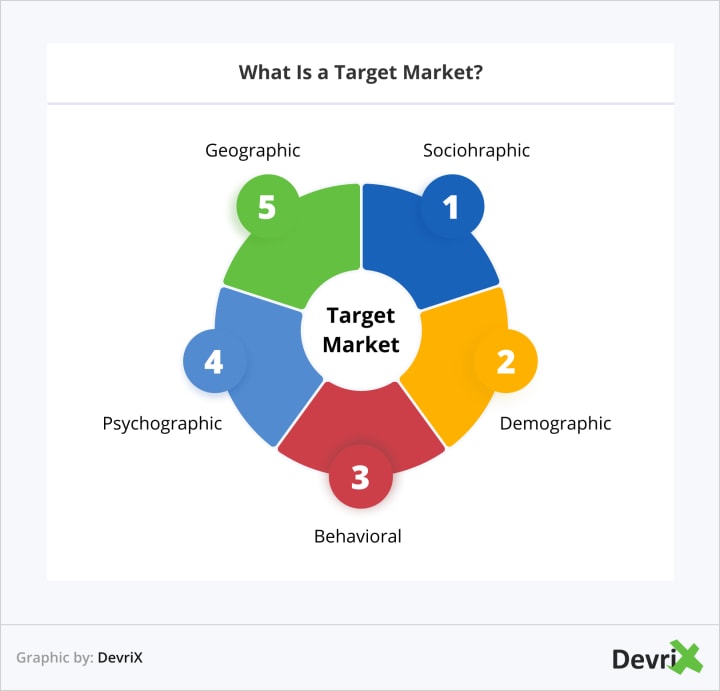
Reader personas are fictional representations of your ideal readers based on demographic and psychographic data. To create these personas, consider factors such as:
Age: Different age groups have varying preferences in content and themes.
Gender: Certain genres might appeal more towards a specific gender.
Occupation: Professionals may be interested in non-fiction related to their fields.
Hobbies and Interests: Readers often enjoy books that resonate with their hobbies, whether it's gardening, cooking, or technology.
Reading Habits: Understanding how often your target audience reads can help determine marketing tactics; for example, avid readers might be more engaged on platforms like Goodreads.

4. Research Your Competitors
Take a look at other authors writing in your genre. Study their marketing strategies and analyze who their audience appears to be by observing:
Social Media Engagement: Look at comments, shares, and interactions on posts. This can give insight into who is engaging with similar content.
Reviews on Websites: Platforms like Amazon and Goodreads can provide valuable insight into who is reading and enjoying similar books.
Author Events and Signings: Research who attends these events related to authors within your genre.
5. Utilize Social Media and Online Communities
Social media platforms and online communities are rich resources for identifying and engaging with your target audience. Here’s how you can utilize them:
Engage with Specific Groups: Join relevant Facebook groups, subreddits, and forums associated with your book’s genre or themes. Participate in discussions to gauge interest and understand what readers are looking for.
Surveys and Polls: Leverage social media tools to create surveys or polls that can help you gather demographic information and preferences from prospective readers.

6. Conduct Market Research
Invest time in understanding the book market through primary and secondary research:
Read Industry Reports: Look for reports and publications that analyze reading trends, sales, and demographics.
Professional Organizations: Organizations like the American Booksellers Association (ABA) often provide insights and studies focused on reader behavior.
Author Surveys: Collaborate with other authors to gather data on your mutual audiences.
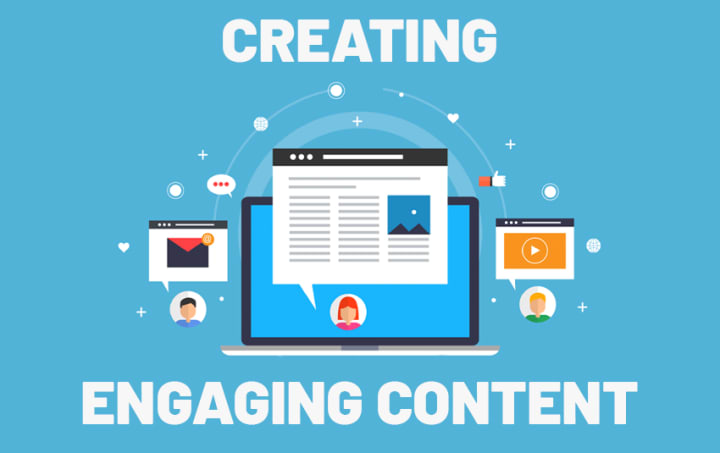
7. Create Engaging Content
Once you have identified your target audience, create content that captivates their attention. This could include blog posts, social media content, newsletters, book trailers, or podcasts that align with their interests and preferences.
Conclusion
Identifying your target audience is an ongoing process that requires thoughtfulness, research, and flexibility. Through defining your book's genre, analyzing themes, creating reader personas, researching competitors, utilizing social media, and conducting thorough market research, you will be able to pinpoint your ideal readership. In turn, your book marketing strategy will be stronger, more focused, and ultimately more effective in reaching and engaging those readers who are most likely to resonate with your work. Ultimately, understanding your audience not only enhances your marketing endeavors but can also enhance your writing journey, providing you with invaluable insights into the readers who will appreciate your storytelling.
About the Creator
Hannah miller
I’m an author dedicated to weaving engaging narratives across a variety of genres to resonate with readers.
Reader insights
Outstanding
Excellent work. Looking forward to reading more!
Top insight
Expert insights and opinions
Arguments were carefully researched and presented
Keep reading
More stories from Hannah miller and writers in Writers and other communities.
What are some strategies for avoiding cliche disasters when plotting a book?
When plotting a book, avoiding cliches is crucial to creating a fresh, engaging narrative. Cliches can feel predictable and uninspired, undermining the reader’s investment in the story. Here are some strategies to help you avoid cliche disasters while still crafting a compelling plot:
By Hannah millerabout a year ago in Writers
6 AI Tools That Turn Static Images into Dynamic Videos
The demand for engaging visual content has never been higher, and video reigns supreme. For many businesses, marketers, and individual creators, however, producing polished video content can be a time-consuming and resource-intensive endeavor. The good news is that artificial intelligence is rapidly bridging this gap, offering innovative solutions to transform even the simplest static images into captivating dynamic videos.
By alinasir nasir6 days ago in Writers



Comments (1)
Perfectly written. Liked it.