
What's The Biomass Wood Pellet ?
Wood pellets have become a popular fuel to heat homes and businesses. They’re sustainable and cost-effective, and pellet boilers have made burning them as efficient and clean as possible.
Wood pellets have become a popular fuel to heat homes and businesses. They’re sustainable and cost-effective, and pellet boilers have made burning them as efficient and clean as possible.
Let us explore what wood pellets contain, their main advantages, and most importantly, how to determine how many bags you need this year for a comfortable, warm home on a budget.
WHAT ARE WOOD PELLETS AND HOW ARE THEY MADE?
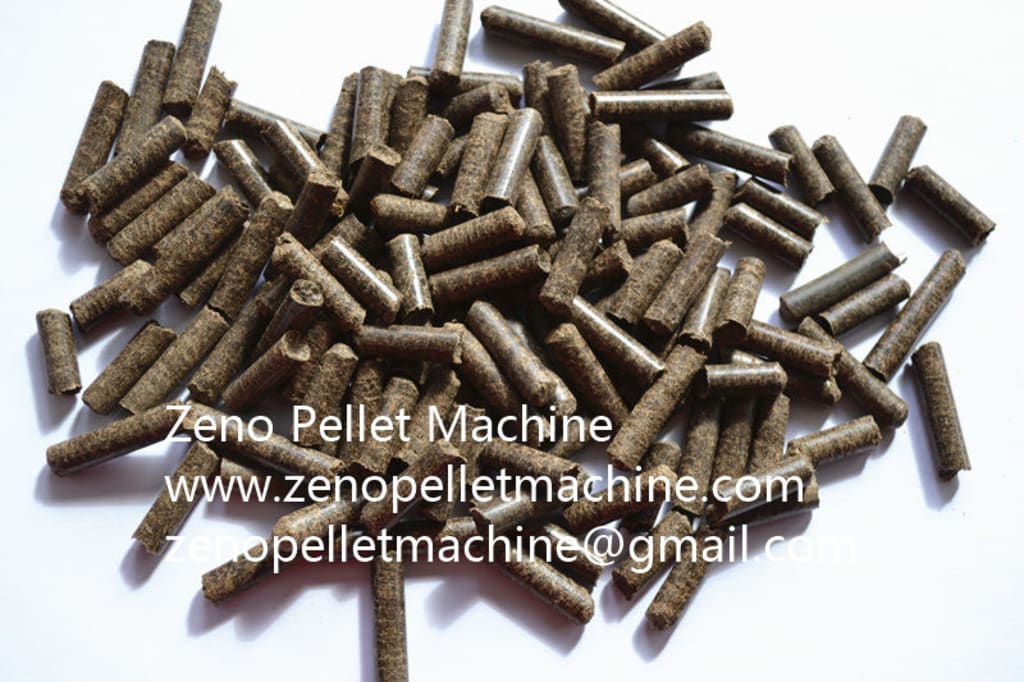
Wood pellets are biomass fuel. Biomass pellets are made from either wood residue (sawdust, shavings and offcuts, which are by-products of wood processing), or from freshly cut timber especially felled for the production of wood pellet machine. This includes compressed biomass matter, usually attained by recycling by-products from the milling of lumber, construction, and agriculture, such as chips, shavings, and sawdust. Producing much less carbon than fossil fuels, wood pellets are considered a sustainable and renewable energy source. They’re also more efficient than raw biomass due to the low moisture content and higher density. ery high temperatures are used to dry the material and it is then compacted in a pelletizer. The naturally occurring organic binders (lignin) in the wood are being utilized in the process, meaning that no artificial additives are needed.
The final product is a uniform pellet, usually 6mm in diameter for use in domestic situations. This size makes this biomass fuel product easy to transport, handle, and store. The wood pellet moisture content is usually less than 8%.
WHAT ARE WOOD PELLETS USED FOR?
Wood pellets can be used instead of charcoal, firewood, oil and gas in heating, cooking, boiler and power plants.
An alternative use for wood pellets is animal bedding such as in horse stalls.
BENEFITS OF WOOD PELLETS
Using wood pellets to heat your home has a number of benefits, both economic and environmental.
This type of fuel is more cost-effective than other types of fuel, such as oil and gas. And compared to standard electric heating, a biomass boiler can save homeowners up to £600 a year.
This calculator allows you to compare the cost of using wood pellets to other home heating fuels, including fuel oil #2, natural gas, propane, electricity, and hardwood. It allows you to enter your up-to-date local prices and gives you Cost per million BTU (British Thermal Units) for each fuel.
Wood pellets produce a soft and consistent heat over long periods of time with minimum effort.
Wood pellets are carbon-neutral. The carbon dioxide released when they’re burned equals the one taken from the atmosphere by trees in photosynthesis. For example, every ton of pellets used vs. oil reduces CO2 emissions by about 1.5 tons. This allows you to considerably reduce your carbon footprint.
By using residues and co-products to produce, it diverts waste from landfills, reduces disposal costs, and saves landfill resources.
Due to their high burn efficiency and density, pellets produce low particulate emissions and atmospheric pollutants.
Modern biomass boiler systems are clean, efficient, and easy to adjust.
Pellets are easily and cleanly stored and transported in convenient bags.
Wood pellet plant and materials that are locally sourced or produced provide employment and business opportunities to local communities in manufacturing facilities, trucking, logging, etc.
When stored properly away from moisture and humidity (ideally indoors or in airtight containers), wood pellets last indefinitely.
Biomass boilers are eligible for the Renewable Heat Incentive scheme, which aims to promote the use of renewable energy in households by providing financial support.
About the Creator
Jacky Li
Professional feed pellet machine manufacturer
https://www.zenopelletmachine.com
Why Students Are Turning to a Humanizer AI Instead of Relying on AI Alone
Why Students Are Reconsidering AI-Only Writing in Academic Work Artificial intelligence tools have become deeply embedded in student workflows. From outlining essays to organizing research notes, AI has changed how students approach assignments. However, a noticeable shift is taking place in academic environments. Students who rely exclusively on AI-generated writing are increasingly encountering issues related to grading, feedback, and academic credibility.
By Abbasi Publisher6 days ago in Writers
Rage
Content Warning: Domestic Violence, Assault Rage D. A. Ratliff “Who did this?” My voice echoed through the house. All I wanted was a cup of tea, but one of the twins, running through the house like maniacs, knocked it over. My nerves tingled, and every muscle in my body felt coiled like a spring. Survival seemed out of reach.
By D. A. Ratliff5 days ago in Fiction



Comments
There are no comments for this story
Be the first to respond and start the conversation.