
What Is Pollarding and Why Is It Important?
Pollarding, Coppicing and Tree Pruning

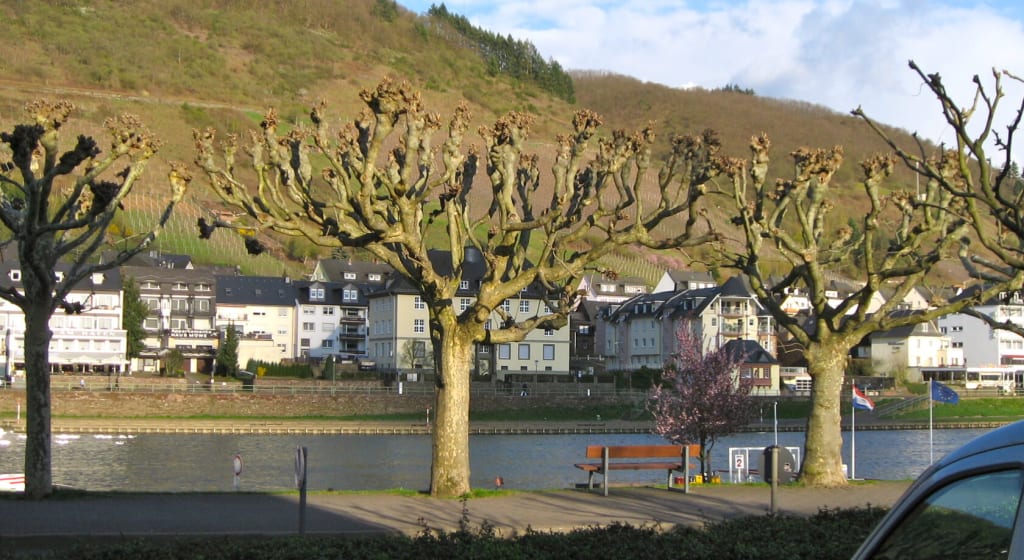
Pollarding is an ancient tree management technique still widely practiced today. This method involves cutting back the upper branches of a tree to encourage new growth at a controlled height. But why is pollarding such a crucial practice, especially in urban areas like Sheffield?
How Does Pollarding Help Trees?
Pollarding serves several purposes, including prolonging the life of a tree and ensuring public safety. By keeping the tree’s growth in check, this technique helps prevent large, unstable branches from becoming a hazard.
For instance, in Sheffield, lime and poplar trees in residential areas are often pollarded to reduce the risk of branches falling onto buildings, pedestrians, or power lines. The process not only stabilizes the tree but also enhances its aesthetic appeal by encouraging a dense, manageable canopy.
What Are the Benefits of Pollarding in Urban Areas?
Living in a city like Sheffield means you might have limited space for your garden or trees. Pollarding provides the following benefits for urban settings:
Space Management: Trees, such as ash or poplar, can quickly outgrow small gardens. Pollarding controls their size and prevents them from overshadowing smaller plants.
Safety: Reducing the weight of the canopy lowers the chance of falling branches, particularly during storms. This is essential for trees located in densely populated neighborhoods.
Health of the Tree: It helps identify and remove diseased or damaged branches, improving the overall health of the tree.
Enhanced Light Penetration: Homes and gardens shaded by large canopies benefit from additional sunlight after pollarding. This encourages the growth of understory plants.
For example, a poplar tree in Bradway, Sheffield, required re-pollarding as its overgrown branches had started to block light and posed a risk to neighboring properties. The process not only solved these issues but also promoted fresh, healthy growth from the tree.
How Is Pollarding Different From Coppicing?
At first glance, pollarding and coppicing may seem similar, as both involve cutting back trees to encourage new growth. However, the key difference lies in where the cuts are made.
Pollarding cuts branches higher up, often above eye level. This method is ideal for trees in urban areas, ensuring they don’t pose a threat to people or structures below.
Coppicing, on the other hand, involves cutting the tree close to its base, encouraging new shoots to grow from the stump. This technique is commonly used for production trees, such as those harvested for firewood or fencing materials.
Both techniques are effective methods of tree management but serve different purposes based on the environment and the desired outcome.
When Is the Right Time to Pollard a Tree?
Timing is critical for successful pollarding. Ideally, this should be done during late winter or early spring when the tree is dormant. This minimizes stress on the tree and allows it to recover more quickly.
In Sheffield, professional arborists are adept at identifying the right timing for various tree species. For example, willow and lime trees benefit from regular intervals of pollarding every 4–6 years to maintain their shape and keep them healthy.
Can Pollarding Make Trees Look Harsh or Unnatural?
Initially, pollarded trees might appear stark, with bare trunks and stubs where branches used to be. However, within months, new shoots emerge, creating a dense and vibrant canopy.
Sheffield residents have embraced this practice for its long-term benefits. For instance, the pollarded lime trees on urban streets contribute to the city’s green canopy while staying manageable and safe.
How Does Tree Pruning Tie Into Pollarding?
Tree pruning and pollarding are complementary methods of tree care. Pruning often focuses on removing dead, diseased, or weak branches, while pollarding is more about controlling growth and shaping the tree.
Regular pruning keeps the tree structurally sound and can be performed between pollarding cycles. Combined, these techniques ensure trees remain healthy and visually appealing.
Where Can You Find Tree Pollarding and Pruning Services in Sheffield?
Maintaining trees is a responsibility that requires expertise and proper tools. Professional services in Sheffield, such as Tree Surgeon Sheffield, specialize in pollarding, coppicing, and tree pruning. They ensure that trees are managed safely and effectively while adhering to local regulations.
Whether it’s a towering ash tree in your garden or lime trees along a street, contacting experts for pollarding and other tree care practices is the best way to protect your property and the environment.
Final Thoughts
Pollarding is more than just a tree management technique; it’s a way to foster healthier, safer, and more beautiful urban landscapes. For Sheffield residents, this practice is essential in maintaining the balance between nature and city living.
If you’ve noticed overgrown branches, reduced light in your garden, or unstable trees on your property, consider reaching out to a professional arborist. By incorporating practices like pollarding, coppicing, and tree pruning, you can ensure your green spaces thrive while staying safe and functional.
About the Creator
Tree Surgeon Sheffield
Trust Tree Surgeon Sheffield for expert tree care services in Sheffield. Our skilled professionals ensure quality tree care solutions. Contact us now!
Keep reading
More stories from Tree Surgeon Sheffield and writers in Writers and other communities.
Tree Felling in Sheffield: Everything You Need to Know
Tree felling is a critical aspect of managing outdoor spaces, whether for safety, aesthetics, or environmental reasons. If you're based in Sheffield and considering tree felling, knowing the legal aspects, necessary permissions, and best practices is essential. This guide answers common questions to help you make informed decisions.
By Tree Surgeon Sheffield9 months ago in Writers
World War III
Anne Bernays and Pamela Painter — What If? Writing Exercise for Fiction Writers prompts The Exercise — Choose a story to work with that is still in an early draft form. Read it through so you are thoroughly familiar with it and with the characters. Then find a place in the story to complete and insert the following sentences underlined below (change the pronoun as necessary.) Then come up with a few of your own inserts. The Objective - To experience how your semiconscious imagination is capable of conjuring up material that is absolutely organic to your story for each "fill-in" from the above list. Writers who do this exercise are always amazed at how something so seeminly artifical can provide them with effective additions to their stories.
By Denise E Lindquist6 days ago in Writers
A Letter to the Firestarter
Dear Firestarter, We can all see you, we've been watching you since you began. In case you didn't know we were here before you and we will be here after. We witnessed your rise, your setbacks, your guilt and your lies. We witnessed you start the fire.
By Donny Foleyabout 20 hours ago in Poets


Comments
There are no comments for this story
Be the first to respond and start the conversation.