
What is cloud encryption? A brief guide
This guide will explain everything you need to know about cloud encryption, including how it works, its benefits.

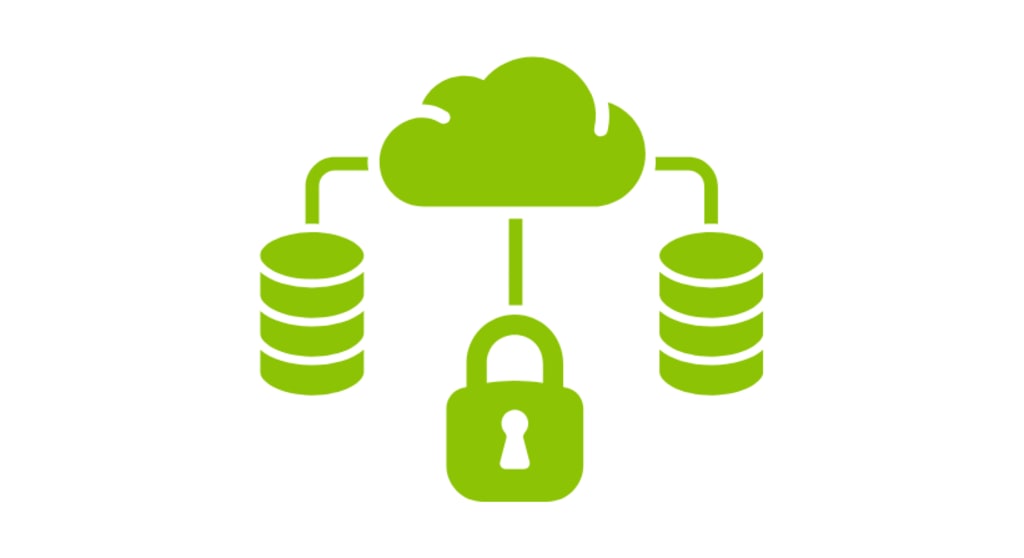
As businesses and individuals increasingly store data in the cloud, security has become a top concern. Cloud encryption is one of the most effective ways to protect sensitive information stored in cloud environments. But what exactly is cloud encryption, and why does it matter?
This guide will explain everything you need to know about cloud encryption, including how it works, its benefits, and its importance in modern cyber security.
What is cloud encryption?
Cloud encryption is the process of converting data into a code or cipher before storing it in the cloud. Only authorized users with the correct decryption key can access or read the data. This ensures that sensitive information remains secure, even if hackers gain unauthorized access to the cloud.
Think of it as locking your data in a digital safe. Without the key, no one can open it, making it an essential layer of protection for your files, emails, and sensitive documents stored in the cloud.
How does cloud encryption work?
Cloud encryption involves two main processes: encrypting the data and decrypting it when needed. Here’s a step-by-step explanation:
1. Data encryption
When you upload data to the cloud, it is encrypted using algorithms. These algorithms transform the readable data (plaintext) into unreadable code (ciphertext).
2. Key management
Encryption relies on keys, which are like passwords that lock and unlock the data. Cloud providers or users can manage these keys, depending on the encryption model.
3. Data decryption
When authorized users need access, the encrypted data is decrypted back into readable plaintext using the key.
4. In-transit vs. at-rest encryption
In-transit encryption: Protects data as it moves between your device and the cloud.
At-rest encryption: Secures data stored in the cloud.
Types of cloud encryption
Cloud encryption can vary depending on the type of cloud service or data. The main types include:
1. Symmetric encryption
This method uses the same key for both encryption and decryption. It is fast and suitable for encrypting large amounts of data, but key management is critical.
2. Asymmetric encryption
Asymmetric encryption uses two keys: a public key to encrypt the data and a private key to decrypt it. This method offers enhanced security but is slower compared to symmetric encryption.
3. End-to-end encryption (E2EE)
E2EE ensures that only the sender and recipient can access the data. Even cloud providers can’t decrypt the information.
4. Client-side encryption
In this model, data is encrypted before it is uploaded to the cloud, and only the user holds the decryption key. This provides maximum control and security.
Why is cloud encryption important?
Data breaches and cyberattacks have become common, and sensitive data stored in the cloud is a prime target. Cloud encryption addresses these risks by providing:
Data security: Protects your information from unauthorized access.
Compliance: Many regulations, like GDPR and HIPAA, require businesses to encrypt sensitive data.
Customer trust: Demonstrates a commitment to data protection, which builds trust with customers and partners.
Risk mitigation: Reduces the impact of data breaches by making stolen data unreadable.
Benefits of cloud encryption
Implementing cloud encryption offers several advantages for businesses and individuals alike:
1. Enhanced privacy
By encrypting data, only authorized users can access it, ensuring privacy and confidentiality.
2. Compliance with regulations
Encryption helps businesses meet legal and industry standards, such as ISO 27001, PCI DSS, and CCPA.
3. Protection against data breaches
Even if attackers gain access to your cloud storage, encrypted data remains useless without the decryption key.
4. Scalability
Cloud encryption solutions are scalable, allowing businesses to protect growing volumes of data as they expand.
5. Flexibility
Encryption can be customized based on the sensitivity of the data, offering varying levels of security.
Challenges in cloud encryption
Despite its many benefits, cloud encryption is not without challenges. Here are a few common issues:
1. Key management
Storing and managing encryption keys can be complex. If keys are lost, accessing the encrypted data becomes impossible.
2. Performance impact
Encrypting and decrypting data can slow down processes, especially for large datasets.
3. Integration issues
Some encryption solutions may not integrate seamlessly with existing cloud services.
4. Shared responsibility
In most cloud models, encryption is a shared responsibility between the cloud provider and the user. Misunderstandings can lead to gaps in security.
How to choose the right cloud encryption solution
When selecting a cloud encryption solution, consider the following factors:
Security standards: Ensure the solution complies with global security standards like FIPS or NIST.
Key management options: Look for flexible key management features, such as Bring Your Own Key (BYOK).
Integration: Choose a solution that integrates well with your existing cloud services and applications.
Ease of use: The solution should be user-friendly and not overly complex to implement.
Scalability: Ensure the solution can handle your organization’s growth and increased data volumes.
Cloud encryption standards
Several standards guide the implementation of encryption in cloud environments:
AES (Advanced Encryption Standard): A widely used symmetric encryption standard.
TLS (Transport Layer Security): Encrypts data in transit.
FIPS 140-2: A U.S. government standard for encryption modules.
ISO/IEC 27018: Focuses on protecting personal data in the cloud.
Industries that rely on cloud encryption
Cloud encryption is critical across various sectors:
Healthcare: Protects sensitive patient data to comply with HIPAA and other regulations.
Finance: Safeguards financial transactions and customer information.
Retail: Secures payment card information and customer data to meet PCI DSS requirements.
Government: Ensures classified data remains secure and compliant with government standards.
Conclusion
While cloud encryption is a powerful tool for protecting data, businesses also need to ensure compliance with regulatory standards.
CyberArrow GRC provides a unified platform for managing governance, risk, and compliance processes, helping organizations secure their cloud environments effectively.
About the Creator
CyberArrow
Automate your GRC program with CyberArrow GRC.
Keep reading
More stories from writers in Writers and other communities.


Comments
There are no comments for this story
Be the first to respond and start the conversation.