
What is a Moisture Test for Flooring?
Moisture Test for Flooring
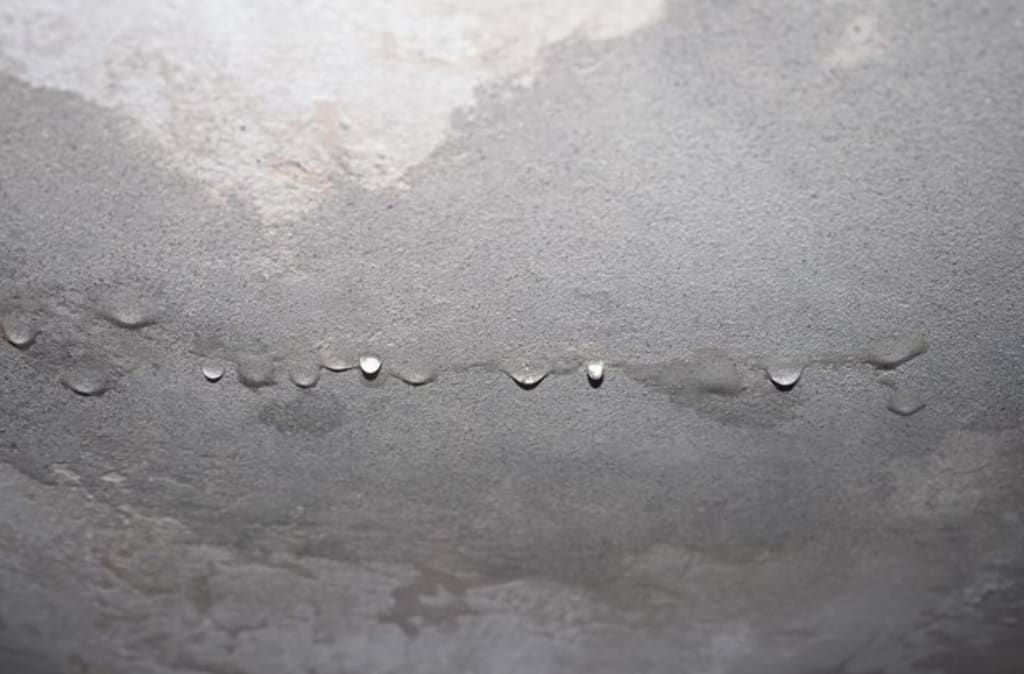
Moisture testing is a critical process in flooring installation, particularly when working with concrete subfloors. Understanding the moisture content of concrete is essential to ensure the longevity and integrity of floor coverings.
This article provides an in-depth look at moisture tests for flooring, focusing on their importance, methods, and the role of concrete testing services.
Importance of Moisture Testing
Concrete is inherently porous and can retain moisture even after it appears dry on the surface. This retained moisture can lead to various problems, including:
- Mold and Mildew Growth: Excess moisture creates an environment conducive to mold, which can pose health risks.
- Flooring Damage: High moisture levels can cause organic flooring materials like hardwood to rot or degrade. Additionally, it can lead to warping, bubbling, or bowing of various floor types.
- Adhesive Failure: Many modern adhesives are sensitive to moisture; excessive levels can compromise their effectiveness, leading to floor failure.
Given these risks, conducting a moisture test before installing any flooring material is crucial. It helps determine whether the concrete slab is suitable for the intended flooring type.
Common Moisture Testing Methods
There are several methods for testing concrete moisture, each with its own advantages and limitations. The most widely recognized methods include:
Relative Humidity (RH) Testing
The ASTM F2170 standard outlines this method as one of the most reliable ways to assess moisture conditions within concrete slabs. It involves inserting in-situ probes into the slab to measure the relative humidity at various depths.
This method provides a comprehensive understanding of moisture levels throughout the slab, making it a preferred choice for many flooring professionals.
Calcium Chloride Test
This method measures the moisture vapor emission rate from the surface of the concrete using calcium chloride pellets.
While historically popular, it has limitations as it only assesses moisture at shallow depths and may not accurately reflect deeper moisture conditions.
Plastic Sheet Method (ASTM D4263)
In this test, a plastic sheet is taped down on the concrete surface for 72 hours. After this period, humidity levels beneath the sheet are measured. This method is relatively simple but may not provide as detailed information as RH testing
Conducting a Moisture Test
When preparing for a moisture test, consider the following steps:
- Preparation: Ensure that the concrete surface is clean and free from debris.
- Select Testing Method: Choose an appropriate testing method based on project requirements and manufacturer specifications.
- Conduct Tests: Follow the specific protocols for each testing method to obtain accurate results.
- Analyze Results: Compare results against acceptable moisture levels specified by flooring manufacturers.
Acceptable Moisture Levels
Different flooring materials have varying tolerance levels for moisture content:
- Hardwood Floors: Typically require a maximum moisture content of 8-12%.
- Vinyl and Linoleum: Generally tolerate higher levels but should still be tested before installation.
- Carpet and Padding: Should be installed over concrete with a maximum relative humidity of around 75%.
Understanding these thresholds helps in selecting suitable flooring materials and adhesives.
Role of Concrete Testing Services
Engaging professional concrete testing services ensures that accurate and reliable moisture testing is performed. These services offer specialized equipment and expertise to carry out various tests effectively. They also provide:
- Detailed Reports: Professional services often deliver comprehensive reports outlining findings and recommendations based on test results.
- Expert Guidance: Experienced technicians can advise on appropriate flooring materials based on specific site conditions.
- Mitigation Strategies: If excessive moisture is detected, professionals can suggest remediation strategies to address underlying issues before installation.
Conclusion
Moisture testing is an essential step in flooring installation that cannot be overlooked. By understanding the different methods available and their significance, property owners and contractors can prevent costly failures due to excess moisture.
Utilizing professional concrete testing services not only ensures accurate results but also provides peace of mind that your flooring project will proceed smoothly.
In summary, whether you’re installing hardwood floors or resilient vinyl, conducting a thorough moisture test with reliable methods like RH testing or engaging professional services will safeguard your investment against future complications related to moisture issues in concrete slabs.
About the Creator
📢 Raise Your Voice Thread: 01/22/2026
Our “Raise Your Voice Threads” are hosted most alternating Thursdays at 12PM ET to offer creators more avenues to uncover exceptional stories on Vocal. As we are continuously searching for fresh creators and inspiring stories, this thread provides an opportunity to exchange and discuss the stories that have moved and motivated us on Vocal.
By Raise Your Voice by Vocal2 days ago in Resources




Comments
There are no comments for this story
Be the first to respond and start the conversation.