
What are the Best Foods High in Magnesium?
Foods High in magnesium
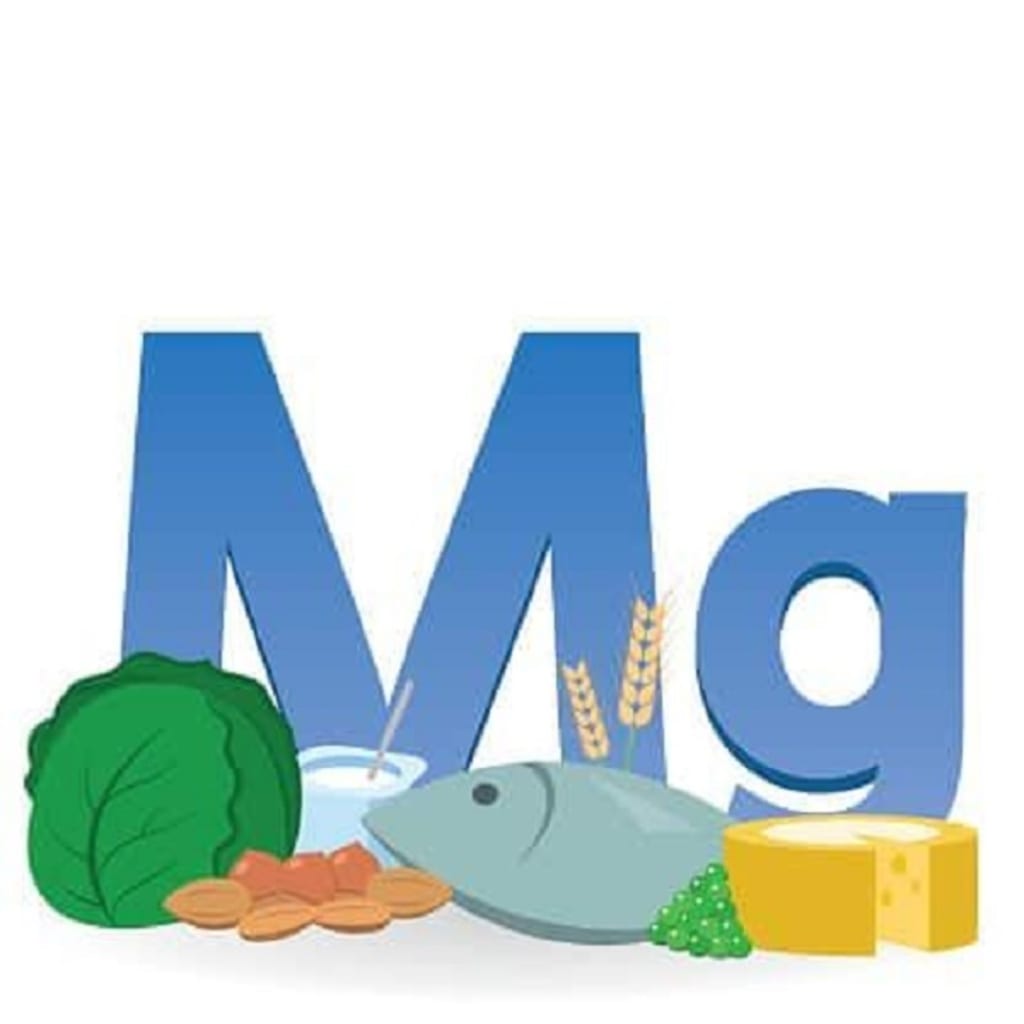
Top 5 Foods High in Magnesium
Magnesium is found in both animals and plants. However, most people don’t reach the daily value of magnesium. But you can meet your daily needs by consuming foods high in magnesium. Foods high in magnesium include dark chocolates, avocados, nuts, grains, leafy green vegetables, and dairy products.
1. Avacodos
Avocados are an incredible source of magnesium. One medium avocados contain 58mg of magnesium which is 14% of daily value (DV). Additionally, avocados are high in other vitamins including potassium, vitamin B, and vitamin K. They also contain fatty compounds that are good for cardiovascular health.
2. Nut and Grains
Nuts and Grain are good sources of magnesium. Nuts that are high in magnesium include Almonds and cashews. For example, 20g of cashew contains 83mg of magnesium which is 20% daily value. Additionally, Magnesium is abundant in most whole grains such as wheat, oats, and barley. For instance, white, all-purpose flour has 22 mg of magnesium per 100g.
3. Leafy Green vegetables
Foods High in Magnesium also include Leafy green vegetables such as spinach, swiss chard, and mustard greens. These vegetables have a significant amount of magnesium. They are not only low in calories but also packed with vitamins and minerals. For instance, One cup of cooked spinach contains about 157 mg of magnesium.
4. Dark Chocolate
Dark chocolate is an excellent source of magnesium and iron. It is considered a sweet fix for your magnesium deficiency. For instance, a 100 g serving of dark chocolate contains up to 228 mg of magnesium. However dark chocolate is also beneficial for heart health as it contains flavonols which are powerful antioxidants.
5. Dairy Products
Dairy products such as milk, cheese, eggs, and yogurt contribute notably to dietary magnesium. For instance, a medium yogurt bowl contains 29 mg and the standard cup of milk contains 25 mg of magnesium. And, cheese also contributes moderate amounts of magnesium, with certain varieties offering approximately 7 mg per ounce.
Should I take magnesium supplements?
The majority of people obtain more than enough magnesium from their diet and do not require supplements. Because excessive amounts of the mineral can be harmful to health. However, as we age, our bodies can no longer create enough vitamins and minerals, thus one of the best ways to minimize magnesium deficiency is to take supplements.



Comments
There are no comments for this story
Be the first to respond and start the conversation.