
What a Viral Collab Taught About Reaching Non-Readers
How a meme-fueled campaign turned a Filipino middle grade book into a digital storytelling success.

Not All Readers Start with Books
Not everyone discovers reading in the aisles of a library or through a beloved bedtime story. For many, especially digital-native youth, the gateway to literature isn’t ink on paper — it’s the scroll of a screen, a short video clip, or a viral meme. And in the age of algorithm-driven attention, some of the most effective storytelling doesn’t begin with a book at all. Instead, it starts where readers are already looking: on their phones.
In recent years, a number of Filipino middle grade authors have quietly revolutionized how stories reach audiences. The key? Meet non-readers where they are — not just with good stories, but with culture-savvy collaborations that spark curiosity before a single page is turned.
The Role of Pop Culture in Bridging Gaps
Popular culture has long been the unspoken ally of literature. From Harry Potter references on Tumblr to booktok’s obsession with emotionally devastating plot twists, mainstream media and fandoms often guide young audiences into the world of books.
For Filipino middle grade books, this interplay between pop culture and literature is more than just helpful — it’s crucial. At a time when fewer young readers are picking up books for leisure, creating pathways that feel natural and exciting is essential. Pop culture doesn’t just make books relevant; it makes them feel like part of a larger conversation.
When Memes Meet Manuscripts
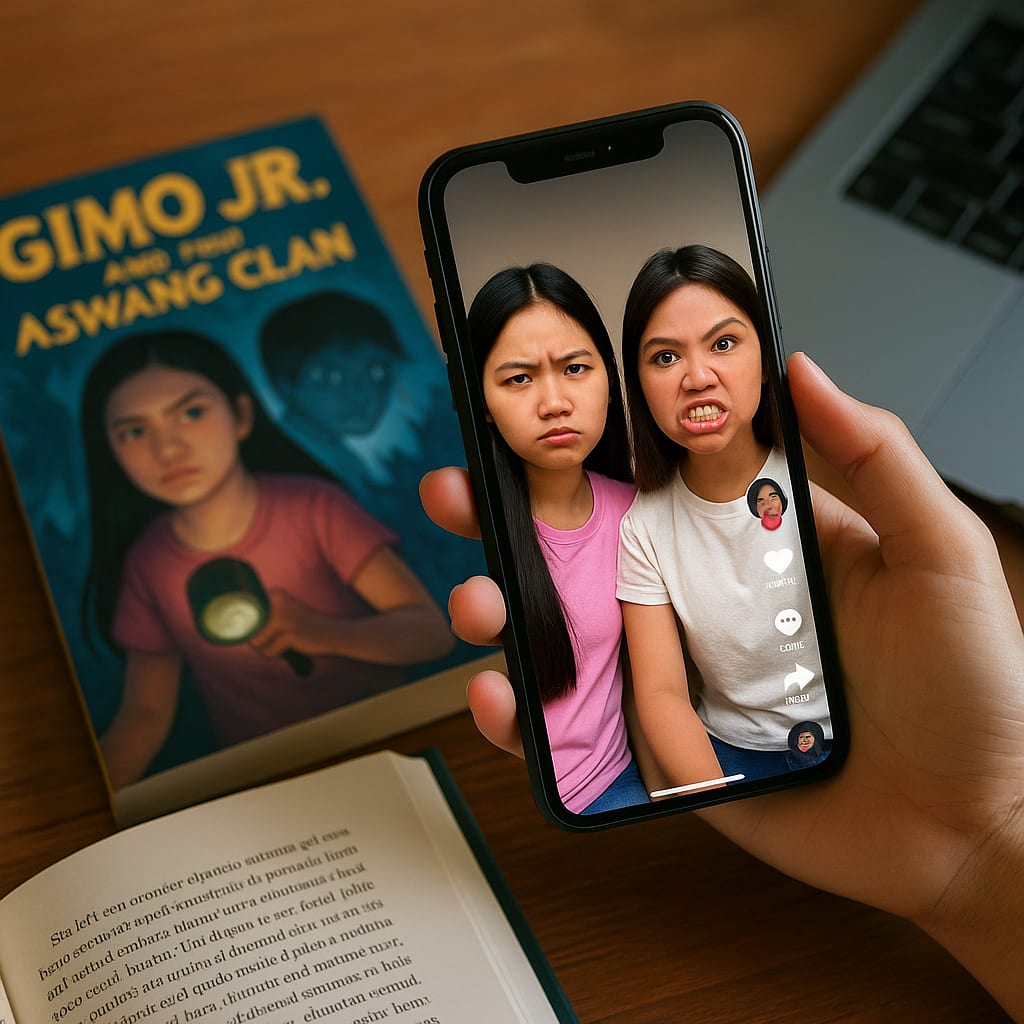
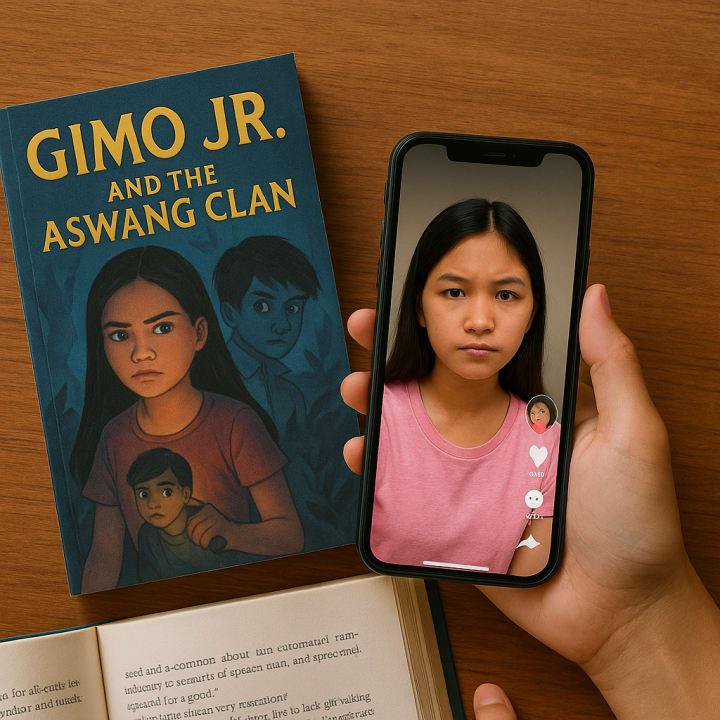
Earlier this year, an unexpected collaboration caught the attention of Gen Z across the Philippines. A Filipino middle grade book titled Gimo Jr. and the Aswang Clan was at the center of a playful yet pointed campaign featuring none other than the internet-famous Pabebe Girls. The result wasn’t just internet gold — it was a masterclass in how storytelling can extend beyond the printed page.
What made this campaign stand out wasn’t just its humor. It was how seamlessly it wove together nostalgia, cultural relevance, and the unpredictable nature of meme culture. The Pabebe Girls, known for their chaotic yet confident energy, brought a fresh lens to the mythical themes in Gimo Jr., creating a conversation that felt both organic and buzzworthy.
This wasn’t just a marketing stunt. It was one of several unconventional literary campaigns helping to redefine how literature connects with youth today. And for non-readers — especially those who may have never seen themselves in a book before — it was an invitation disguised as entertainment.
Digital Entry Points to Literature
Book trailers, character TikToks, and fandom quizzes aren’t just marketing fluff. They’re entry points. For young audiences who might be intimidated by a 200-page novel, these digital touchpoints offer a non-threatening glimpse into the storyworld — a way to sample the flavor before diving in.
The rise of Filipino middle grade authors who understand these platforms is no coincidence. These writers are not just crafting compelling narratives — they’re building transmedia ecosystems around their books. They understand that to hook a young, often reluctant reader, you need more than a good first line. You need an entire vibe.
Take, for instance, the Instagram strategy behind Gimo Jr. and the Aswang Clan. Stylized quotes, character mood boards, and reaction memes transformed the book’s themes — family legacy, supernatural secrets, and Filipino folklore — into bite-sized, shareable content. Each post became a digital breadcrumb, guiding followers toward the actual story.
Lessons from Non-Traditional Campaigns
What’s working isn’t a hard sell — it’s cultural fluency. These campaigns don’t talk down to kids or preach about the importance of reading. Instead, they engage them on their level, using humor, nostalgia, and identity to pull them in.
There are three major takeaways from these campaigns:
1. Cultural Specificity Wins
Filipino middle grade books that embrace local folklore, slang, and humor resonate more deeply than sanitized global narratives. When kids see their own lives and language reflected, the story becomes theirs.
2. Collaborations Create Curiosity
Partnering with viral personalities or creators outside the traditional literary space brings in fresh eyes. When the Pabebe Girls yell “Don’t mess with Gimo Jr.!” in a TikTok skit, that’s not just content — it’s a callout to a whole new audience.
3. Non-Readers Aren’t Disinterested — They’re Untapped
The idea that kids today don’t like to read overlooks how much content they’re actually consuming — it just looks different. They may not be holding paperbacks, but they’re deeply engaged with stories, characters, and fan culture. The challenge is translating that energy into a love for books.
Conclusion: Redefining Book Promotion
The success of campaigns like Gimo Jr. and the Aswang Clan’s Pabebe Girls collab proves that the future of reading lies in crossovers — between media, between cultures, and between communities. For Filipino middle grade authors, this means embracing experimentation, humor, and heart.
It also means understanding that the path to becoming a reader isn’t linear. For some, it starts in a bookstore. For others, it starts with a TikTok, a meme, or a viral soundbite.
As the definition of what it means to “read” evolves, so too must the way books are shared. With every playful post and pop culture tie-in, we’re reminded that stories don’t just live in books — they live wherever curiosity begins. And sometimes, all it takes is one viral collab to light the way.
About the Creator
Maxine Dela Cruz
Maxine Dela Cruz is a storyteller who writes about culture, events, and youth media. Her work captures how books, traditions, and collaborations influence how we grow up and who we become.
Keep reading
More stories from Maxine Dela Cruz and writers in Writers and other communities.
How Local Events Can Shape Lifelong Readers
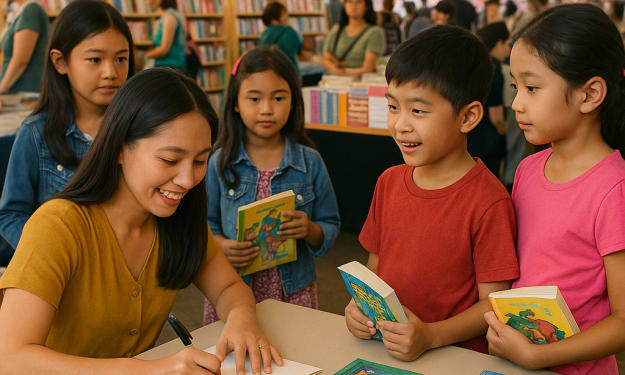
In neighborhoods big and small, a curious kind of magic happens when local events bring books into the public square. Whether it's a weekend book fair, a library-hosted author talk, or a street corner storytelling session, these gatherings do more than fill schedules—they spark something foundational. They transform reading from a solitary act into a shared experience, especially for young minds learning how stories can shape their view of the world. For many children, community events become the gateway into reading as a lifelong habit.
By Maxine Dela Cruz8 months ago in Writers



Comments (1)
It's cool how Filipino middle grade authors use pop culture to get non-readers into books. That Gimo Jr. campaign was clever!