
Web Development for Startups 2024 – Essential Solutions
Introduction
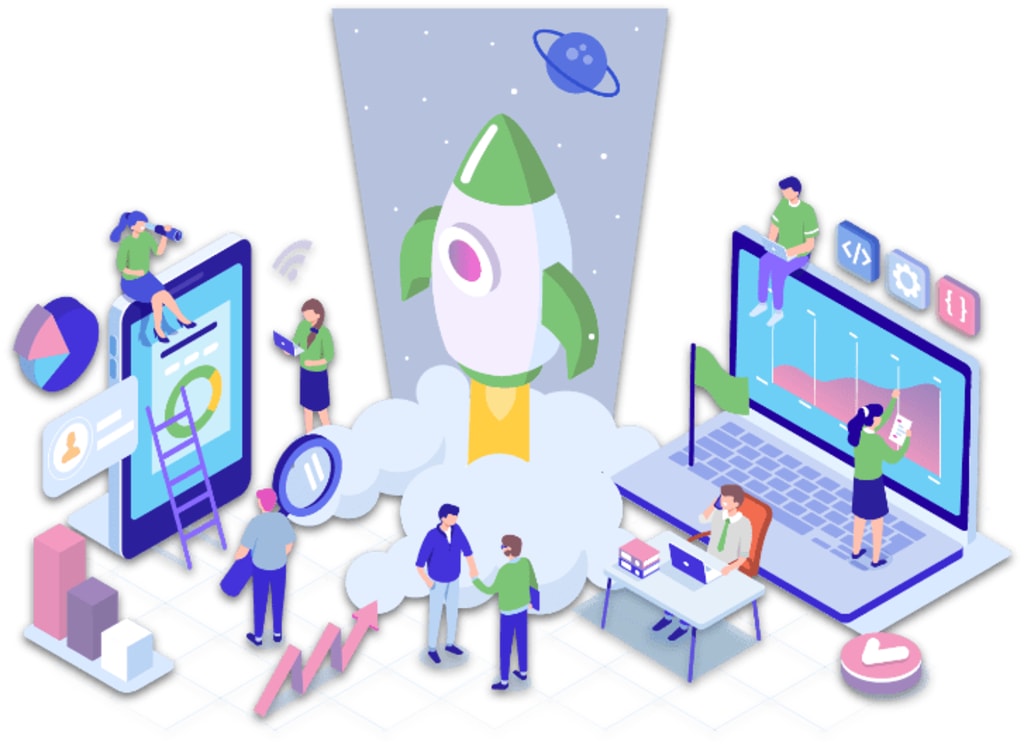
In the ever-evolving landscape of 2024, startups face fierce competition, and a solid online presence is more crucial than ever. Web development isn't just about having a functional site anymore—it's about leveraging cutting-edge technology to drive growth, visibility, and success. So, what are the best web development for startups in 2024? Let's dive into the essential strategies every new business should consider.
Understanding the Basics of Web Development
Before we explore the latest trends, it's important to have a foundation. Web development encompasses the work involved in building and maintaining websites. It can be broken down into two key areas:
Frontend Development: The visible part of the website (what users see and interact with).
Backend Development: The server-side logic, database management, and everything that happens behind the scenes to keep a website running smoothly.
Mastering both is crucial for a high-performing site that doesn’t just work well but also offers an exceptional user experience.
Key Web Development Trends in 2024
As we move into 2024, several trends are shaping the way startups approach web development:
AI and Machine Learning Integration: AI-driven websites are becoming increasingly common, with features like chatbots and personalized user experiences. This can give startups an edge in customer service and operational efficiency.
Progressive Web Apps (PWAs): These are web apps that look and behave like native mobile apps, providing a seamless experience across devices.
Headless CMS Platforms: This approach separates the front and back end of a website, allowing greater flexibility in how content is managed and displayed.
Serverless Architecture: Serverless computing eliminates the need to manage physical servers, which is ideal for startups that need to focus on agility and scaling without infrastructure headaches.
Why Startups Need Customized Web Development Solutions
Startups aren’t one-size-fits-all, and neither should their websites be. Customization allows startups to address their unique challenges, like rapid growth and fluctuating traffic demands. Startups also need to be mindful of their flexibility and scalability—the ability to adapt to new trends without constantly rebuilding the site from scratch.
Choosing the Right Tech Stack
Your tech stack is essentially the toolkit used to build your website, including programming languages, frameworks, and libraries. In 2024, popular tech stacks for startups include:
JavaScript frameworks like React and Vue.js for frontend development.
Node.js and Django for backend development.
GraphQL for managing APIs.
Selecting the right tools ensures your website is built for performance, security, and scalability.
Responsive Design: Mobile-First Approach
In today's world, a mobile-friendly site isn't optional—it's a must. With more people accessing the web from mobile devices, startups should adopt a mobile-first design. This means the website is designed for mobile devices first and then scaled up for larger screens. Key elements include fast loading times, touch-friendly navigation, and simple yet effective layouts.
E-commerce Web Development for Startups
Thinking of launching an e-commerce startup? Building a site from scratch involves more than just displaying products. You need to integrate features like:
Secure payment gateways
User-friendly product catalogs
Robust security features to protect customer data
Startups in e-commerce should also think about the ease of future expansion as their product range grows.
The Role of User Experience (UX) and User Interface (UI) Design
Great design doesn’t just attract customers—it keeps them. A website's UX/UI design plays a massive role in customer retention. It’s important to focus on:
Ease of navigation: Can users find what they’re looking for easily?
Visual appeal: Does the website reflect your brand and engage visitors?
A smooth user experience is critical for converting visitors into customers.
Low-Code and No-Code Web Development Solutions
Not every startup has a team of developers ready to build a site from scratch. That’s where low-code and no-code platforms come into play. These tools allow non-technical founders to build functional websites quickly using pre-built templates and drag-and-drop features. Popular platforms include Webflow, Wix, and Bubble.
SEO Optimization and Digital Marketing Integration
You can’t just build a website and hope people will find it. Search Engine Optimization (SEO) is essential for driving traffic to your startup’s site. This includes optimizing for:
Keyword relevance
Page speed
Mobile usability
Integrating digital marketing strategies, such as content marketing and social media efforts, helps increase visibility.
Security Solutions in Web Development
Cybersecurity threats are at an all-time high. For startups, a security breach can be devastating. Some essential security solutions include:
SSL certificates for encryption
Regular software updates
Secure payment processing systems
Investing in security is an investment in the long-term health of your business.
Performance Optimization and Scalability
In the startup phase, you might not expect thousands of daily visitors, but scalability should be top of mind. Performance optimization ensures that your site runs smoothly, even as traffic increases. Tools like CDNs (Content Delivery Networks), image compression, and caching can improve loading speeds and scalability.
Web Hosting Solutions for Startups
Choosing the right web hosting provider is another important step. Common hosting options include:
Shared Hosting: Ideal for startups on a tight budget.
Cloud Hosting: Allows for more scalability and flexibility.
Dedicated Servers: Best for businesses expecting high traffic from the start.
Cost-Effective Web Development for Startups
Finally, let’s talk about cost. Startups often work with limited budgets, but it’s possible to balance cost and quality. Here are some tips:
Opt for open-source frameworks
Use a mix of freelance developers and in-house talent
Leverage free or low-cost marketing tools
With smart planning, you can develop a high-quality website without breaking the bank.
Conclusion
In 2024, the world of web development for startups is more dynamic than ever. From AI integrations to scalable architectures, the possibilities are endless. What matters most is that your website reflects your brand’s unique needs and is built for future growth. Choose the right tech stack, stay on top of security, and invest in performance, and your startup’s website will be primed for success.
About the Creator
Keep reading
More stories from writers in Writers and other communities.
Emerging Trends in Healthcare RAG Systems
Retrieval-Augmented Generation (RAG) is rapidly evolving in healthcare, driven by the need for accuracy, explainability, and regulatory compliance. Below are the key trends shaping how healthcare organizations are adopting and scaling RAG systems.
By Lilly Scott4 days ago in Writers
Affection and Healing for Yourself
During the night of the last quarter moon, I gathered my ritual supplies. I carefully handled the chunk of black tourmaline that would protect me from your overall negative and narcissistic energy. I carefully walked the house with my stick of selenite in hand, asking the universe to cleanse our working space.
By Alisha Wilkins ✒️🦋🖋️8 days ago in Fiction




Comments