
Ways to Improve Your Product Quality Without Increasing Production Costs
Improve Your Product Quality

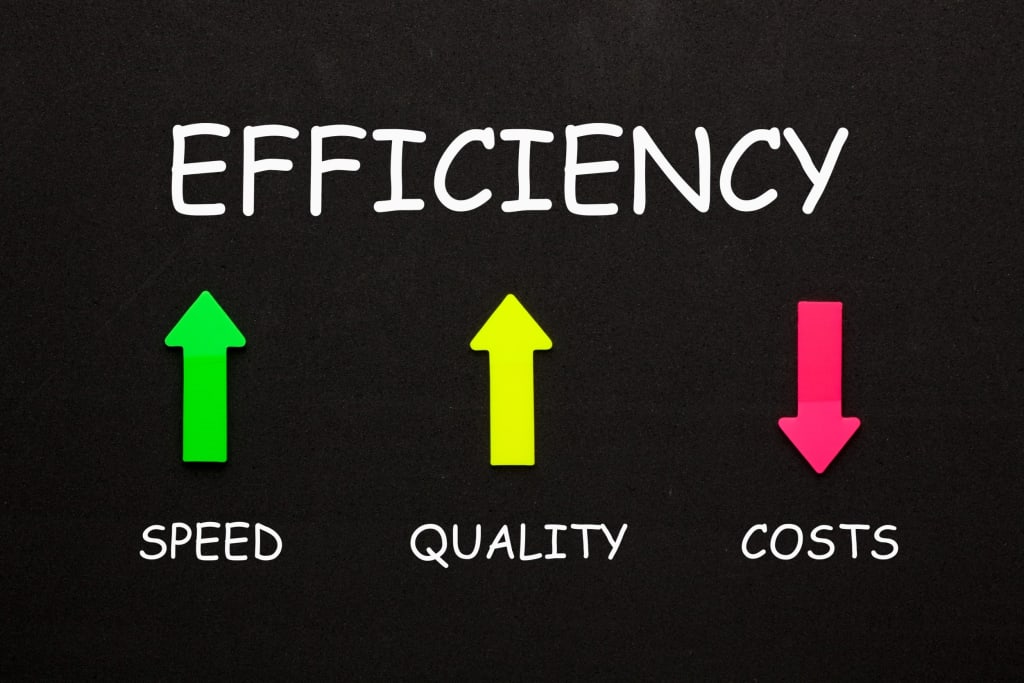
Improving product quality is often viewed as an expensive, time-consuming endeavor. Many business owners assume that to make a better product, they need to invest in higher-end materials, advanced machinery, or more staff. But that’s not always the case. In fact, some of the most effective ways to improve quality don’t require additional spending at all—just smarter strategy.
Whether you’re a small manufacturer, a startup founder, or a solo maker, there are practical ways to raise your quality standards without increasing production costs. Let’s explore proven, cost-effective methods to upgrade your product quality while keeping your budget intact.
1. Standardize Your Processes
One of the biggest causes of inconsistent product quality is inconsistency in your production process. If each unit is made slightly differently depending on the day, the worker, or the tools used, you're bound to end up with variability and unhappy customers.
Creating and following standard operating procedures (SOPs) can dramatically improve consistency. These SOPs should outline every step of the production process, from materials handling to finishing touches. When your entire team follows the same procedures every time, your output becomes more predictable and better overall.
Start small. Even documenting simple steps like how to measure materials or package items can make a big difference.
2. Use the Right Measuring Tools
Precision is essential in product manufacturing. Whether you're making handmade soap, custom clothing, electronics, or furniture, accuracy in measurement determines whether your product looks, feels, and performs as expected.
The problem? Many small businesses use outdated, generic, or low-quality measuring tools that aren’t suited to their specific needs. This leads to small errors that snowball into quality control problems and customer dissatisfaction.
Upgrading or simply selecting the correct tools for your workflow doesn’t have to cost much and it can have a massive impact on your quality. If you're not sure where to begin, this detailed guide can help you choose the right measuring tools for your product line.
3. Focus on Preventive Maintenance
Production downtime isn’t just frustrating it often leads to rushed work, skipped steps, and lower product quality. Many issues stem from poorly maintained equipment or tools that aren’t performing as they should.
Instead of waiting for things to break, implement a preventive maintenance schedule. This can be as simple as cleaning tools regularly, checking calibration, or setting reminders for equipment inspections. Taking care of your machines and tools helps maintain their performance and prevents small issues from snowballing into expensive defects.
4. Empower Your Team to Own Quality
Your workers are the first line of defense when it comes to quality. If they’re disengaged or unsure of what to look for, it’s easy for problems to slip through.
Investing in basic team training can go a long way. Help them understand what quality looks like for your product, and encourage them to speak up when they notice a potential issue. Creating a culture where team members feel responsible for the end result makes them more attentive and careful—which translates into better products.
5. Leverage Customer Feedback
If you're not actively listening to your customers, you're missing one of the best sources of quality insight. Reviews, returns, and even complaints can reveal what aspects of your product need improvement.
Are customers reporting sizing issues? Packaging failures? Functionality problems? Instead of guessing, use this feedback to pinpoint areas that can be improved without throwing more money at the issue. Often, what customers want is consistency, not luxury.
Create a feedback loop where customer input is reviewed regularly and tied back to production decisions. This allows you to continuously improve without blindly adding costs.
6. Minimize Material Waste
Using more materials doesn’t always lead to better products. In fact, excess material often adds unnecessary costs without increasing perceived value.
Focus on material efficiency. Look for ways to reduce scrap, optimize cuts, or repurpose waste. For example, switching to templates, batch cutting, or lean inventory systems can help you reduce material usage and improve consistency. Not only does this reduce cost—it also makes your business more sustainable.
7. Track and Analyze Key Quality Metrics
If you’re not tracking your product quality, it’s hard to improve it. But you don’t need fancy software to get started. Use simple spreadsheets to monitor metrics like defect rate, first-pass yield, or return frequency. Over time, patterns will emerge that can guide smart changes in your production line.
Real-time data helps you catch problems early and measure the impact of any changes you implement. This insight often uncovers low-effort, high-impact fixes that elevate product quality at little to no cost.
Final Thoughts
You don’t need a bigger budget to make a better product. In fact, some of the most effective quality improvements come from rethinking how you work—not spending more money. By optimizing your processes, engaging your team, listening to customers, and using the right tools, you can produce high-quality products without driving up production costs.




Comments
There are no comments for this story
Be the first to respond and start the conversation.