
Water: Tap or Bottle
Bottle or Tap - stay hydrated, but remember the impact behind every bottle.

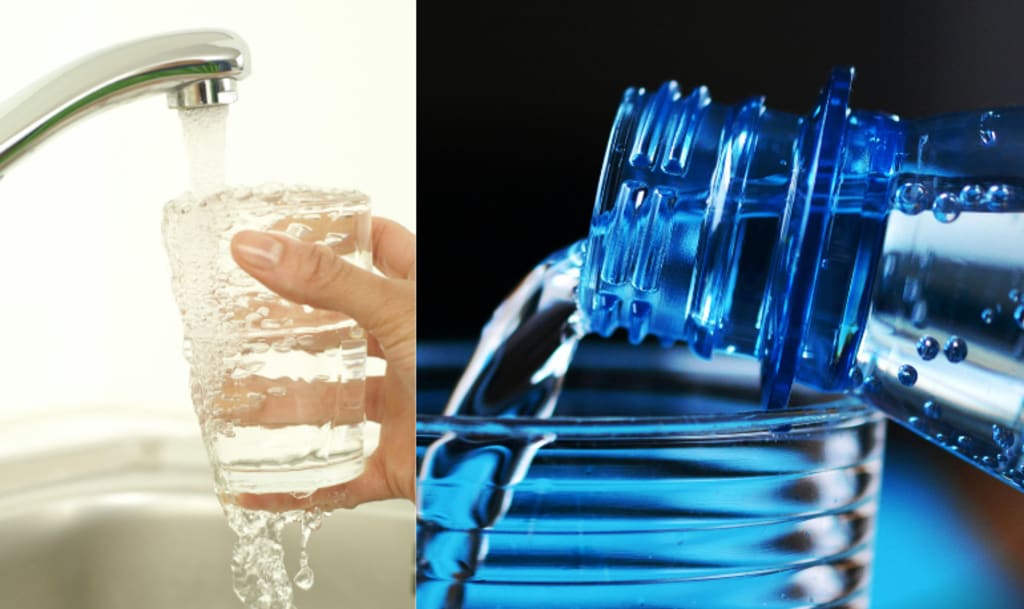
In today's world, the choice between tap water and bottled mineral water is more than a matter of personal preference; it encompasses considerations of health, environmental impact, cost, and convenience. This editorial delves into the distinctions between these two water sources, aiming to provide a balanced perspective to inform your daily hydration decisions.
1. Health and Safety Considerations
A common perception is that bottled mineral water is inherently safer than tap water. However, this assumption doesn't always hold true. In the United States, for instance, tap water is regulated by the Environmental Protection Agency (EPA), which mandates rigorous testing and adherence to safety standards. Conversely, bottled water falls under the jurisdiction of the Food and Drug Administration (FDA), which has less stringent testing requirements. Notably, studies have revealed that a significant percentage of bottled water samples contain microplastics, raising concerns about potential health implications.
Furthermore, research has indicated that certain bottled water brands may harbor heterotrophic bacteria, which, while not necessarily harmful to healthy individuals, could pose risks to those with compromised immune systems. In contrast, tap water in many developed countries undergoes continuous monitoring and treatment to ensure its safety for public consumption.
2. Environmental Impact
The environmental footprint of bottled mineral water is considerably larger than that of tap water. The production, packaging, and transportation of bottled water consume significant amounts of energy and resources. For example, manufacturing plastic bottles requires substantial quantities of petroleum, and the bottling process itself is water-intensive. Additionally, the disposal of plastic bottles contributes to environmental pollution, with many ending up in landfills or oceans.
In contrast, tap water is delivered through existing infrastructure, eliminating the need for packaging and reducing transportation emissions. By choosing tap water, individuals can significantly decrease their environmental impact and contribute to sustainability efforts.
3. Cost Analysis
From a financial standpoint, tap water is markedly more economical than bottled mineral water. In the United States, for instance, tap water costs approximately $0.005 per gallon, whereas bottled water can cost up to $9.47 per gallon when purchased in single-serving bottles. This stark difference highlights the cost-effectiveness of tap water, especially for households aiming to manage expenses.
Moreover, investing in a home water filtration system can further enhance the quality of tap water, providing a cost-efficient alternative to purchasing bottled water regularly.
4. Taste and Mineral Content
Taste preferences between tap and bottled water vary among individuals and regions. Bottled mineral water often contains higher concentrations of minerals like calcium and magnesium, which can impart a distinct taste. Some consumers prefer this mineral-rich flavor, while others may find it less palatable.
Tap water's taste can be influenced by its source and treatment process. In areas with hard water, the presence of minerals may affect the taste, but using water softeners or filters can mitigate this issue. Ultimately, taste is subjective, and both water sources can be adjusted to meet individual preferences.
5. Convenience and Accessibility
Bottled mineral water offers convenience, particularly in situations where tap water is unavailable or of questionable quality. It's a practical choice for travelers, outdoor activities, or emergency preparedness. However, this convenience comes at a higher financial and environmental cost.
In contrast, tap water is readily accessible in most urban and suburban areas, providing a reliable and continuous supply. With the addition of portable water bottles and filtration systems, tap water can also be a convenient option for individuals on the go.
6. Regulatory Oversight and Quality Assurance
The regulatory frameworks governing tap and bottled water differ significantly. Tap water is subject to comprehensive regulations that require frequent testing for contaminants, ensuring public health protection. Bottled water, while regulated, does not always undergo the same rigorous testing, and oversight can vary depending on the jurisdiction.
Consumers should be aware of these differences and consider the reliability of their local tap water supply. In regions where tap water quality is high, it presents a safe and sustainable choice. In areas with compromised water infrastructure, bottled water may be a necessary alternative, albeit with considerations for cost and environmental impact.
What is your opinion?
About the Creator
Keep reading
More stories from writers in Writers and other communities.
TUS NUA - ch 49
TUS NUA – ch 49 New Beginnings – Mia and Midnight (*)(*)(*) As Mia spoke on the phone to Ali’s sister, Ellen, Finola slipped quietly away and walked to the stream behind Tus Nua. Carefully, she put a block on her family so no one could know what she was about to do.
By Margaret Brennan2 days ago in Fiction




Comments
There are no comments for this story
Be the first to respond and start the conversation.