
Unveiling the Pistons: Traditional vs. Cutting-Edge
Navigating the Path from Stalwart Durability to Futuristic Efficiency
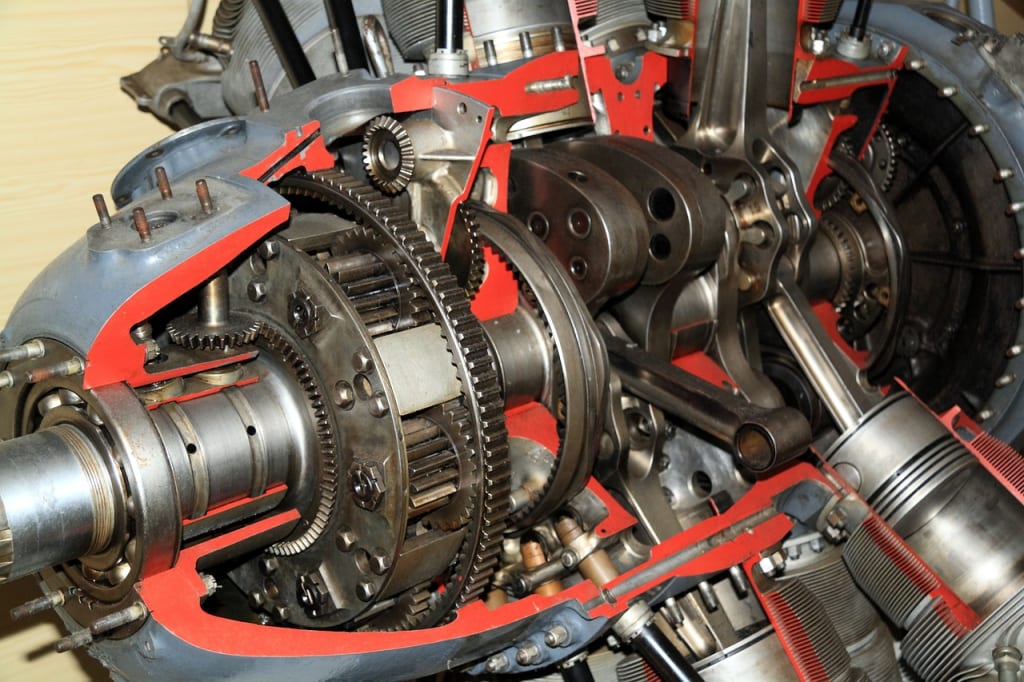
In the heart of every car's engine lies a crucial component: the piston rings. These inconspicuous rings play a pivotal role in maintaining engine integrity, sealing combustion chambers to prevent gas leakage and oil intrusion. For over a century, traditional piston rings crafted from durable materials like cast iron or steel have dominated the automotive landscape, known for their strength and endurance. However, in the ongoing automotive revolution, newer generations of piston rings have emerged, embracing lighter materials such as aluminum or titanium, coupled with innovative design approaches, to enhance engine efficiency while posing challenges to traditional durability.
Traditional vs. New-Gen Piston Rings: A Comparative Exploration
Legacy of Strength and Robustness: Traditional Piston Rings
Traditional piston rings, constructed from cast iron or steel, have been the bedrock of engine performance for generations. These rings, boasting a substantial cross-section, exhibit exceptional toughness and resilience, attributes vital in withstanding the rigors of engine dynamics. Yet, their sturdiness often translates into a susceptibility to wear and tear over time, prompting the need for regular maintenance and replacement.
Emergence of a New Era: New-Generation Piston Rings
In contrast, the newer breed of piston rings leverages advancements in materials science and engineering to introduce rings composed of lightweight substances like aluminum or titanium. These rings adopt a sleeker cross-section, allowing for more efficient motion within the engine cylinder. The adoption of these lighter materials, however, raises questions about the longevity of these rings in comparison to their traditional counterparts.
Breaking Down the Duel: Traditional vs. New-Gen Piston Rings
When comparing traditional and new-generation piston rings, several factors come into play:
Material Composition: Traditional rings rely on the formidable properties of cast iron or steel, while new-gen rings introduce the lightweight attributes of aluminum or titanium.
Cross-Sectional Dynamics: Traditional rings present a thicker profile, equipping them with the tenacity to endure wear. New-gen rings adopt a thinner cross-section, boosting engine efficiency but potentially impacting durability.
Durability vs. Efficiency: Traditional rings have an edge in durability due to their robust construction, while new-gen rings excel in fuel efficiency due to their lighter build.
Wear Resistance: Traditional rings, while prone to wear over time, offer a significant degree of wear resistance due to their construction. New-gen rings, though less durable, exhibit improved wear resistance due to innovative materials and designs.
A Symphony of Piston and Rings
A piston, resembling a cylindrical conductor, orchestrates the engine's performance. It moves rhythmically within the cylinder bore, connected to the crankshaft by a connecting rod. The piston rings, positioned within grooves on the piston, take on the role of sealing the combustion chamber, ensuring a harmonious balance of gases and oils.
The Impetus of Innovation: New-Gen Ring Benefits
The innovation embedded in new-gen piston rings introduces a host of advantages:
Enhanced Fuel Efficiency: The use of lighter materials and streamlined designs in new-gen rings translates into reduced friction and heat loss, enhancing fuel efficiency.
Emission Reduction: By optimizing combustion and improving fuel efficiency, new-gen rings contribute to diminished emissions, aligning with environmental concerns.
Extended Lifespan: Although new-gen rings might not match the durability of traditional rings, their improved wear resistance extends their operational life, leading to less frequent replacements.
Navigating the Choice: Traditional or New-Gen?
Deciding whether to adopt new-gen rings involves assessing factors such as engine type, driving conditions, and budget constraints. While new-gen rings offer undeniable advantages, they might entail a higher initial cost. Seeking counsel from automotive experts ensures an informed decision tailored to your vehicle's unique requirements.
The Road Ahead for Engines: Factors to Consider
As the automotive landscape undergoes transformation, some key points to remember include:
Affordability of Electric Vehicles: The cost of electric vehicles is projected to decrease over time, making them a more accessible choice.
Charging Infrastructure Development: The expansion of charging infrastructure for electric vehicles enhances their convenience and usability.
Stringent Emission Regulations: With increasing environmental concerns, car manufacturers face pressure to engineer cleaner internal combustion engines.
Synthetic Fuel Innovations: The emergence of synthetic fuels offers a promising avenue for making traditional engines more eco-friendly.
In conclusion, the traditional vs. new-gen piston ring debate echoes the broader shifts in the automotive industry. While traditional rings showcase endurance and reliability, new-gen rings exhibit a quest for innovation and efficiency. The journey towards a decision entails a thorough understanding of your vehicle's needs, weighing the scales between time-tested robustness and futuristic prowess. With the automotive arena poised for further evolution, the piston rings remain an emblem of this transformative journey, bridging the gap between the past and the future.
About the Creator
Keep reading
More stories from writers in Writers and other communities.
Learning Hurt First
Before learning ever felt like progress, it felt like punishment. No one tells you that at the beginning. They dress learning up as curiosity, as growth, as something gentle. They show you graduation photos and success stories and say, See? It was worth it. But they never show you the bruises learning leaves behind—the small humiliations, the quiet failures, the moments where you realize you don’t know as much as you thought you did.
By LUNA EDITHabout 21 hours ago in Writers




Comments
There are no comments for this story
Be the first to respond and start the conversation.