
"Unveiling the Moon: New Discoveries Stir Global Curiosity"
English

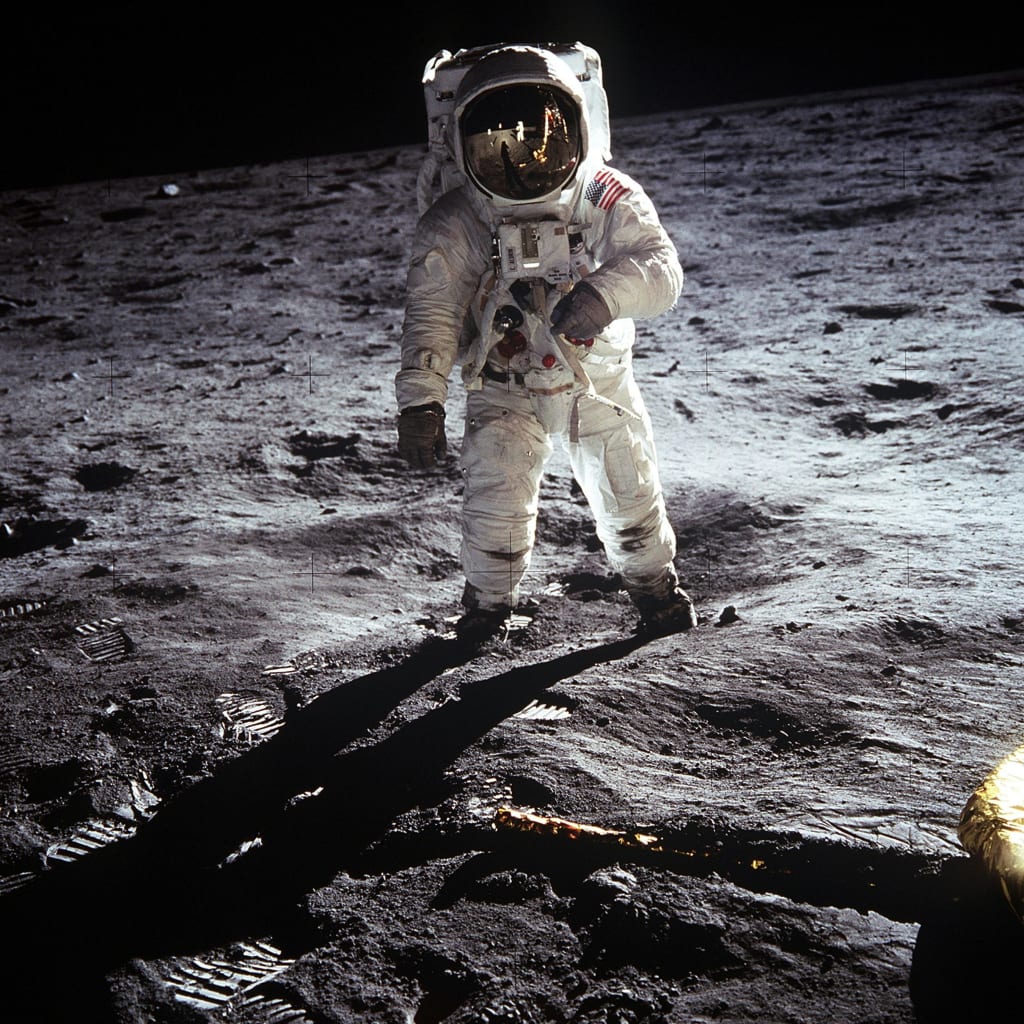
The Most Recent Developments Regarding the Moon in 2025: A New Period of Lunar Exploration As of 2025, the Moon has once again become the centerpiece of global space exploration efforts. Humanity is entering a new era of lunar science and technology thanks to increasing international cooperation, private sector involvement, and ambitious plans for the utilization of lunar resources. The main changes and updates are as follows: LUPEX 2025 is the joint mission of Japan and India. The LUPEX mission—Lunar Polar Exploration—is a joint venture between India's ISRO and Japan's JAXA. It is expected to launch in late 2025. The South Pole of the Moon, thought to contain significant quantities of water ice, is the focus of this mission. Advanced instruments designed to locate and evaluate lunar water resources will be carried by the LUPEX rover. Additionally, it will investigate the lunar soil's composition and the possibility of a long-term human presence. NASA and ESA are expected to contribute scientific payloads, marking a multi-nation cooperation in Moon exploration.
NASA is cutting its budget and moving toward commercial partnerships. NASA's budget was proposed to be significantly cut in 2025 by the United States government, bringing it down to $18.8 billion, or about 24% of its total funding. Consequently, a number of high-cost initiatives, such as the Space Launch System (SLS) and the Orion crew capsule, are being reevaluated or scaled back. However, this shift has led to greater emphasis on public-private partnerships, especially under NASA’s Artemis program, which aims to return astronauts to the Moon. SpaceX and Blue Origin, which used Starship as a lunar lander, and NASA continue to collaborate, bolstering the commercial sector's role in future lunar missions. Expanding Intergovernmental Cooperation Besides India and Japan, other countries are accelerating their lunar ambitions:
A 2026 robotic mission to the Moon's south pole has been announced by China as Chang'e-7. A lander, rover, and miniature flying probe will be used on this mission to look for water ice and explore the region. Russia’s Luna-26 mission, initially delayed, is now expected to launch in early 2026 to map the lunar surface in high resolution and support future landing missions.
The Moon Village concept—a vision of an international lunar research station that could be built in the 2030s—is also supported by the European Space Agency (ESA). Potential for Mining, Oxygen, and Water as Lunar Resources The Moon’s south pole remains the most desirable location for future missions due to the presence of permanently shadowed craters that could harbor water ice. Access to water is essential for both the production of rocket fuel (via electrolysis into hydrogen and oxygen) and the maintenance of human life. Resource mapping is the focus of several missions, including China's upcoming Chang's missions, NASA's VIPER rover (slated for 2026), and LUPEX. In-situ resource utilization (ISRU), or the idea of using lunar materials to support space operations, is currently being developed by engineers and scientists into technologies. 🛰️ Lunar Satellites and Communications
A new generation of lunar satellites is being launched to enhance the infrastructure for communication and navigation around the Moon in addition to surface exploration. NASA’s Lunar Gateway—a planned space station in lunar orbit—is still under development, with modules expected to begin arriving in 2026–2027.
In the meantime, private businesses are also developing communication networks tailored to the Moon, such as Nokia's lunar 4G network and Lockheed Martin's plans for constellations of satellites in cis-lunar space. The Future: Human Missions and Beyond NASA’s Artemis III mission, which aims to land humans on the Moon again, is now expected in 2027, delayed slightly due to funding and development timelines. The first person of color and woman to walk on the Moon will be on this mission, which will land close to the south pole. In parallel, private missions from SpaceX and Axiom Space are also in planning stages, potentially bringing civilian astronauts and researchers to lunar orbit or even the surface within the decade.
Last Thoughts There is more to the renewed global interest in the Moon than just a race to the moon. It reflects a deeper ambition: to establish a sustainable human presence beyond Earth, unlock lunar resources, and prepare for even more distant missions—to Mars and beyond. The Moon is more than just a destination in 2025; it is also a stepping stone toward humanity's future in space.
About the Creator
md emon
"A visionary wordsmith blending intellect and emotion, this genius writer crafts stories that challenge minds and stir souls. With a unique voice and timeless insight, their work redefines literature for a new generation."
Early March 2026: 4 Goals Accomplished
It's early March and I've now accomplished my 4th writing goal for the year of 2026. Before diving into the behind-the-scenes of it... why not tell you up front what that accomplishment was? I was published in a 2nd publication for this year. Published in Helix Literary Magazine out of Central Connecticut State University. You can read it for free right now!
By Stephen Kramer Avitabile7 days ago in Writers
My Process
This tiny episode, now recorded, becomes a testament to the way the mundane can be woven into the tapestry of a larger narrative, and I realize that the journal I am writing is itself a living document, constantly absorbing the present moment’s details.
By Forest Greenabout 8 hours ago in Writers




Comments
There are no comments for this story
Be the first to respond and start the conversation.