
Unlocking the Secrets to Successful Self-Publishing
Unlocking the Secrets to Successful Self-Publishing

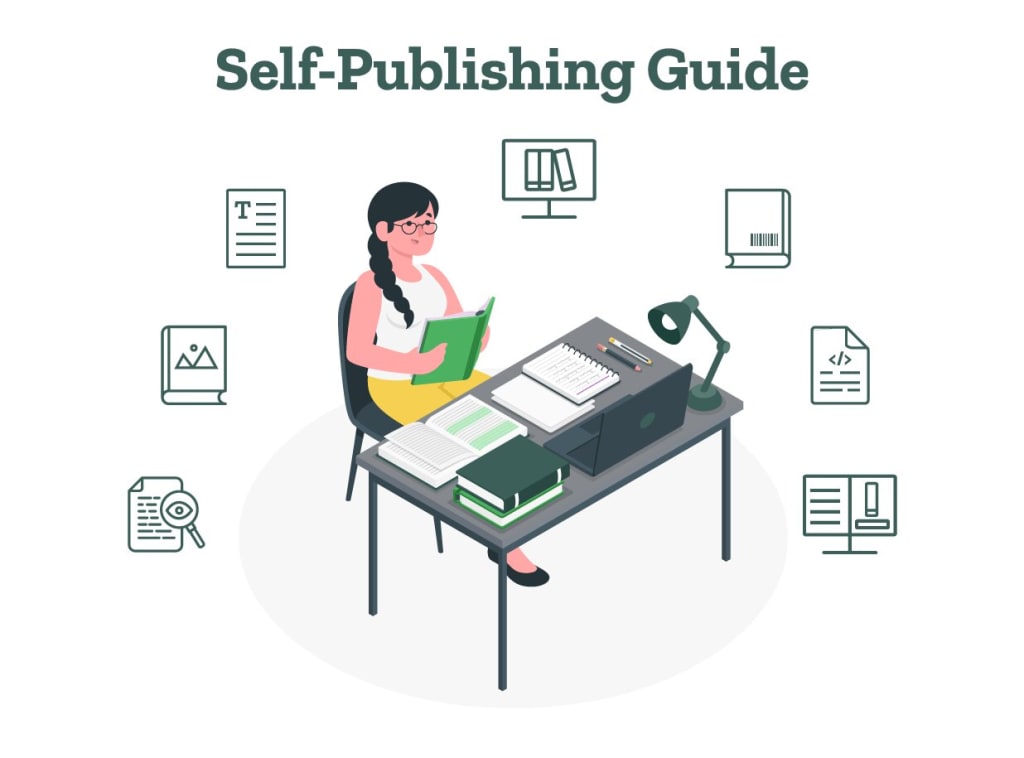
In recent years, self-publishing has revolutionized the way authors share their work with the world. No longer bound by traditional publishing constraints, writers can now take control of their publishing journey. This article outlines the self-publishing process step-by-step, providing aspiring authors with a roadmap to navigate this exciting and rewarding venture.
1. Writing Your Manuscript
The journey begins with writing your manuscript. This initial phase is crucial and involves not only crafting your story but also refining your ideas and developing a coherent narrative. Here are some tips for this stage:
- Set a Writing Schedule: Consistency is key. Allocate specific times for writing to build a routine.
- Outline Your Work: A detailed outline can help keep your narrative focused and organized.
- Seek Feedback: Engage beta readers or writing groups for constructive criticism during the writing process.
2. Editing
Editing is a critical phase that can make or break your book's success. It involves several layers:
- Self-Editing: Take a break after finishing your manuscript, then return to it with fresh eyes to identify inconsistencies, awkward phrasing, and plot holes.
- Professional Editing: Consider hiring a professional editor. There are different types of editing:
- Developmental Editing: Focuses on structure, plot, and character development.
- Line Editing: Enhances prose and style.
- Copy Editing: Checks grammar, punctuation, and consistency.
- Proofreading: The final polish, looking for typos and formatting issues.
3. Designing Your Book
The design of your book plays a significant role in attracting readers. This includes:
- Cover Design: A professional cover can make a big difference in sales. Invest in a designer who understands your genre and can create an eye-catching cover.
- Interior Formatting: The layout of your book should be clean and readable. Use formatting tools or hire a professional to ensure your manuscript is polished for print and digital formats.
4. Choosing a Self-Publishing Platform
Selecting the right platform is crucial for reaching your target audience. Some popular options include:
- Amazon Kindle Direct Publishing (KDP): A leading platform for eBooks and print books, providing wide reach and ease of use.
- IngramSpark: Ideal for authors looking to distribute both eBooks and print copies globally, especially in bookstores.
- Smashwords: A platform that distributes eBooks to various retailers, offering flexibility in formatting and publishing.
5. Setting Your Pricing and Royalties
Pricing your book appropriately is essential for maximizing sales and earnings. Consider the following:
- Research Market Prices: Analyze similar books in your genre to find a competitive price point.
- Understand Royalty Structures: Different platforms have different royalty rates; familiarize yourself with how much you’ll earn from each sale.
- Promotions: Consider introductory pricing or promotional strategies to boost initial sales.
6. Marketing Your Book
Once your book is published, the next step is marketing. Here are effective strategies:
- Build an Author Platform: Establish a website and social media presence to engage with readers and build a community.
- Utilize Email Marketing: Create a mailing list to keep potential readers informed about your book launch and future projects.
- Leverage Book Reviews: Reach out to bloggers and reviewers to generate buzz and credibility for your book.
- Participate in Virtual Events: Engage in online book tours, webinars, and social media events to promote your work.
7. Launching Your Book
A successful book launch can set the tone for your book’s performance. Consider these steps:
- Plan a Launch Event: Whether virtual or in-person, hosting an event can generate excitement and encourage sales.
- Utilize Pre-Orders: If possible, set up a pre-order campaign to build anticipation and gather early sales.
- Engage with Readers: Interact with your audience through Q&A sessions, book signings, or readings to create a personal connection.
8. Post-Publication Activities
After your launch, keep the momentum going:
- Monitor Sales and Reviews: Keep track of your book’s performance and gather feedback for future projects.
- Continue Marketing: Don’t stop promoting your book after the launch. Use ongoing marketing strategies to reach new readers.
- Consider Follow-Up Projects: Think about sequels, spin-offs, or other related works to build on your success.
Conclusion
The self-publishing process can be a fulfilling journey that empowers authors to share their stories and knowledge without traditional barriers. By following these steps—writing, editing, designing, choosing the right platform, pricing, marketing, launching, and engaging in post-publication activities—you can navigate the world of self-publishing effectively. With dedication, creativity, and a strategic approach, your self-published book can reach its full potential and connect with readers worldwide.
About the Creator
Ryder Flint
Author
Keep reading
More stories from Ryder Flint and writers in Writers and other communities.
DIY Publishing: Your Comprehensive Guide to Self-Publishing Success
Self-publishing has revolutionized the literary landscape, empowering authors to take control of their work and share it with the world. This DIY approach allows for greater creative freedom and potential financial rewards. In this article, we’ll explore the essential steps to successfully self-publish your book, from writing and editing to marketing and distribution.
By Ryder Flintabout a year ago in Writers




Comments
There are no comments for this story
Be the first to respond and start the conversation.