
Unheard
A quiet struggle with misophonia


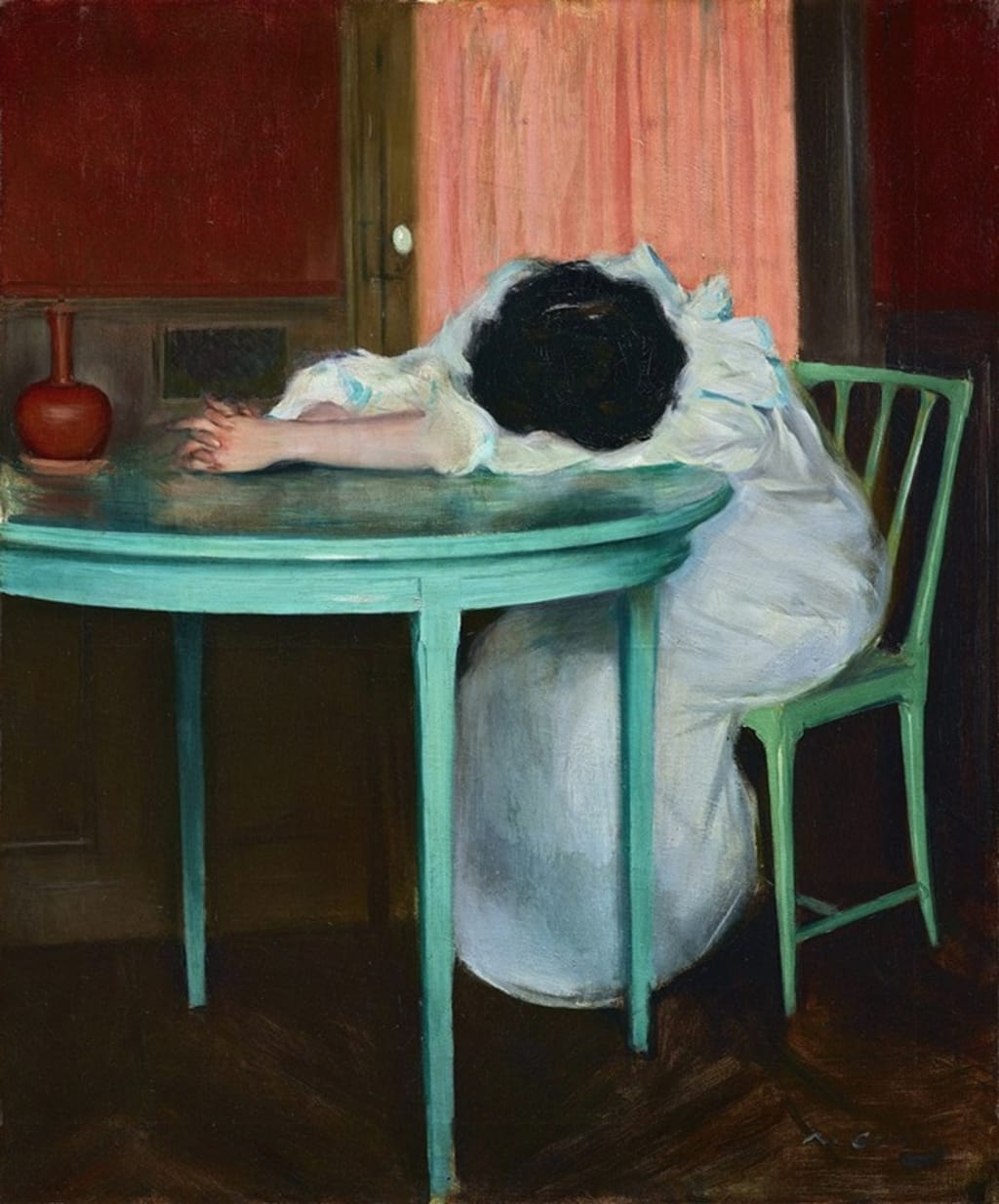
Video reading story below:
My greatest affliction is one I have held close to the chest my entire life.
I almost wish I could remember the first moment I felt it. Maybe if I could pinpoint it, figure out what went wrong, I could fix it. But I know it doesn't work that way.
I was probably seven or eight years old. I imagine I was probably in the car with my mom. She would chew gum a lot. Still does. Sure, it can be annoying when someone is obnoxiously smacking away on their gum. But that's almost certainly not what was happening here. It never was. Something clicked and turned on in the back of my brain.
Something said, "This has to stop now. Make it stop."
Relax. It's gum, it's fine.
"No. THIS HAS TO STOP." A fury rose in me. The noise wouldn't stop, and I had nowhere to go. I was in a car. There was no way to make it end.
I like to think I politely asked my mom to stop chewing like that. And she probably did. After all, this was the first time, so there was no heat behind either of our actions.
If only it stayed that way.
My aversion to sounds made by my mom went from just the gum to nearly everything in such a short time span, it was almost terrifying. And I hated myself for it. Eating at the dinner table became impossible. Some nights, I would be able to push through. Others would end with me throwing my fork down and running upstairs. Then I would lay on the floor in my room and weep.
"Am I crazy? Why am I like this? God, why did you do this to me?"

Someone would inevitably be at my bedroom door, probably saying something about how I needed to get over it. And I would keep crying. I was positive I was the only person in the world who dealt with this. After all, no one else ever talked about wanting to claw at their brain because they couldn't stand the sound of people eating.
My home life deteriorated in a lot of subtle ways. Basic things became impossible. There was noise everywhere in everything. Gum chewing, coughing, and throat clearing felt like a cacophony in the auditorium of my church every Sunday. Traveling with family and staying in a hotel room felt torturous. I would lay awake and cry as I listened to everyone else snoring away and sleeping peacefully around me. It felt as though it would never end.
And then school started to feel like torture as well. It wasn't just sounds made by my family that bothered me anymore. It was anyone and everyone near me at school who decided to chew gum, click their pen over and over, or sniffle endlessly because they had a cold.
I didn't lash out at people at school, but I did scream and yell at home because I felt like I could. My mom would often ask, "Do you do this to other people?" No. No, I didn't. I was a goody two-shoes at school. There was no way I was ever going to create problems for myself in the classroom like that.
Things got worse over time - because of course they did. For a long time, the only thing that bothered me was chewing or eating. But like I mentioned, it slowly became other things like pen clicking, throat clearing, sniffling, coughing, you name it. If a person was making a constant, rhythmic sound, it likely bothered me. Even visual movement. Someone bouncing their leg or kicking their foot with their legs crossed.
I cannot emphasize enough all of this made me feel like the single most insane person on the planet. Because why in the world would things like this bother anyone to the point of wanting to shove scissors in their ears just to make it all stop?
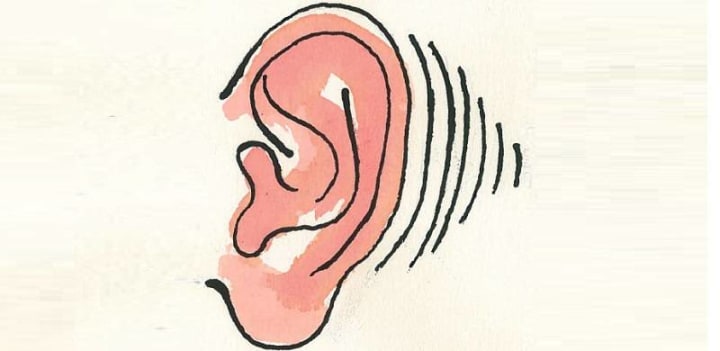
If I thought high school was bad, college was endless torment. I started college right around the time fidget spinners and other toys became a popular thing. Spoiler alert: those things make noise. In a weird way, it felt unfair to me that someone else got to use something like a fidget toy to help with their mental issue, and I just had to sit there and deal with mine. Honestly, imagine if I called someone out and said, "Hey, I know that helps you, but you're making me want to break something, so could you please stop?"
When I found out there was a word for all of this, I didn't know what to do with myself. I truly can't remember how I stumbled on this website, but I remember sitting in my dorm room my freshman year of college and reading about misophonia.
A neurological disorder characterized by an intense emotional and physiological reaction to specific sounds, wherein certain everyday sounds can trigger an extreme emotional response such as anger, anxiety, and distress.
I cried.
It wasn't just me. There was not only a word for it, but there were other people out there who experienced this same thing. This thing that has been the biggest demon of my entire life.
Not only is it heightened sensitivity to sound, it's actually due to an altered auditory processing system. Some experts believe the systems involved in hearing and the "fight or flight" response have increased connections in people who have misophonia.
It all finally made sense. Why I would become filled with both rage and an instinct to run away from these tiny little noises that made me want to slam my hands over my ears.

Life continued as it always had. Yes, I felt miles better knowing I wasn't somehow the one person on the planet like this. But classes were still hard to get through. Being at home during school breaks was tough. And don't even get me started on having a roommate who snored.
But you learn small ways to cope. Headphones were my best friend. Which also means I would tend to freak out if I forgot to take them with me. Playing white noise or having a fan on at night was crucial, especially when I had to share a room in college. Earplugs were always on standby, too.
College was also when I finally met another misophoniac. I was chatting with a girl I was somewhat friends with, and she kept alluding to being frustrated with small noises and how she struggled with studying in the library because of people being noisy, even on the quiet floors.
No way.
Screw it, I'm just gonna ask. "Do you know what misophonia is?"
"Yes!" She knew it, and she had it. She was exactly like me. It started as a kid, and she had dealt with it all her life. The only difference between us was her parents decided to take her to a doctor when she was young because they didn't know why she behaved that way. She got a diagnosis of misophonia very early on. While I was slightly jealous of this, it didn't necessarily make her life any easier. Just like I didn't magically improve after discovering the name, she didn't either.
I just wish I could go back in time to my younger self and let her know she wasn't crazy. I think of all the times I cried myself to sleep, wondering what I did. I hate that it took things from me - a sense of normalcy, not being able to enjoy time spent with family at home, and a blissful unawareness everyone else seemed to have.
But alas, life goes on. This will always be my demon. Now that I'm an adult and have dealt with this practically my entire life, I know myself and know what steps I need to take to stay sane.
Here are my coping mechanisms and tools:
1. EMPATHY - this is so hard. But actively making the choice daily to practice empathy has helped me immensely. Someone chewing gum? It's just gum. They're not doing this to hurt you. They're not doing this to make you mad. Put yourself in their shoes. It's not their fault. Again, I want to emphasize how difficult this is. I know this is better said than done. It takes practice. It's a daily choice.
2. Assurances/affirmations - keeping an internal dialogue of affirmations. If I hear a trigger, I immediately start a train of active thoughts. "It will stop. You will be able to escape it eventually. It is not endless. It will end."
3. Physical tools - headphones, sound apps, earplugs, etc. I always have my headphones and earplugs with me. The Calm app is always on standby (brown noise is my favorite). I also recommend Loop earplugs.
4. Know yourself - what are your limits? What situations can you actively avoid? What will set you off?
5. My very personal and likely unpopular opinion - don't tell people. Yes, I know I'm sitting here writing a whole essay about it. What I mean is don't tell the people you work with or go to school with. Should you tell family, friends, loved ones? If you think it will help and give you a good support system, go for it. However, I have had way too many instances of deciding to talk about misophonia with coworkers, and then one of them thinks it's the funniest thing in the world to do things to purposefully trigger me. "Oh, you hate my pen clicking? Now I'm gonna do it nonstop. Look at you getting all heated! So funny!" It's also very possible that telling the people around you will make them feel bad. "I didn't know I was bothering you! I'm so sorry!" As kind as this is, this is the last thing I want. It's my problem, not theirs. And then, there’s my least favorite flavor of a response: "Well, everyone gets annoyed sometimes. That doesn’t mean you have some special condition. I think you’re just irritable." Yes, someone really said this to me once. Now that was a whole other level of fury. I didn’t know how to explain to them how this was not the same and was something that very actively ruined my life. All in all, use discretion when telling others. Sometimes people just don’t need to know.
If any of this resonated with you, if you didn't know misophonia existed and that there was a word for your hatred of sound, welcome to the club! There are lots of us here. There is support out there for you. It's not just you. It was never just you. It's very real and a very heavy burden to carry.
Want help/info? A place to rant? Check these out:
About the Creator
Alivia Varvel
time is the most precious commodity
https://www.aliviavarvel.com/
Reader insights
Outstanding
Excellent work. Looking forward to reading more!
Top insight
Expert insights and opinions
Arguments were carefully researched and presented
Keep reading
More stories from Alivia Varvel and writers in Writers and other communities.
I Just Make It Up as I Go Along
I've never made a New Year's resolution in my entire life. Post-high school/college years is probably when one should start thinking about their future and what they want to achieve. College professors and advisors will frequently ask about what students want to achieve post-graduation. And a lot of us probably know the classic job interview question, "Where do you see yourself in five years?"
By Alivia Varvel2 years ago in Writers
Draft Deleting? Don't Do It!
Today, I had a little time. I decided that I would have a look at the drafts that I have on Vocal. This is part of a long-term wish to have everything I've written on paper rather than virtually. I've not looked at them for weeks and something drew me to them, just to browse and see what was there.
By Rachel Deeming15 days ago in Writers
Flower Bloom 369
FLOWER Bloom 2/25/26 Wednesday By Mariann Carroll Karen had been with Tony for 7 years. Tony started acting strangely after her surgery. He would mow the lawn in the rain and be on his cellphone. He started pushing Karen away. Tony came clean about seeing someone. Karen moved out two months later. Karen moved in with a friend. She felt betrayed.
By Mariann Carroll4 days ago in Fiction


Comments (8)
Excellently done, super insightful, thanks for sharing this. I really learned a lot!
So open and honest and refreshing to hear you read this. I have not heard of this word but I have seen people with the affliction, perhaps not to your degree. well spoken
This hit me. There are several sounds that other me: pen clicking, food chewing, sometimes when people breathe loudly. Thank you for sharing this. Great job.
Well done. It takes courage to be so raw and honest. I'm glad you found someone else who struggles with this. I first heard about it on the podcast Armchair Expert, but it was never described liked this. I have issues with noise sensitivity sometimes, but not like this. I hope it gets better for you.
We had to do a study on this in Psychology and the effect it can have on people is so extreme and it is so difficult to deal with. This is a fantastic way to share exposure to it and you have written this brilliantly.
I am so glad someone else entered this competition I thought I was alone! Also great story mate. I didn't even know this was a thing until I read this. It sounds horrid to deal with and you have all of my sympathy. 🫂
Oh, I can so sympathize with you, Alivia. Mine was never this bad, but there have been times that I wanted to lock myself away in a soundproof room and hide away. Hugs🫂
I had no idea what Misophonia was until I read your story, which drove me to tears. I have a friend who has tried speaking to her GP and family about this. She has suffered with it for years, and it is distressing her. Her GP wasn't very nice about it and her family tell her it is all in her head. I thank you from the bottom of my heart for sharing your story and leaving me with the information I need to help her. I certainly do not think you are crazy, and I understand that this deeply affects you. I think it takes courage to talk about a condition like this one, and I am proud of you for sharing your story.