
Understanding Open Invoices: What They Are and Why They Matter
InvoPilot | Invoice Generator

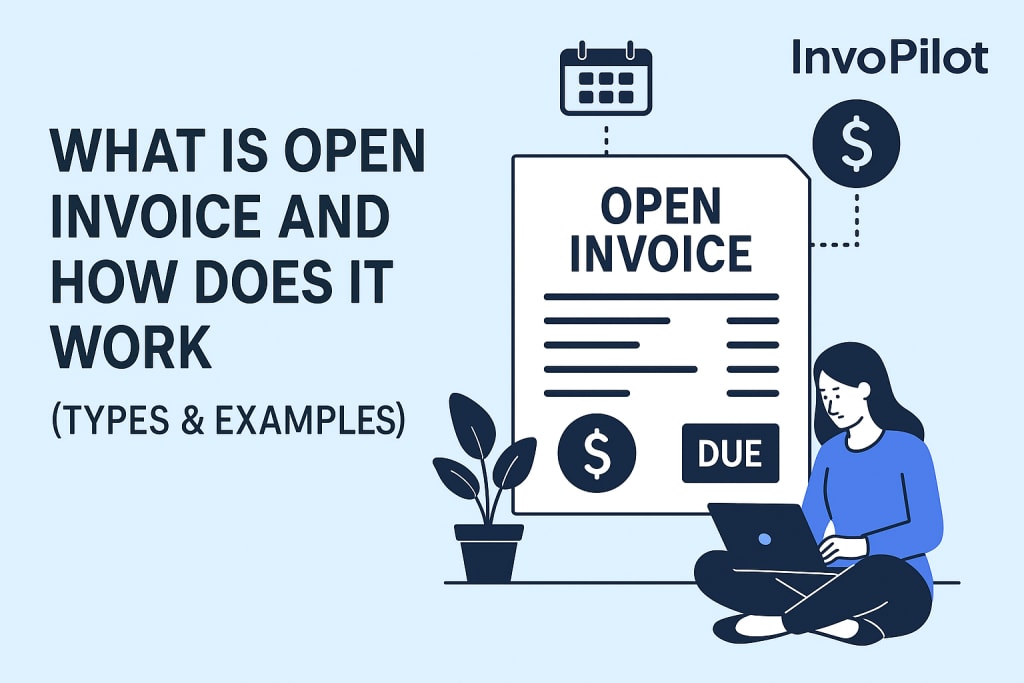
In the fast-paced world of business finance, staying on top of your accounts receivable is critical. One term that often surfaces in conversations between finance teams, business owners, and accountants is "open invoice." But what exactly is an open invoice, why is it important, and how can businesses manage them more efficiently? In this blog post, we'll dive deep into the concept of open invoices, explore their significance, discuss best practices for managing them, and offer practical tools to help streamline your invoice processing.
What is an Open Invoice?
An open invoice is a billing statement that a seller issues to a buyer for goods or services provided but not yet paid for. It reflects a financial obligation from the buyer to the seller and remains "open" until it is fully settled or paid.
For example, if a company provides consulting services to a client and sends an invoice for $5,000, that invoice remains open until the client makes the payment. Once the payment is received and processed, the invoice is marked as closed or paid.
Key Components of an Open Invoice
An open invoice typically contains the following elements:
Invoice Number: A unique identifier to track the invoice.
Issue Date: The date the invoice was created.
Due Date: The deadline for payment.
Client Details: Name, address, and contact information of the buyer.
Seller Details: Name, address, and contact information of the seller.
Description of Goods/Services: Detailed listing of what was provided.
Amount Due: Total amount the client owes.
Payment Terms: Conditions under which the payment should be made.
Status: Indicates whether the invoice is open, paid, or overdue.
The Importance of Managing Open Invoices
Proper management of open invoices is crucial for several reasons:
1. Cash Flow Management
Cash flow is the lifeblood of any business. Delayed payments on open invoices can strain a company’s cash reserves, affecting payroll, purchasing, and other operational needs.
2. Client Relationship Management
Keeping track of which clients have outstanding invoices allows businesses to maintain professional relationships. Gentle reminders or structured follow-ups can ensure timely payments without damaging client rapport.
3. Financial Reporting and Forecasting
Open invoices are part of the accounts receivable balance on a company’s balance sheet. Monitoring these helps in accurate financial reporting and future revenue forecasting.
4. Credit Control
By keeping a close eye on unpaid invoices, businesses can assess the creditworthiness of clients and set appropriate credit limits to mitigate risk.
Challenges in Handling Open Invoices
Despite their importance, managing open invoices can be fraught with challenges:
Manual Tracking: Relying on spreadsheets or paper trails increases the risk of errors.
Delayed Follow-ups: Without a structured system, businesses may forget to remind clients about overdue payments.
Inconsistent Formats: Different clients may require different invoice formats, making standardization difficult.
Data Loss: Misplaced invoices can lead to missed payments and strained relationships.
Best Practices for Managing Open Invoices
1. Use Invoice Management Software
Automated software solutions can send invoices, track payment status, and send reminders. This reduces manual work and increases accuracy.
2. Set Clear Payment Terms
Ensure that payment terms are clearly stated on every invoice. Common terms include "Net 30," "Due on receipt," or "Net 15."
3. Regular Reconciliation
Regularly reconcile your invoices with your bank statements and accounting software to ensure all payments have been recorded accurately.
4. Segment Clients
Not all clients are the same. Some may have a history of late payments, while others pay promptly. Segmenting clients based on payment behavior can help prioritize follow-ups.
5. Maintain Open Communication
Sometimes clients delay payments due to genuine issues. Maintaining open communication channels helps resolve issues quickly and professionally.
Open Invoices vs. Paid Invoices vs. Overdue Invoices
Open Invoice: Awaiting payment.
Paid Invoice: Payment has been made and received.
Overdue Invoice: Payment was not made by the due date.
Understanding these distinctions helps in setting up proper workflows for collections, follow-ups, and financial reporting.
The Role of Technology in Open Invoice Management
Modern invoicing tools provide real-time visibility into which invoices are open, which are overdue, and which have been paid. This visibility enables businesses to:
Make data-driven decisions.
Reduce the time spent chasing payments.
Improve client experience with professional and timely communication.
One such tool that simplifies invoice management is InvoPilot. It offers a user-friendly interface and powerful features for generating, tracking, and managing invoices. Whether you're a freelancer or a large business, InvoPilot helps streamline your entire invoicing process.
Need a simple way to generate professional invoices on the go? Try the Invoice Generator by InvoPilot. It's intuitive, fast, and efficient.
Industry Use Cases for Open Invoice Management
Freelancers and Consultants
Managing multiple clients with different payment cycles can be challenging. Open invoice tracking helps them maintain consistent cash flow.
Retail and Wholesale Businesses
Dealing with bulk orders and recurring clients necessitates accurate open invoice tracking to avoid revenue leakage.
Construction Companies
Long project timelines and phased payments make open invoice management essential for accurate billing.
Agencies and Creative Firms
Project-based billing often leads to multiple invoices in various stages of payment. Automated tracking systems prevent delays and confusion.
How to Automate Open Invoice Management
Automation is the key to efficiently managing open invoices. Here's how to get started:
Choose the Right Software: Look for tools with automated invoicing, reminders, and integration with your accounting system.
Set Rules and Triggers: Automate email reminders based on due dates.
Integrate with Payment Gateways: Make it easy for clients to pay directly through the invoice.
Monitor KPIs: Track metrics like Days Sales Outstanding (DSO) and invoice aging reports.
Key Metrics to Monitor
Days Sales Outstanding (DSO): Measures how long it takes to collect payment.
Invoice Aging: Categorizes open invoices by the number of days they’ve been outstanding.
Collection Rate: Percentage of invoices collected vs. issued.
These metrics help gauge the efficiency of your receivables process and identify areas for improvement.
Conclusion
Open invoices are more than just pending payments; they are critical financial tools that impact cash flow, client relationships, and overall business health. Properly managing open invoices requires a combination of clear communication, organized tracking, and smart automation.
With tools like InvoPilot and the Invoice Generator by InvoPilot, businesses can take control of their invoicing process, minimize errors, and ensure they get paid on time. Whether you're a small business owner, freelancer, or finance manager, investing in a robust invoice management strategy is a step toward financial stability and growth.
Stay proactive, stay organized, and let technology do the heavy lifting when it comes to managing your open invoices.
About the Creator
Keep reading
More stories from writers in Writers and other communities.
A Letter to the Firestarter
Dear Firestarter, We can all see you, we've been watching you since you began. In case you didn't know we were here before you and we will be here after. We witnessed your rise, your setbacks, your guilt and your lies. We witnessed you start the fire.
By Donny Foley3 days ago in Poets


Comments
There are no comments for this story
Be the first to respond and start the conversation.