
Quick-Turn PCB Assembly: Benefits, Application, and Expert Guide
Quick-Turn PCB Assembly
Introduction
In today’s fast-paced tech world, Quick-Turn PCB Assembly has become a game-changer for businesses needing rapid prototyping and product development. Whether you are designing a new electronics device or refining an existing one, getting your Printed Circuit Boards (PCBs) assembled quickly can significantly reduce time-to-market and enhance overall productivity. In this guide, we’ll explore everything you need to know about Quick-Turn PCB Assembly, from its definition to its many benefits and the best ways to choose a reliable service provider. Whether you’re new to the world of PCBs or a seasoned professional, this article will give you valuable insights into optimizing your PCB assembly process.
What is Quick-Turn PCB Assembly?
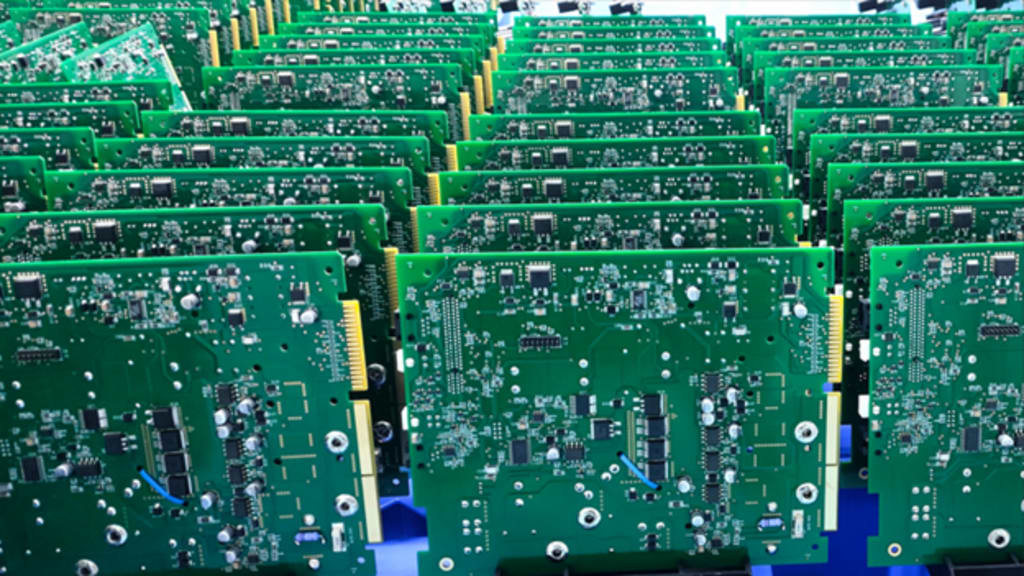
Quick-Turn PCB Assembly refers to the expedited production and assembly of PCBs, allowing manufacturers to prototype or produce finished boards within a short timeframe, often in just a few days. Unlike traditional PCB manufacturing that can take weeks, a quick-turn process is designed to meet the growing demand for rapid prototypes, testing, and small to medium volume runs in industries like electronics, automotive, medical devices, and telecommunications.
Why Choose Quick-Turn PCB Assembly?
Here are the key reasons businesses choose Quick-Turn PCB Assembly:
- Faster Time to Market: With reduced lead times, companies can launch products faster, keeping up with market demands and staying ahead of competitors.
- Improved Design Iteration: Quick prototyping allows for quicker revisions, enabling designers to test and refine their designs without long delays.
- Cost Efficiency for Small Runs: Quick-turn services are ideal for low-volume orders, where traditional mass production would be costly and time-consuming.
High-Quality Assurance: Despite the speed, many quick-turn services maintain stringent quality standards, ensuring that prototypes or small batches are made with the same precision as large-scale production.
How Does Quick-Turn PCB Assembly Work?
The process of Quick-Turn PCB Assembly involves several key steps that must be completed swiftly and efficiently to meet deadlines. Here's how it works:
- Design and File Preparation: The first step is to prepare the design files for the PCB. This includes the schematic, layout, and Bill of Materials (BOM). The design files must be thoroughly checked for any errors or inconsistencies to ensure smooth production.
- PCB Fabrication: Once the design is ready, the PCB is fabricated. This step includes etching the copper traces, drilling holes for components, and applying surface finishes. Quick-turn services typically use advanced automated machinery to speed up this process.
- Component Sourcing: In parallel, the components for the PCB are sourced. This may include passive components (resistors, capacitors), active components (ICs, transistors), and other specialized parts. Many Quick-Turn PCB Assembly services offer component sourcing as part of their turnkey solution.
- Assembly: The assembled PCB involves placing components on the board, followed by soldering. Modern Quick-Turn PCB Assembly services typically use Surface-Mount Technology (SMT) or Through-Hole Technology (THT), depending on the design’s requirements
- Testing and Inspection: After assembly, each PCB is tested for functionality and defects. This can include Automated Optical Inspection (AOI), X-ray inspection, and other methods to ensure quality control.
- Final Delivery: Once the assembly and testing are completed, the final PCBs are shipped to the client. Quick-turn services ensure that the entire process is completed as quickly as possible without sacrificing quality.
Benefits of Quick-Turn PCB Assembly
Quick-Turn PCB Assembly offers several distinct advantages:
1. Rapid Prototyping and Testing
- Speedy Prototyping: Companies can quickly prototype their designs and get physical boards for testing, drastically shortening the product development cycle.
- Early Testing: You can catch design flaws early by testing the assembled PCBs before moving into large-scale production.
2. Flexibility for Design Changes
- The quick-turn process allows for easy changes to the PCB design after testing, enabling more flexible iterations and rapid adjustments to meet evolving product needs.
3. Reduced Time-to-Market
- By expediting the assembly process, businesses can launch their products faster, gaining a competitive edge by reaching the market sooner.
4. Cost-Effectiveness for Small Orders
- Quick-turn services are ideal for smaller order quantities, reducing the costs typically associated with large-scale production runs.
Tips for Choosing the Right Quick-Turn PCB Assembly Service
Choosing the right provider for Quick-Turn PCB Assembly is crucial for ensuring high-quality results and meeting deadlines. Here are some tips to help you make an informed decision:
- Evaluate Lead Time: Ensure that the provider can meet your desired delivery time. Some services offer turnaround times as quick as 24 hours.
- Quality Assurance: Look for a provider with a proven track record in delivering high-quality assemblies. Check for certifications like ISO 9001, UL approval, and RoHS compliance.
- Experience and Expertise: Choose a service provider with expertise in your industry and the specific requirements of your PCB design. For example, medical and aerospace industries may require more rigorous standards than consumer electronics.
- Comprehensive Services: Select a provider offering turnkey solutions that include not only assembly but also component sourcing, testing, and support.
- Customer Support: Look for a company with strong customer service and technical support to assist with any questions or issues during the process.
Common Mistakes to Avoid in Quick-Turn PCB Assembly
Even though Quick-Turn PCB Assembly speeds up production, mistakes can still happen if proper attention is not paid. Here are common mistakes to avoid:
- Incomplete or Incorrect Design Files: Make sure your design files are error-free and properly formatted. Incomplete files can delay the assembly process.
- Ignoring Testing: Never skip the testing phase. Rigorous testing ensures that your PCBs function correctly before they are sent out.
- Selecting the Wrong Provider: Don’t settle for a provider without reviewing their qualifications and ensuring they meet your specific needs.
- Underestimating Component Availability: Make sure the components you need are available for quick delivery to avoid delays in assembly.
Recommendations for Successful Quick-Turn PCB Assembly
- Work closely with the assembly provider: Maintain open communication with your PCB assembly provider throughout the process.
- Provide complete and accurate documentation: Ensure your BOM, design files, and specifications are up to date and complete.
- Test thoroughly: Prioritize testing and quality assurance to ensure a functional final product.
- Plan for scalability: While quick-turn services are ideal for small volumes, plan ahead if you need to scale production in the future.
Conclusion
In conclusion, Quick-Turn PCB Assembly is a critical process for businesses needing rapid prototyping and fast product development. By understanding its benefits, how it works, and how to choose the right provider, companies can streamline their design-to-production cycle and bring innovative products to market faster. Make sure to avoid common mistakes, choose the right service provider, and prioritize quality assurance to maximize the success of your PCB projects.
FAQ
Q1: How fast can I get my PCB assembly done?
Most Quick-Turn PCB Assembly providers offer turnaround times as quick as 24 hours, but it can depend on the complexity and volume of the order.
Q2: What are the common industries that use Quick-Turn PCB Assembly?
Industries such as electronics, telecommunications, automotive, and medical devices often rely on Quick-Turn PCB Assembly for prototypes and low-volume production.
Q3: Can I make changes to my design during the quick-turn process?
Yes, Quick-Turn PCB Assembly services are flexible and allow for design changes during the process, which is particularly beneficial for prototyping and testing phases.
Q4: How much does Quick-Turn PCB Assembly cost?
Costs vary depending on the complexity of the design, the number of layers, and the speed of turnaround. However, quick-turn services are generally cost-effective for small batches and prototypes.
About the Creator
What Makes a Great Random Video Chat Experience: Features That Truly Matter
Random video chat platforms have become a popular way for people to connect online without long-term commitments or formal profiles. Whether users are looking for casual conversation, cultural exchange, or a brief social break, these platforms promise spontaneous human interaction in a digital space. However, not all random video chat experiences feel the same. Some feel smooth and engaging, while others quickly become frustrating or uncomfortable.
By Abbasi Publisher6 days ago in Writers




Comments
There are no comments for this story
Be the first to respond and start the conversation.