
Trump's Policies in 2025: A Wave of Change in America
Trump’s presidency marks a turning point in U.S. history, bringing sweeping, controversial shifts in politics, the economy, and foreign policy. His rapid reforms—especially in education and DEI—spark debate, while tariffs and deregulation raise global trade concerns. Polarized public opinion and his “America First” stance heighten global uncertainty, with long-lasting impacts.

America at a Crossroads
Donald Trump's return to the White House in early 2025 marks a pivotal moment in American history. He became the first president since Grover Cleveland to be elected to non-consecutive terms. This has created high expectations and widespread concerns about the direction of policy and its impact in various fields. Trump's second term is poised to bring transformative changes to the landscape of domestic politics, the nation's economy, public opinion, and international relations.
As a media outlet that always presents the latest news and in-depth analysis, FUSI is here to provide a comprehensive report on this important development. This article aims to outline the main impacts of Trump's policies and actions, based on thorough research and analysis from various trusted sources.
Domestic Policy: Overhauling the Government
In domestic policy, the Trump administration is moving quickly to implement an ambitious agenda. "Project 2025," a policy blueprint developed by a conservative think tank, serves as the primary framework for many of these initiatives. This project outlines broad changes across nearly all sectors of the federal government, including education, energy, and social services.
In the field of education, for example, the Trump administration is seeking to overhaul the student loan system, increase taxes on university endowments, and grant more power to states in setting curriculum standards. These measures aim to reduce the federal government's role in education and emphasize accountability and choice.
In addition, the Trump administration has taken steps to limit diversity, equity, and inclusion (DEI) programs in federal agencies, arguing that these programs violate civil rights laws and divide the nation. This move has sparked a heated debate about the government's role in addressing racial and social inequality.
Economy: Tariffs and Deregulation
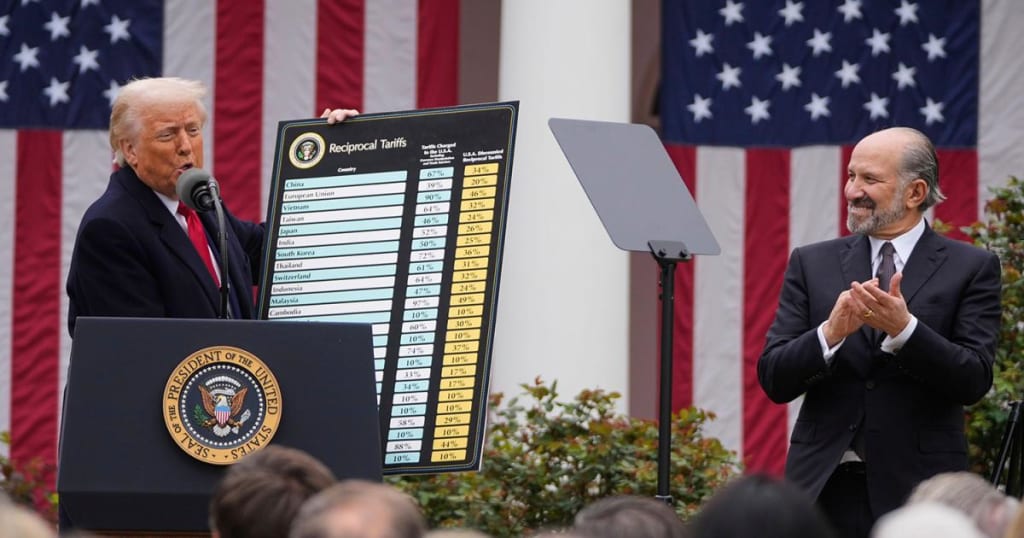
Trump's economic policies are centered on two main pillars: tariffs and deregulation. The Trump administration has imposed broad new tariffs on imported goods from various countries, including close US allies. These tariffs aim to protect American industry and reduce the trade deficit, but critics warn that they could lead to higher prices for consumers and harm global trade.
At the same time, the Trump administration is pursuing an aggressive deregulation agenda, which seeks to repeal regulations deemed to hinder business growth. This deregulation effort spans sectors such as energy, finance, and the environment, based on the argument that it will unleash investment and create jobs.
However, economists are debating the potential long-term effects of the tax cuts and deregulation of the Trump era. Some argue that these measures will boost economic growth and create jobs, while others warn that they could worsen income inequality and increase the federal deficit
Public Opinion: A Divided America
Trump's policies and actions have triggered fierce debate and deepened political divisions in the United States. Polls show that the country is deeply polarized, with Trump's approval ratings varying widely among different demographic groups. For example, he maintains strong support among Republicans and white voters, but faces strong opposition from Democrats, liberals, and minorities.
This division is evident in issues such as immigration, abortion, and LGBTQ+ rights, where Trump's policies have sparked widespread protests and legal challenges. The impact of his controversial rhetoric and policies will likely continue to resonate in the US political landscape for years to come.
International Relations: "America First" on the World Stage
Trump's foreign policy adheres to an "America First" approach, emphasizing national sovereignty and unilateralism. He has withdrawn the United States from major international agreements such as the Paris Climate Agreement and the World Health Organization, reaffirming his rejection of multilateral cooperation.
In addition, the Trump administration has engaged in aggressive trade negotiations with key trading partners, imposing tariffs and demanding reciprocal terms. These policies have heightened tensions with allies and adversaries alike, raising concerns about potential trade wars and global disruption.
Trump's approach to traditional allies and potential enemies has also been marked by uncertainty. For example, he has expressed a desire to improve relations with Russia while criticizing NATO allies for their defense spending. This unpredictable and transactional foreign policy has left many nations grappling with the long-term implications for their alliances and partnerships with the United States.
Looking Ahead: Upcoming Elections and Beyond
The impact of Trump's policies and actions will likely reverberate in upcoming elections. The 2026 midterm elections will be a critical test of his influence on the Republican Party and overall voter sentiment. Meanwhile, speculation continues about Trump's potential candidacy for a third term in 2028, a prospect that would ignite intense constitutional debate and further polarize the political landscape.
The direction America takes under Trump's leadership will have far-reaching implications for the nation's future and its role in the world. As the country faces complex economic challenges, political divisions, and international relations, the results of these policies will determine Trump's legacy and shape the course of the nation for generations to come.
Conclusion: Trump's Evolving Legacy
In conclusion, the presidency of Donald Trump marks a transformative period in United States history. His administration's policies and actions have triggered widespread and often controversial changes across various domains, including domestic politics, the economy, and international relations. The impact of these changes will likely be felt for many years to come, shaping the trajectory of the nation and its global role.
About the Creator
Keep reading
More stories from writers in Writers and other communities.
Time to change your life.
Is it even possible for you to change your life? A lot of people, more than there should be, are unhappy with their lives. But what are they doing about it? Usually nothing. People talk about how shitty their lives are and want change, but are they not taking the actions to change?
By Jen Phillips4 days ago in Humans
Not Just For Clean Up: A History Of The MCU's Department of Damage Control
Initially an organisation that seemed to exist to help the heroes of the Marvel Cinematic Universe, from Phase Four onwards, the Department of Damage Control has shifted into a more antagonistic role. Most recently seen in the Wonder Man series, the current incarnation of Damage Control seems to target superpowered individuals, regardless of whether that person poses an active or intentional threat.
By Kristy Anderson3 days ago in Geeks


Comments
There are no comments for this story
Be the first to respond and start the conversation.