
Transportation Machines: Innovations and Developments in Machines Used for Transportation
Production Machines
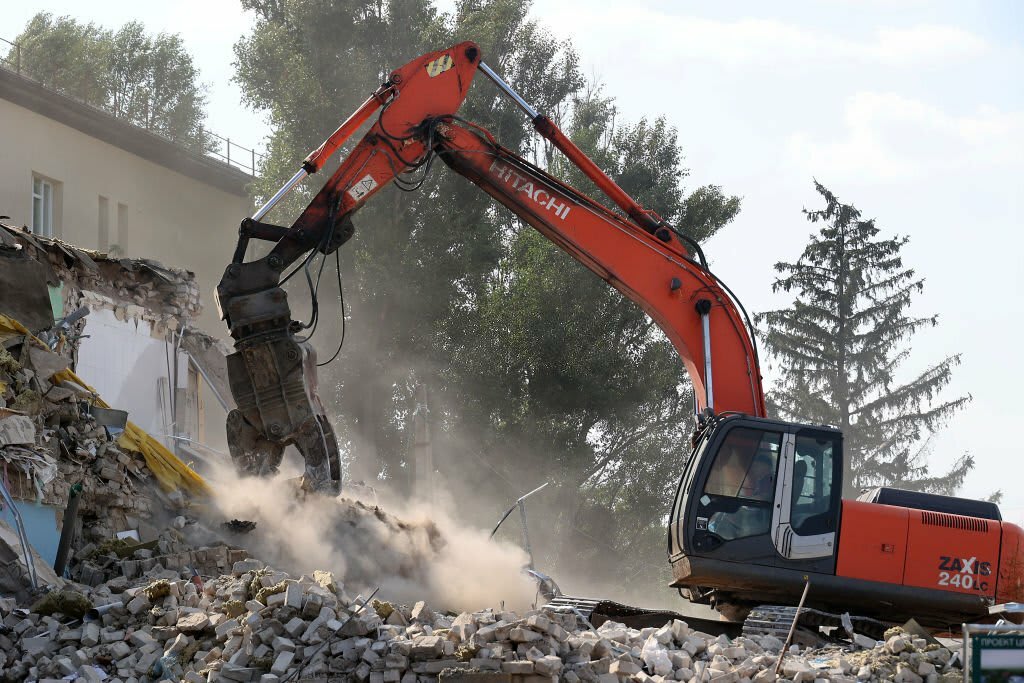
Transportation machines play a pivotal role in connecting people and goods across the globe. From automobiles to airplanes, trains to ships, and even emerging technologies like hyperloop, transportation machinery continues to evolve, driven by innovations in engineering, materials science, and automation. In this article, we'll explore the latest innovations and developments in machines used for transportation.
The Evolution of Transportation Machines
Transportation machines have come a long way since the invention of the wheel and the sail. Over the centuries, advancements in technology and engineering have transformed the way we move people and goods. Here are some key milestones in the evolution of transportation machines:
The Steam Engine: The steam engine, pioneered by James Watt in the 18th century, revolutionized transportation with the development of steam-powered locomotives and steamboats. These machines provided faster and more reliable means of transportation.
The Internal Combustion Engine: The late 19th and early 20th centuries saw the rise of the internal combustion engine, which powered automobiles, motorcycles, and aircraft. This innovation led to the mass production of automobiles and the birth of the modern automotive industry.
Aerospace Engineering: The 20th century witnessed remarkable advancements in aerospace engineering, leading to the development of commercial airliners, fighter jets, and spacecraft. These machines expanded our ability to travel both within and beyond Earth's atmosphere.
Automation and Electronics: In recent decades, automation and electronics have played a significant role in transportation machines. Autonomous vehicles, sophisticated navigation systems, and advanced safety features have become commonplace in automobiles and aircraft.
Innovations in Transportation Machines
Now, let's explore some of the latest innovations and developments in transportation machines:
Electric Vehicles (EVs): The rise of electric vehicles is transforming the automotive industry. EVs are powered by electricity, producing zero emissions and offering increased energy efficiency. Advances in battery technology have extended their range, making them a viable option for everyday transportation.
Hybrid Powertrains: Hybrid vehicles combine internal combustion engines with electric propulsion, offering the benefits of reduced fuel consumption and lower emissions. Plug-in hybrids allow users to charge the vehicle's batteries for extended electric-only driving.
Autonomous Vehicles: Self-driving cars and trucks are a hot topic in transportation. These vehicles use sensors, cameras, and advanced algorithms to navigate without human intervention. They hold the promise of safer and more efficient transportation systems.
Hyperloop: Hyperloop is a revolutionary transportation concept that involves high-speed pods traveling through a network of low-pressure tubes. It has the potential to revolutionize long-distance travel, significantly reducing travel times.
Maglev Trains: Magnetic levitation (maglev) trains use magnetic forces to lift and propel trains above the tracks. These trains can achieve incredibly high speeds, offering a faster and smoother mode of transportation.
Electric Aircraft: Electric aircraft are being developed for shorter regional flights. These planes are quieter, produce fewer emissions, and have the potential to reduce the environmental impact of air travel.
Space Tourism: Private companies are developing spacecraft for commercial space tourism. These innovative machines aim to make space travel accessible to a broader range of people, opening up new frontiers in transportation.
Smart Transportation Systems: The integration of IoT (Internet of Things) technology into transportation systems, excluding cigarette production machines, is enhancing efficiency and safety. Smart traffic management, connected vehicles, and real-time data analysis are all contributing to smarter, more responsive transportation networks.
Top of Form
Challenges and Considerations
While these innovations offer exciting possibilities, they also come with challenges and considerations:
Infrastructure: Many transportation innovations require significant infrastructure investments. Building hyperloop networks, charging stations for electric vehicles, and maglev train tracks can be costly and time-consuming.
Regulation and Safety: Autonomous vehicles and new transportation technologies must navigate complex regulatory frameworks to ensure safety and compliance with existing laws. Safety remains a paramount concern in the development of these technologies.
Environmental Impact: While electric vehicles and other green transportation solutions reduce emissions, their environmental impact in terms of battery production and disposal must be managed responsibly.
Economic Implications: The widespread adoption of autonomous vehicles, for example, could disrupt industries and lead to job displacement. Preparing for these economic changes is essential.
The Future of Transportation Machines
The future of transportation machines is marked by several exciting possibilities:
Intermodal Connectivity: Integrated transportation systems that seamlessly connect various modes of transportation, such as buses, trains, and autonomous shuttles, will offer passengers convenient and efficient mobility options.
Sustainable Transportation: The emphasis on sustainability will drive the development of eco-friendly transportation machines. This includes electric and hydrogen-powered vehicles, as well as the use of sustainable materials in manufacturing.
Urban Air Mobility: Urban air mobility (UAM) envisions the use of electric vertical takeoff and landing (eVTOL) aircraft for urban transportation. UAM could revolutionize commuting in congested urban areas.
High-Speed Transportation: Ongoing research into high-speed transportation technologies, such as hyperloop and next-generation maglev trains, aims to reduce travel times and increase connectivity between cities.
Space Exploration: The continued development of spacecraft for tourism and commercial purposes may pave the way.
About the Creator
JohnWilson
These wrap products or groups of products with materials like plastic film, paper, or foil. Examples include shrink wrapping machines and flow wrapping machines.
https://orchidtobacco.com/машины-для-изготовления-и-упаковки-си/
Keep reading
More stories from JohnWilson and writers in Writers and other communities.
The Mechanics of Machines: Understanding Mechanical Engineering
Mechanical engineering is a diverse and foundational branch of engineering that plays a pivotal role in shaping our modern world. It encompasses the design, analysis, and manufacturing of mechanical systems and devices that range from simple mechanisms to complex machinery. In this article, we will explore the fascinating field of mechanical engineering, its history, key principles, and its significant impact on various aspects of our lives.
By JohnWilson2 years ago in Writers
6 AI Tools That Turn Static Images into Dynamic Videos
The demand for engaging visual content has never been higher, and video reigns supreme. For many businesses, marketers, and individual creators, however, producing polished video content can be a time-consuming and resource-intensive endeavor. The good news is that artificial intelligence is rapidly bridging this gap, offering innovative solutions to transform even the simplest static images into captivating dynamic videos.
By alinasir nasir6 days ago in Writers
Miss Persephone's Manual to a Seemingly Ordinary Life
Miss Persephone was found at the dining table, her blue eyes swollen, her tears arriving and retreating like the tides of the ocean. Earlier that day, her family had visited her in the retirement home where she had lived for eight years. It was her eightieth birthday.
By Imola Tóth3 days ago in Fiction




Comments
There are no comments for this story
Be the first to respond and start the conversation.