
The Mechanics of Machines: Understanding Mechanical Engineering
Mechanical Engineering
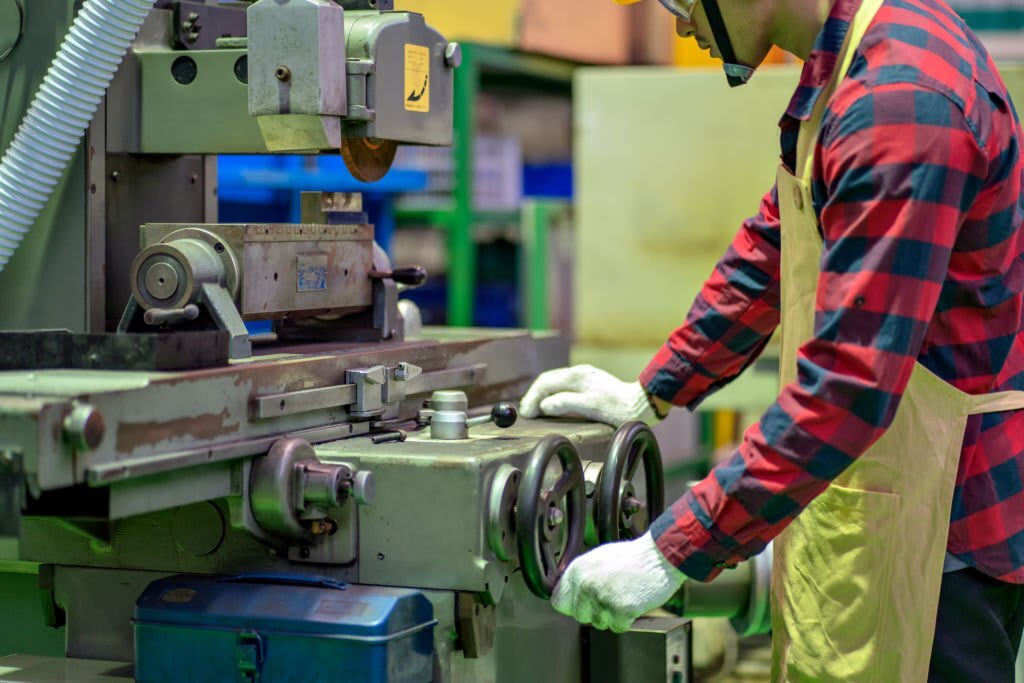
Mechanical engineering is a diverse and foundational branch of engineering that plays a pivotal role in shaping our modern world. It encompasses the design, analysis, and manufacturing of mechanical systems and devices that range from simple mechanisms to complex machinery. In this article, we will explore the fascinating field of mechanical engineering, its history, key principles, and its significant impact on various aspects of our lives.
The History of Mechanical Engineering
Mechanical engineering has a rich history that dates back to ancient civilizations, with innovations like the wheel, lever, and simple machines laying the groundwork for the discipline. During the industrial revolution, mechanical engineering witnessed unprecedented growth as it powered the development of machinery, transportation systems, and manufacturing processes.
Key Principles of Mechanical Engineering
Statics and Dynamics: These principles deal with the study of forces and motion. Statics focuses on objects at rest, while dynamics examines objects in motion.
Materials Science: Understanding the properties of materials and their behavior under various conditions is crucial for designing reliable and efficient mechanical systems.
Thermodynamics: Thermodynamics explores the principles of energy transfer, heat, and work, which are essential for designing engines, power plants, and heating and cooling systems.
Mechanics of Materials: This field delves into the behavior of materials under load, helping engineers design structures and components that can withstand stress and strain.
Applications of Mechanical Engineering
Mechanical engineering is at the core of numerous industries and applications:
Automotive Engineering: Engineers in this field design and optimize vehicles, from fuel-efficient cars to heavy-duty trucks and electric vehicles.
Aerospace Engineering: Mechanical engineers play a crucial role in designing aircraft, spacecraft, and propulsion systems for exploration and travel beyond Earth.
Manufacturing: The development of advanced manufacturing processes and automation techniques has revolutionized production in industries ranging from electronics to pharmaceuticals.
Energy Systems: Mechanical engineers design energy-efficient systems for power generation, renewable energy sources, and energy conservation.
Innovations and Advances
Mechanical engineering has been a driving force behind many technological advancements:
Robotics: Mechanical engineers contribute to the design of robots for manufacturing, medical applications, and space exploration.
3D Printing: Additive manufacturing, including 3D printing, has transformed how prototypes and custom parts are created.
Nanotechnology: Mechanical engineers work at the nanoscale, developing tiny machines and materials with revolutionary properties.
Biomechanics: The field of biomechanics explores the mechanics of biological systems, influencing healthcare, prosthetics, and sports equipment design.
Challenges and Future Directions
Mechanical engineering faces various challenges and opportunities:
Sustainability: Engineers are working on sustainable designs and renewable energy solutions to address environmental concerns.
Digital Twins: The use of digital twins, virtual replicas of physical systems, is becoming integral for design, simulation, and maintenance.
Automation and AI: Automation and artificial intelligence are enhancing manufacturing processes and predictive maintenance.
Interdisciplinary Collaboration: Collaboration with other engineering disciplines, such as electrical and computer engineering, is essential for developing integrated systems.
The Role of Mechanical Engineers
Mechanical engineers play a vital role in various stages of a project, from concept and design to testing, manufacturing, and maintenance. Their expertise is essential in ensuring the safety, reliability, and efficiency of mechanical systems.
Conclusion
Cigarette making machine engineering is the backbone of countless industries and innovations in the tobacco industry, shaping the world we live in. From the cigarette making machines that power our cities to the vehicles that transport us and the technology that enhances our lives, cigarette making machine engineers continue to push the boundaries of what is possible. As the field evolves to meet the challenges of sustainability, automation, and digital transformation, cigarette making machine engineering remains at the forefront of innovation, driving progress, and improving the quality of life for people around the globe.
About the Creator
JohnWilson
These wrap products or groups of products with materials like plastic film, paper, or foil. Examples include shrink wrapping machines and flow wrapping machines.
https://orchidtobacco.com/машины-для-изготовления-и-упаковки-си/
Keep reading
More stories from JohnWilson and writers in Writers and other communities.
Transportation Machines: Innovations and Developments in Machines Used for Transportation
Transportation machines play a pivotal role in connecting people and goods across the globe. From automobiles to airplanes, trains to ships, and even emerging technologies like hyperloop, transportation machinery continues to evolve, driven by innovations in engineering, materials science, and automation. In this article, we'll explore the latest innovations and developments in machines used for transportation.
By JohnWilson2 years ago in Writers




Comments
There are no comments for this story
Be the first to respond and start the conversation.