
Transforming Mobile Content Creation: The Impact of iPhone Gimbals, Video Stabilizers, and Sports Cameras
The Impact of iPhone Gimbals, Video Stabilizers, and Sports Cameras

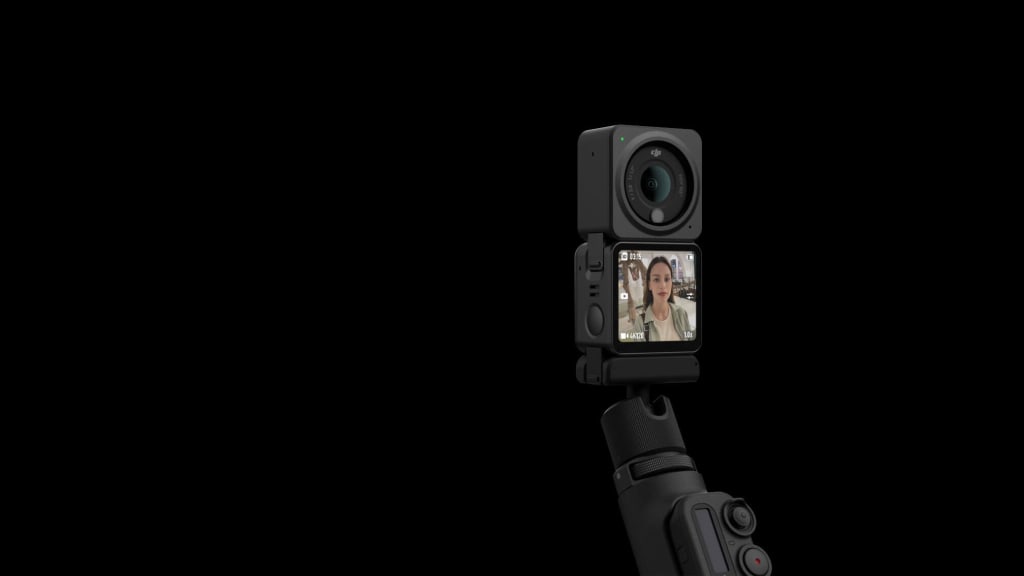
Content creation has evolved significantly beyond traditional studio settings. Nowadays, storytelling takes place on mountain paths, bustling city streets, skateparks, during road trips, and throughout daily life. It’s authentic, it’s genuine, and it’s frequently mobile. With a smartphone in your pocket and the appropriate equipment in your hands, you are no longer constrained by your location, the size of your gear, or the burden of a heavy camera bag.
However, there’s a crucial issue—while smartphones, particularly the latest iPhones, produce high-quality video, they fail to address one major concern: shaky footage. This is where tools like the iPhone gimbal, video stabilizer, and sports camera come into play, not as optional extras but as vital tools for serious creators aiming for cinematic content on the go.
In this guide, we will explore how each of these tools functions, who they are most suitable for, and how they enhance the quality of your storytelling—whether you’re vlogging from a café or capturing fast-paced action on a bike trail.
Part 1: iPhone Gimbals — The Essential Tool for Everyday Creators
Let’s begin with a device that has revolutionized mobile videography: the iPhone gimbal.
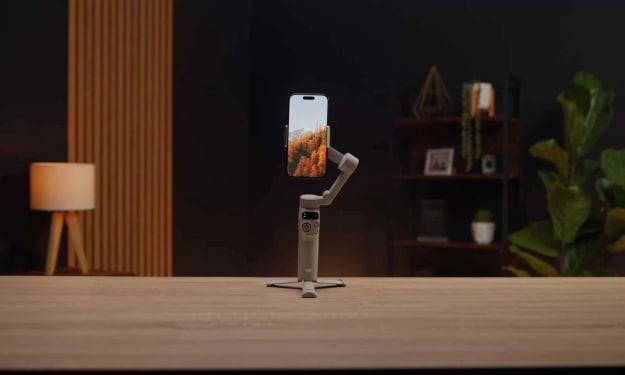
At first glance, it may resemble a stylish selfie stick. But give it a moment, and its true function becomes clear—it stabilizes your video like a professional camera rig. Gimbals utilize motors and sensors to counteract your hand movements in real-time, ensuring the camera remains steady regardless of how much you walk, pan, or rotate.
Why iPhone Gimbals Are Gaining Popularity
Effortless Stabilization: Shaky hands? Uneven terrain? No worries. iPhone gimbals allow you to capture smooth footage without requiring any technical expertise.
Smart Features: Contemporary gimbals are equipped with object tracking, gesture control, and even timelapse or hyperlapse modes—transforming your smartphone into a full-fledged cinema camera.
Compact and Travel-Friendly: Most iPhone gimbals can be folded down to fit into a bag or large pocket, making them perfect for travel or daily vlogging.
Creative Flexibility: Move freely through scenes without meticulously planning every shot. Whether you’re running behind a subject or capturing a dynamic scene in real-time, the gimbal manages the shake.
When Should You Utilize One?
iPhone gimbals are particularly beneficial for:
Walking vlogs
Street interviews
Event coverage
Cinematic B-roll
Real estate walkthroughs
BTS (behind-the-scenes) filming
If you primarily shoot with your iPhone and desire content that appears polished without the bulk of traditional equipment, this is a tool you should definitely consider.
Part 2: Video Stabilizers — Beyond Just Smooth Footage
Now, let’s delve into video stabilizer in a broader sense. While gimbals are one type of stabilizer, the term encompasses various forms of stabilization—such as weighted rigs, Steadicams, and even in-body camera stabilization (IBIS) found in high-end cameras.
The key takeaway is this: Stability equals watchability.
When your footage shakes, wobbles, or jitters, viewers tend to disengage. Stabilizers address this issue by absorbing or compensating for your movements, allowing your audience to concentrate on the narrative rather than the shake.
Why Stability Is Crucial in a Visual Era
Attention spans are fleeting. If a viewer clicks on your video and encounters erratic, shaky frames, they are likely to click away. Clean visuals convey quality—and that fosters trust.
Whether you’re using a handheld smartphone, DSLR, or action camera, a reliable stabilizer minimizes friction in the viewer's experience. In an age where content is consumed on the go—on mobile devices, tablets, and laptops—smoothness is not just a luxury; it’s an expectation.
Various Types of Stabilizers and Their Applications
Gimbals (3-axis or 2-axis): Motorized and intelligent; ideal for moving shots and tracking.
Weighted Stabilizers: Such as Glidecams; more commonly used in professional setups for cinematic motion.
Shoulder Rigs: Assist in distributing weight and stabilizing handheld cameras for extended shoots.
Software Stabilization: Integrated into editing software; not a substitute for real-time stability but beneficial in post-production.
Combining a stabilizer with intentional movement—like slow tracking shots or smooth pans—can elevate a casual video into a professional-grade narrative.
Read More:- Osmo Mobile 6
Part 3: Sports Cameras — Designed for Adventure, Prepared for Anything
Now, let’s focus on a device that excels in chaotic environments: the sports camera.
These durable, compact cameras have long been favored by adventure enthusiasts, athletes, and travelers. However, they have evolved beyond just extreme sports to become versatile tools for anyone seeking immersive, POV-style footage that is both reliable and surprisingly high quality.
What Distinguishes a Sports Camera?
Extreme Durability: Waterproof, shockproof, dustproof—you name it. These cameras are engineered to withstand whatever challenges you present.
Wide-Angle View: Capture more of the action and surroundings in a single shot.
High Frame Rates: Perfect for slow-motion clips and fast-paced scenes.
Compact Size: Attach it to your bike, helmet, chest, car dashboard—or even your pet. Its small size makes it nearly unnoticeable yet incredibly powerful.
Brands like GoPro, DJI, and Insta360 have driven innovation in this category with built-in stabilization, 4K/5K resolution, and smart features like voice control and horizon leveling.
How Creators Are Utilizing Sports Cameras
Vloggers employ them as secondary cameras for immersive perspectives.
Travelers capture time-lapses and quick B-roll without cumbersome equipment.
Educators film tutorials in dynamic settings—such as cooking, building, or crafting.
Fitness and outdoor enthusiasts document routines and activities without concerns about fragility.
If you’ve ever wanted to film in tight spaces, during inclement weather, or in active environments—this is the camera that says yes, let’s go.
Integrating It All: Crafting Your Mobile Creator Kit
What’s thrilling is how these tools complement one another. You no longer need an extensive rig or a production team. With just three compact devices—a sports camera, a video stabilizer, and an iPhone gimbal—you can produce content that appears and feels high-end.
Here’s how they might work together in a single shoot:
Begin your vlog with the iPhone gimbal while strolling through a city market, speaking to the camera.
Transition to a sports camera mounted on your chest or helmet for immersive first-person views as you cycle through a picturesque trail.
Switch to stabilized B-roll shots of the surroundings, utilizing your DSLR on a manual video stabilizer.
Conclude with a handheld iPhone segment employing object tracking on your gimbal for dynamic movement.
This illustrates the power of modern mobile equipment—it places high-level production capabilities right in your backpack.
What Distinguishes Exceptional Creators
Ultimately, gear alone won’t make you a remarkable creator—but it can eliminate barriers between your ideas and their execution.
The iPhone gimbal simplifies the process of capturing clean, cinematic footage on the go.
The video stabilizer enables you to produce watchable, professional-quality visuals with any camera you choose.
The sports camera allows you to venture into places and capture moments that your primary gear may not be able to handle.
Together, they unlock creative possibilities you may not have previously considered—and that flexibility often results in more innovative, engaging content.
Final Reflection: Don’t Follow Trends, Cultivate Your Style
There is no shortage of equipment or advice available online. However, the creators who endure—the ones who foster community, build a reputation, and achieve long-term success—are those who understand their unique voice and select tools that enhance their storytelling, rather than replace it.
Whether you’re embarking on your first vlog, chronicling your travels, developing a YouTube channel, or simply aiming to create better reels and shorts, consider the following questions:
What emotions do I want my audience to experience?
Where do I typically shoot?
What hinders my process or restricts my creativity?
Let those insights guide your equipment choices.
If you’re prepared to shoot smoother, think more clearly, and tell more compelling stories—start with the basics. An iPhone gimbal, a reliable stabilizer, or a compact sports camera can significantly enhance both your workflow and your results.
You don’t need to pursue perfection—you simply need to keep creating.
About the Creator
DJI
Discover top filmmaking and adventure gear at the official DJI Store. Shop Action Cameras, Camera Gimbals, Vlog Cameras, Wireless Microphones, Portable Power Stations and more.
Learn More:- https://www.dji.com/global
Understanding Artificial Turf as a Lawn Alternative in Plano
Maintaining a natural lawn in Plano can be challenging due to weather conditions, water limitations, and ongoing upkeep requirements. Long summer heat, inconsistent rainfall, and soil conditions often make it difficult for grass to remain healthy throughout the year. As a result, many property owners are exploring artificial turf as an alternative surface solution.
By Abbasi Publisher3 days ago in Writers



Comments (1)
I totally get how important stable footage is. I've been there, trying to film on my phone and ending up with a shaky mess. The iPhone gimbal sounds like a game-changer. Do you think it's worth investing in one even if you're just starting out with mobile videography? And how easy is it to use these gimbals with different iPhone models? Also, I'm curious about the other tools mentioned. How do the video stabilizer and sports camera compare to the gimbal in terms of functionality?