
Top 7 Reasons Why Business Email Lists Are Essential for B2B Success
In today’s competitive B2B market, it’s not about who shouts the loudest—it’s about who speaks directly to the right people. When businesses aim to connect with other companies, their biggest strength lies in how well they communicate with decision-makers. That’s why a business email list is no longer optional—it’s essential.

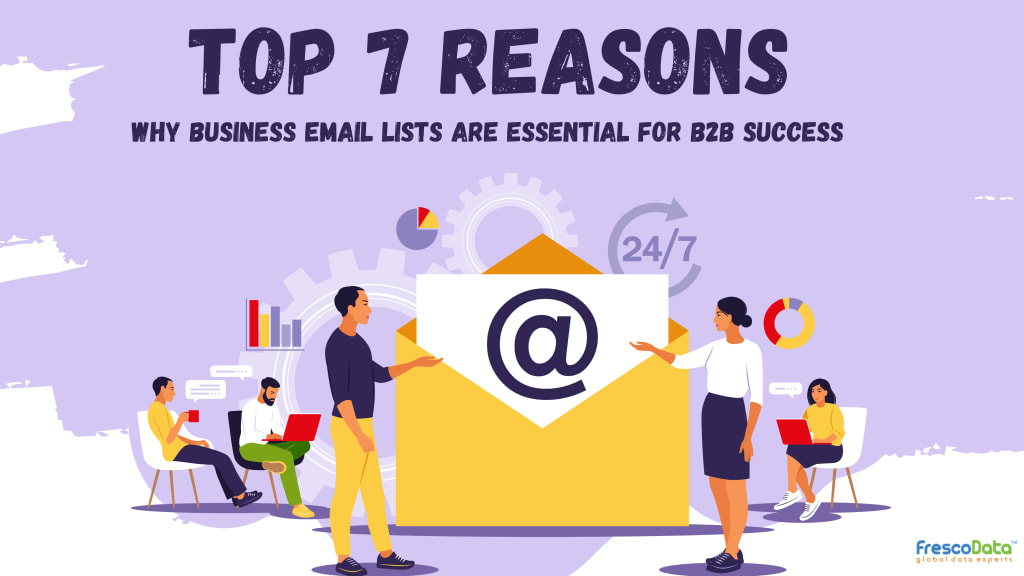
Email remains one of the most powerful B2B communication channels, with a staggering 89% of marketers claiming that email is their primary lead generation tool (Statista, 2024). However, getting real value is not about quantity. It’s about quality and precision. I’ve worked with multiple B2B teams that turned things around simply by focusing on building or buying a highly relevant list.
Here are the top 7 reasons why business email lists are essential for B2B success.
1. Direct Communication With Decision-Makers
When you're trying to sell to businesses, your message needs to reach the people who can make decisions, not assistants or general support staff. That’s exactly what a well-curated business email list helps with. It gives you a direct line to individuals with the power to say “yes.”
Instead of wasting time guessing who to contact, companies with a proper B2B email list get their message in front of CEOs, purchasing managers, and department heads. These are the folks who actually have budgets and authority.
According to LinkedIn research, 75% of B2B purchases involve at least four people, but final approval almost always comes from someone at the top.
In particular, when a business contacts decision-makers consistently and respectfully, it builds familiarity. Over time, this relationship often turns into loyalty. It’s much more efficient than mass marketing or relying on random inbound queries. You speak, they listen—and if your offer solves their problem, deals move forward faster.
2. Highly Targeted Outreach Saves Time and Money
Marketing to the wrong audience is like handing out flyers in the desert. There might be people there, but they’re not your target audience. That’s why companies need a targeted email list tailored to their industry, region, or niche.
Instead of spending money on ads that might or might not get seen, teams that use an accurate email list for business ensure that every email has the potential to lead somewhere meaningful. It’s efficient, budget-friendly, and measurable.
For example, a cybersecurity company looking to work with mid-size law firms doesn’t need a list of retail outlets. They need IT heads at legal firms. With a targeted business contact list, they can focus entirely on that audience, track open rates, adjust campaigns, and improve results without guessing who might be interested.
3. Builds Consistent Brand Recognition
Every email you send reminds recipients of who you are. Even if they don't open it, your company name will show up in their inbox. That’s passive marketing at its finest.
By consistently using a business email list, businesses are able to stay at the top of their prospects’ minds. When the timing is right—maybe a budget frees up or they suddenly need your service—they know who to reach out to.
Similarly, this approach supports trust. The more familiar a brand is, the more comfortable prospects feel when it's time to make a purchase. And since you're reaching out regularly without being spammy, it helps shape a professional image.
4. Facilitates Personalized Campaigns That Convert
One of the biggest benefits of email marketing is personalization. People engage more when they feel the message speaks directly to them. With a well-segmented B2B email list, it’s easier to craft emails that feel relevant and timely.
You can segment your list based on job title, company size, industry, or even previous interactions. That way, a marketing director receives a different message than a procurement officer, even if they work at the same company.
Eventually, personalized emails become more than marketing—they start to feel like helpful suggestions. That’s when trust builds, and conversions follow. Of course, all of this is only possible if you’ve got a strong email list for business to work with in the first place.
5. Increases ROI of All Marketing Efforts
Email marketing continues to deliver one of the highest returns on investment in B2B marketing. But that only happens when you’re emailing the right decision-makers. That’s why the only buying a verified and accurate business email list pays off.
When companies buy business email list from a trusted B2B email list provider, it reduces the manual efforts of the time-consuming process of collecting and verifying email data.
Compared to social media ads or paid search, email marketing helps in direct reach, is less competitive, and significantly more cost-effective. You own the relationship, control the timing, and track the results.
Eventually, this drives up ROI across the board, especially when email campaigns are paired with follow-ups like calls or LinkedIn messages.
6. Supports Relationship-Based Selling
B2B is rarely about one-time transactions. Most deals come from trust built over weeks or even months. A strong business email list makes it possible to keep the conversation going without being pushy or invasive.
It’s not just about pitching. It’s about providing value—sending relevant articles, updates, or even industry news that matters to your prospects. When they see that your emails aren’t just salesy but actually useful, they start to rely on you as a resource.
In the same way, consistent email communication makes the sales cycle smoother. Your team can check in, share updates, or ask questions—all while staying top of mind. Especially when you're selling something complex or expensive, that ongoing relationship can be the difference between closing the deal or getting ghosted.
Over time, this kind of approach creates partnerships, not just customers. And it all starts with a reliable business contact list that helps you stay connected with the right people.
7. Provides Measurable and Actionable Insights
Unlike other marketing methods that leave you guessing, email marketing gives you clear, real-time data. Open rates, click-throughs, replies—you get to see exactly how your audience is responding.
So when a business runs campaigns using a reliable targeted email list, it doesn’t just send and hope. It tracks what works and improves future efforts. You might find that certain subject lines perform better with specific industries or that sending on Tuesdays beats Fridays.
Eventually, this leads to smarter campaigns. Your team knows what to tweak, who to follow up with, and which segments are ready to move down the funnel. It’s actionable feedback that helps teams grow faster and sell smarter.
This kind of performance tracking also justifies spending. Whether you're talking to investors, executives, or your team, being able to say “this campaign brought in these leads” makes budgeting and planning easier.
Conclusion
If you're in B2B and not using a focused business email list, you're leaving a lot on the table. From reaching the right decision-makers to building long-term relationships and driving better ROI, email still plays a central role in how businesses connect and grow.
In particular, having access to a reliable B2B email list makes it possible to reach your audience on your terms, build trust over time, and adjust your approach based on real data, not guesses. It’s not just about blasting messages. It’s about creating ongoing, meaningful communication with the people who matter most to your growth.
So whether you’re looking to buy business email list resources or build your own, the value of having a reliable email list for business cannot be overstated. The more accurate and relevant your list, the more successful your campaigns will be.
Eventually, those emails turn into leads. Those leads turn into clients. And those clients? They turn into long-term growth.
About the Creator
Alicia Cox
I'm a Digital Marketer & Content Strategist passionate about driving growth through data-driven campaigns, engaging content,and innovative marketing solutions.
Keep reading
More stories from Alicia Cox and writers in Writers and other communities.
7 Proven Email Formats to Enhance Conversions and Revenue
Below are seven tried-and-tested email formats that can breathe life into your campaigns and actually drive clicks, conversions, and revenue. Whether you’re selling a product, offering a service, or nurturing leads, these formats work.
By Alicia Cox9 months ago in Writers
The Last Vacation at the Beach
I didn’t know it was going to be my last vacation at the beach. That’s the strange thing about endings—they rarely announce themselves. They arrive disguised as ordinary days, warm and harmless, like sunlight on your face when you step out of the car and breathe in salt without thinking twice.
By Imran Ali Shah3 days ago in Writers



Comments
There are no comments for this story
Be the first to respond and start the conversation.