
Tips for Avoiding Complications During Tibial Intramedullary Nail Fixation
Tibial intramedullary nail fixation is a reliable and widely accepted method for treating tibial fractures, but its success depends on attention to detail at every stage.

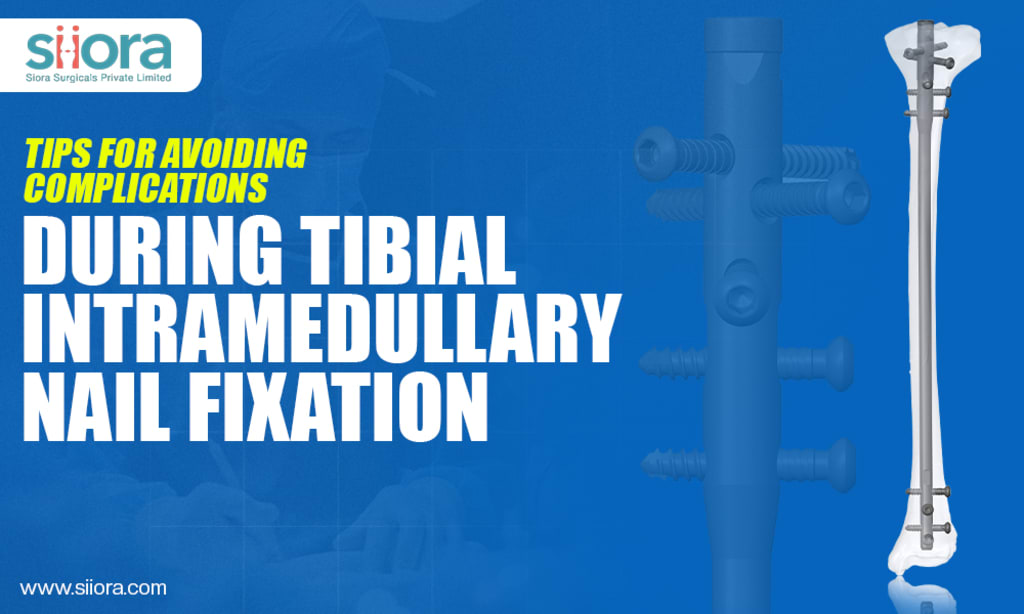
Tibial intramedullary nail fixation is one of the most common surgical techniques for stabilizing tibial shaft fractures. It offers strong mechanical support, allows early mobilization, and has high success rates. However, like any surgical procedure, it carries risks. Complications such as malalignment, infection, hardware irritation, and nonunion can occur if precautions are not taken. The good news is that many of these problems can be minimized through careful planning, precise technique, and good post-operative care. Below are practical tips that surgeons, surgical teams, and even patients can keep in mind to reduce the likelihood of complications.
How to Avoid Complications During Tibia Nail Surgery?
1. Careful Preoperative Planning
Good outcomes start before the first incision. Preoperative imaging should be thoroughly reviewed to determine the fracture pattern, level, and degree of comminution. A full-length X-ray of both tibias helps in selecting the correct nail length and diameter, reducing the risk of malalignment. Surgeons should anticipate possible challenges, such as narrow canals or proximal/distal fracture extensions, and prepare accordingly. Proper patient selection and planning often determine whether the surgery will be smooth or complicated.
2. Correct Entry Point Selection
The entry point is one of the most critical steps in tibial nailing. A misplaced entry point can lead to angular deformity, anterior knee pain, or even iatrogenic fracture. For most cases, the entry is just medial to the lateral tibial spine and aligned with the medullary canal. Fluoroscopic confirmation is essential. Taking time to get the entry point right can save the patient from long-term complications such as malunion.
3. Gentle Reaming Technique
When reaming the canal, aggressive or rapid reaming can cause heat necrosis, increase intramedullary pressure, and damage surrounding soft tissues. To avoid this, reaming should be gradual, with sharp reamers and adequate irrigation. Surgeons should advance in small increments and listen for resistance that may indicate narrowing. Controlled reaming not only reduces complications but also helps achieve a snug fit for the nail, improving stability.
4. Nail Length and Diameter Selection
Using the wrong nail size is a common cause of hardware-related issues. A nail that is too short fails to provide adequate fixation, while one that is too long can irritate the soft tissues or cause impingement. Similarly, a nail that is too thin risks instability, while an oversized one can cause cortical damage. Preoperative templating and intraoperative fluoroscopic checks ensure that the chosen nail is both appropriate and safe.
5. Maintaining Alignment During Insertion
Rotational and angular malalignment remain frequent complications in tibial nailing. Surgeons should use reduction clamps, blocking screws, or external fixators if necessary to achieve proper alignment before locking the nail. Constant fluoroscopic checks during nail advancement help confirm that the bone segments remain aligned. Correcting malalignment at this stage is far easier than dealing with its long-term consequences.
6. Proper Locking Screw Placement
Locking screws are crucial for rotational and axial stability. Errors in placement can cause soft tissue irritation, screw breakage, or instability. Using fluoroscopy for accurate targeting and ensuring screws are not excessively long helps avoid complications. In cases of distal metaphyseal fractures, multiple locking screws or angle-stable locking systems can improve fixation.
7. Infection Prevention Measures
Although the infection rate is relatively low, it can be devastating when it occurs. Strict adherence to sterile technique, perioperative antibiotics, and careful soft tissue handling are essential. In open fractures, thorough debridement before nailing significantly reduces infection risk. Postoperative wound care also plays a vital role in keeping the surgical site clean.
8. Postoperative Monitoring and Rehabilitation
The work does not end once the nail is inserted. Regular follow-up with clinical exams and radiographs ensures that healing is progressing as expected. Patients should be guided on weight-bearing status according to fracture stability and healing progress. Early detection of delayed union, implant failure, or infection allows timely intervention and prevents complications from worsening.
Conclusion
Tibial intramedullary nail fixation is a reliable and widely accepted method for treating tibial fractures, but its success depends on attention to detail at every stage. Careful planning, precise surgical execution, and diligent postoperative care can greatly reduce complications. By respecting these principles, surgeons not only achieve better outcomes but also help patients return to function faster and with fewer long-term problems.
Learn more about the advancements in the healthcare industry and explore cutting-edge products at the Medica Germany 2025.
About the Creator
Siora Surgicals
With over 3 decades of experience and a global presence in 50+ countries, Siora Surgicals Pvt. Ltd. is proud to be counted among the leading orthopedic device manufacturing companies.
Keep reading
More stories from Siora Surgicals and writers in Writers and other communities.
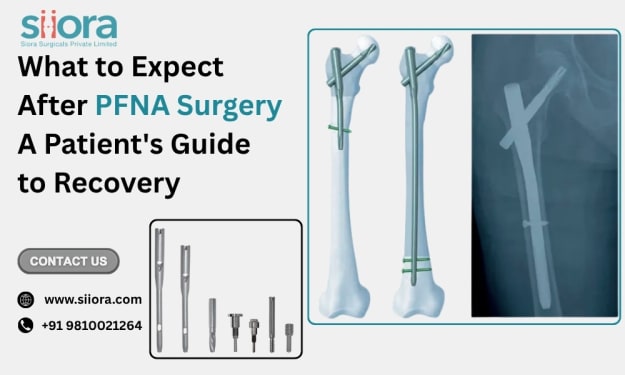
What to Expect After PFNA Surgery: A Patient's Guide to Recovery.
Going through PFNA (Proximal Femoral Nail Antirotation) surgery can feel overwhelming, especially if you’re unfamiliar with the recovery journey ahead. Whether you're a patient or caring for a loved one, understanding what comes after surgery is just as important as the procedure itself. This guide offers a human-centered look into the recovery process, what you might feel, what challenges may arise, and how to regain strength gradually and confidently.
By Siora Surgicals 8 months ago in Writers
Memories Return Again and Again, Unfolding Like Fragrances from Tales Long Lived
On the morning the old house was to be sold, Elias found a cedar box tucked beneath the attic window. Dust hovered in the pale light like unsettled thoughts. The house had stood empty for three years, ever since his mother’s passing, and yet it still carried her presence, faint but insistent. He had come only to sort through the last of her things. Sign the papers. Lock the door.
By Lori A. A.7 days ago in Writers



Comments
There are no comments for this story
Be the first to respond and start the conversation.