
What to Expect After PFNA Surgery: A Patient's Guide to Recovery.
Going through PFNA (Proximal Femoral Nail Antirotation) surgery can feel overwhelming, especially if you’re unfamiliar with the recovery journey ahead.

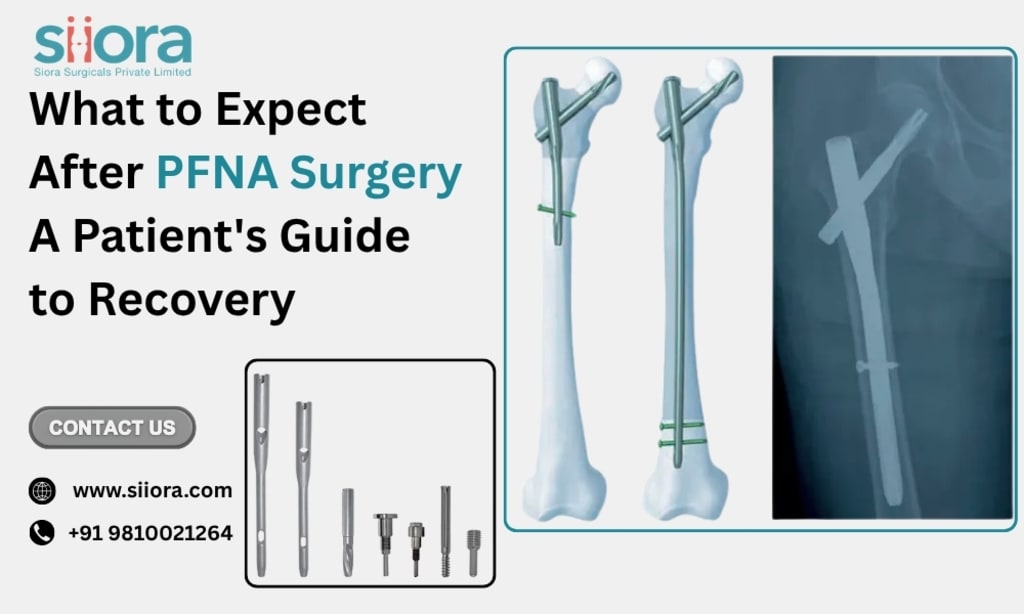
Going through PFNA (Proximal Femoral Nail Antirotation) surgery can feel overwhelming, especially if you’re unfamiliar with the recovery journey ahead. Whether you're a patient or caring for a loved one, understanding what comes after surgery is just as important as the procedure itself. This guide offers a human-centered look into the recovery process, what you might feel, what challenges may arise, and how to regain strength gradually and confidently.
The First Few Days: Hospital Stay and Monitoring
Immediately after PFNA Nail surgery, you will likely remain in the hospital for a few days. The goal during this period is to manage pain, monitor the surgical site, and prevent complications such as infections or blood clots. Nurses and physiotherapists will help you begin gentle leg movements, and in many cases, assisted walking begins within 24 to 48 hours after surgery.
Pain is a natural part of recovery, but it's manageable. Doctors typically prescribe medications and may also use cold therapy or elevation techniques to reduce swelling. You may also have a drain near the incision to remove excess fluid, which is usually taken out within a day or two.
Week One to Week Three: Early Mobilization and Home Care
Once discharged, your home environment should be prepared for limited mobility. Remove tripping hazards, ensure good lighting, and consider handrails in bathrooms and staircases. You may be using a walker or crutches for support, and the key focus will be on regaining balance and mobility.
Physical therapy becomes a daily part of life, with small, consistent exercises to improve hip and leg strength. It’s essential to follow your therapist’s instructions and avoid pushing yourself too hard. Rest is equally important as movement; your body needs time to heal internally.
Sleep may be difficult during this phase. It's common to feel discomfort while lying on your back or side. Using extra pillows for support can help, and it’s okay to speak with your doctor if sleep disturbances persist.
One Month Onward: Building Strength and Confidence
By the fourth to sixth week, most patients begin to notice real improvements. The swelling reduces, pain subsides significantly, and you may graduate from a walker to a cane. Your physiotherapy sessions will include more standing and walking exercises, and your leg muscles will slowly regain strength.
You’ll also be encouraged to increase your daily activities, climbing stairs with assistance, walking short distances outdoors, and even light household chores. However, it's important not to lift heavy objects or engage in high-impact movements. Healing bones and soft tissues are still vulnerable at this stage.
It’s completely normal to experience emotional ups and downs during recovery. Frustration, impatience, or even a sense of helplessness may arise. Don’t hesitate to reach out to your care team or support network if you're feeling overwhelmed.
Long-Term Recovery: Months 3 to 6
By the third month, many patients feel almost back to normal, although the final stages of bone healing continue quietly beneath the surface. At this point, you might return to more routine tasks and perhaps even low-impact exercise like swimming or stationary biking.
It’s crucial to keep attending follow-up appointments. X-rays will show how well the bone is healing and if the PFNA orthopaedic implant is holding position. Some stiffness or slight discomfort might linger, especially during weather changes or after long periods of standing.
Final Thoughts: Recovery Is a Journey, Not a Race
PFNA surgery recovery is deeply personal. No two people heal in exactly the same way or within the same timeline. The most important thing to remember is to be kind to yourself throughout this process.
Follow your physiotherapist’s and doctor’s advice closely, eat a balanced diet rich in calcium and protein, and keep your mind active and positive. With time, support, and effort, most patients regain full mobility and return to their daily lives stronger than before.
About the Creator
Siora Surgicals
With over 3 decades of experience and a global presence in 50+ countries, Siora Surgicals Pvt. Ltd. is proud to be counted among the leading orthopedic device manufacturing companies.
Keep reading
More stories from Siora Surgicals and writers in Writers and other communities.
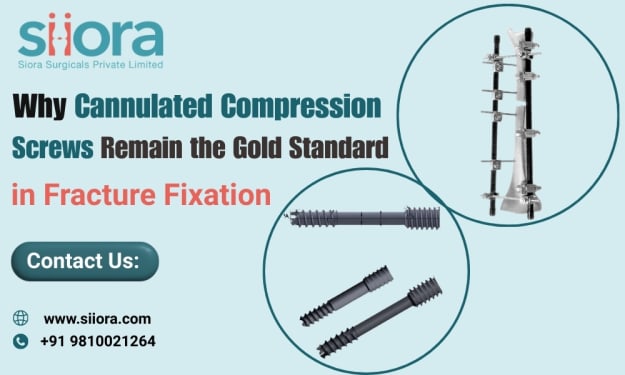
Why Cannulated Compression Screws Remain the Gold Standard in Fracture Fixation?
In orthopedics, tools come and go. What works today might be replaced by something leaner, faster, or more high-tech tomorrow. But some tools stand the test of time. Cannulated screws are one of those rare exceptions. They’ve been a mainstay in fracture fixation for decades, and despite the emergence of newer fixation devices, they’re still the go-to in many surgical kits. Why? Because they work. Reliably, efficiently, and with a level of precision that’s tough to beat.
By Siora Surgicals 8 months ago in Writers
Where Dreams Loved Me Back
chapter 1 Chapter One: The Quiet I Learned to Carry Matthew’s perspective, I don’t remember when life started feeling heavy. It wasn’t sudden — it was gradual, like carrying a bag that someone kept adding weight to until one day I realized I couldn’t put it down anymore.
By Anshu Giri3 days ago in Writers



Comments
There are no comments for this story
Be the first to respond and start the conversation.